Grow resilient grains right in your backyard with a diverse selection of heirloom and organic seed options. This guide highlights five seed collections and single-variety packs designed for home gardeners, small farms, and sustainable plots. From ancient einkorn to versatile wheat and buckwheat, these seeds offer open-pollinated genetics, organic certification, and strong germination viability. Whether you’re planning cover crops, fresh flour, or nutritious greens, these selections provide options for multiple growing seasons and culinary uses. Explore each product’s features below to find seeds that align with your planting goals and climate.
| Product | Brand | Type | Highlights |
|---|---|---|---|
| All Good Things Organic Great Grains Seeds for Planting (4 Packet Collection) | All Good Things Organic Seeds | Seed Collection | Barley, Oat, Rye, Wheat; organic; open-pollinated; germination tested |
| All Good Things Organic Hard Red Spring Wheat Seeds | All Good Things Organic Seeds | Single Seed | High protein; dual-use; organic; non-GMO; open-pollinated |
| Unhulled Organic Einkorn Grain Seeds – Ancient Heirloom Wheat | Mountain Valley Seed Company | Single Seed | Ancient einkorn; unhulled; organic; heirloom |
| Buckwheat Seed for Planting | SURVIVAL GARDEN SEEDS | Single Seed | Cover crop; gluten-free; attractive to beneficial insects |
| Wheatland Heirloom Grain Sorghum/Milo – 100 Seeds | Thresh Seed Co. | Single Seed | Open-pollinated; versatile grain; non-GMO |
All Good Things Organic Great Grains Seeds for Planting

The Great Grains Seed Collection offers four varieties—Oat, Wheat, Barley, and Rye—in individual packets designed for staggered harvests. Use as cover crops to enrich soil or harvest for cereals and flour. The seeds are certified organic, non-GMO, heirloom, untreated, and open-pollinated, with germination testing to ensure viability. This collection provides a flexible planting plan across the growing season, supporting both kitchen-use and soil health goals.
All Good Things Organic Hard Red Spring Wheat Seeds

Hard Red Spring Wheat Seeds are a versatile, high-protein grain suitable for grinding and dough blending. This annual variety can function as a cool-season cover crop or food crop, depending on your garden plan. Typical cycles span 90-120 days from seed to seed, with each packet containing a minimum of 200 seeds. The brand emphasizes organic, non-GMO, heirloom, untreated, and open-pollinated genetics, with viability-tested germination to support reliable growth and harvest outcomes.
Organic Wheatgrass Seed by PowerGrow (5 Pound)
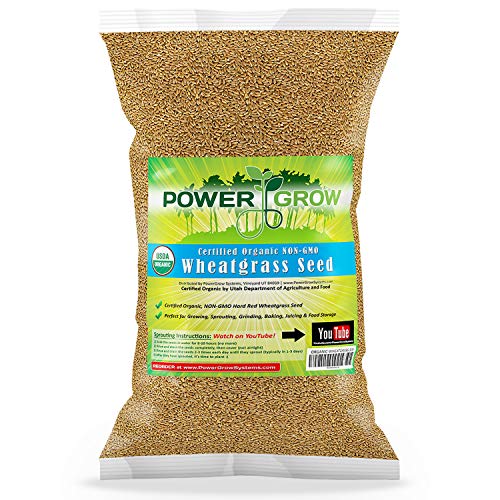
PowerGrow Systems provides a bulk bag of organic wheatgrass seed, a popular option for home juicers and microgreens enthusiasts. Grown in the USA, these certified organic seeds offer a straightforward path to producing fresh wheatgrass for daily beverages or sprouting. The package supports larger plantings and consistent germination, making it suitable for those who want a steady supply of nutritious greens while expanding their grain-growing repertoire.
Unhulled Organic Einkorn Grain Seeds – 1 lb

Unhulled Einkorn is one of the oldest cultivated wheats, celebrated for its history and nutrient profile. These unhulled seeds arrive organic and non-GMO, offering a true heirloom option for planting. The hull remains attached, which can influence germination practice and harvest timing. Suitable for gardens, homesteads, or small-scale grain production, einkorn provides a historical grain option with modern organic assurances.
Buckwheat Seed for Planting – 1 Packet

Buckwheat is valued as a fast-growing cover crop that improves soil health, suppresses weeds, and attracts beneficial insects. Gluten-free and nutrient-dense, buckwheat can be incorporated into gardens for soil-building during off-seasons or harvested as a lightweight grain. The seed is non-GMO and marketed as an easy-to-grow option for improving biodiversity in the garden ecosystem.
Wheatland Heirloom Grain Sorghum/Milo – 100 Seeds

Sorghum (milo) is a versatile, open-pollinated grain suitable for gluten-free flour production and livestock feed. This rare heirloom selection reflects historical agrarian practices and offers a 110-day harvest window with 100 seeds per packet. Ideal for growers seeking a traditional grain with diverse use cases, sorghum can adapt to warm climates and extended growing seasons.
Buying Guide: Key Considerations For Grain Seed Purchases
Choosing the right grain seeds depends on climate, soil type, and intended use. Consider the following perspectives to guide your selection:
- Seed type and use: Decide whether you want cover crops, fresh grain, flour, or sprouts. Some varieties, like einkorn and sorghum, suit specific culinary goals, while buckwheat and wheat can serve dual roles as cover crops and harvestable grain.
- Growing season and climate: Cool-season wheats and barley perform well in temperate regions, while buckwheat and sorghum thrive in warmer conditions. Plan staggered planting to maximize harvest opportunities.
- Germination and viability: Look for seeds that are germination-tested or listed as certified organic, non-GMO, and open-pollinated to ensure robust germination rates and genetic diversity.
- Seed forms and handling: Unhulled grains require different processing and planting techniques than hulled seeds. Consider your equipment and soil preparation when selecting einkorn or other hull-type varieties.
- Soil health benefits: Some seeds, such as buckwheat, serve as cover crops that suppress weeds, improve soil structure, and attract beneficial insects—valuable aspects for a sustainable garden plan.
- Culinary versatility: If flour or cereal is a goal, prioritize perennial or annual grains with reliable harvests and established processing compatibility with home mills or mills.
- Harvest timing and storage: Anticipate the time from seed to harvest and ensure you have proper storage for grain, especially if your climate has variable harvest windows.
In short, align seed choices with your garden’s climate, soil health objectives, and intended end use. By selecting a mix of heirloom and organic grains, you can foster biodiversity, support sustainable farming practices, and harvest grain for food or soil improvement across multiple seasons.