From small raised beds to lawn borders, a hand held garden tiller can transform hard-packed soil into a workable, aerated bed. This guide focuses on compact, manual and cordless options designed for one-handed control, tight spaces, and reduced strain. We compare five top picks that balance durability, ease of use, and performance. Each product below is tied to real Amazon listings to help you compare specs, ergonomics, and battery life at a glance.
Summary of chosen products
| Product | Brand | Key Benefit | Power Type |
|---|---|---|---|
| BARAYSTUS Rotary Cultivator | BARAYSTUS | Adjustable handle, interchangeable blade wheels | Manual |
| Jardineer Hand Tiller Cultivator | Jardineer | Anti-slip foot plate, rugged steel tines | Manual |
| Alloyman 20V Cordless Tiller | Alloyman | Cordless convenience, 360 RPM | Cordless electric |
| 20V Cordless Tiller Cultivator (Tegatok) | Tegatok | Lightweight, two batteries included | Cordless electric |
| 24V Cordless Tiller Cultivator (Quini) | Quini | Wireless design, compact, safe operation | Cordless electric |
BARAYSTUS Rotary Cultivator Garden Tiller

This hand tiller features a lightweight, adjustable stainless steel handle with aluminum tines and wheels. It is designed for soil aeration, mixing, and reseeding lawns. A durable construction uses anti-rust aluminum for the head and reliable stainless steel poles, aiming for long-term use in varied garden conditions. The grip is soft and anti-slip, and there are three interchangeable blade wheels to broaden tilling and weed-removal options.
Jardineer Hand Tiller Cultivator
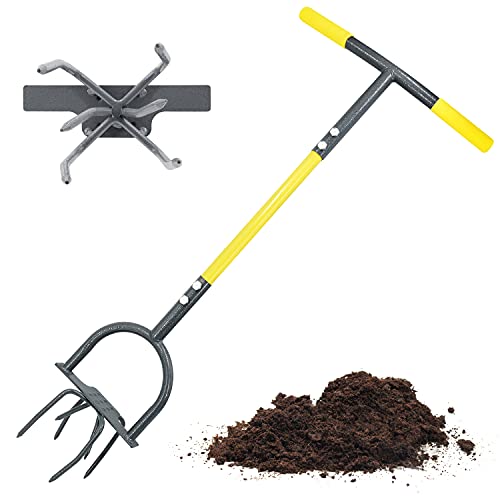
This manual tiller emphasizes an anti-slip foot plate to maximize downward force for soil penetration. The curved handle and long design reduce twisting and back strain, making it suitable for seniors or gardeners with joint concerns. Razor-sharp tines deliver aggressive soil penetration, and the powder-coated steel ensures lasting strength. It is designed to till, aerate, and loosen soil to promote water, air, and fertilizer movement for healthier plants.
Alloyman 20V Cordless Tiller Cultivator

This cordless tiller provides mobility without a nearby outlet. It uses four steel tines and reaches up to 360 RPM, cultivating areas up to 9 inches wide and 6.6 inches deep. The design prioritizes a lightweight, ergonomic feel with an adjustable auxiliary handle to reduce fatigue and enhance control, making it suitable for small to mid-sized garden tasks.
20V Cordless Tiller Cultivator (Tegatok)

This lightweight, handheld cordless tiller includes two batteries for extended operation. Its design supports easy control for gardeners of all ages, with a compact footprint that helps with maneuvering in tight spaces. The tool aims to deliver efficient soil loosening in border edges, seedling beds, and small garden plots with minimal effort.
Quini 24V Cordless Tiller Cultivator

The Quini model features a wireless, detachable design with a dual-battery setup. It weighs about 2.65 pounds and includes an extension rod for added reach, along with a handle to reduce bending and strain. Its 65Mn steel blades deliver solid performance for small beds and garden corners, helping loosen compacted soil and manage weeds in tight spaces.
NEWTRY Cordless Electric Tiller Handheld

NEWTRY offers a dual-mode system with a handheld and extended-rod option. The 3.6–5.5-pound range supports both raised beds and standing use. Two 1500mAh batteries provide about an hour of continuous runtime per charge, with a two-hour fast charge. The tiller is designed for precision soil loosening in small gardens and flower beds, enabling efficient preparation with minimal effort.
BARAYSTUS Garden Hand Tiller Claw

This hand claw cultivator emphasizes a wider and longer curve of tines for deeper, broader soil engagement. Sharp curve tines simplify insertion and turning, enabling faster work. A sturdy structure uses screws to join the handle to the head, ensuring reliability and easy disassembly for storage or transport.
Garden Weasel Double-Sided Cultivator

This traditional hand cultivator features a sturdy three-pronged design for raking, aerating, cultivating, and tilling. It is aimed at providing a reliable, high-performance option for gardeners who prefer a proven, durable hand tool with strong tolerance for regular use in soil preparation and weed management.
Buying Guide: Key Purchase Considerations
- Power source and mobility: Cordless electric tillers offer freedom of movement, especially in larger or remote gardens. Manual hand tillers excel in tight spaces and budget-friendly setups, but require more exertion.
- Soil and space compatibility: For dense, hard-packed soil, look for stronger tines or a rotating blade system. For small beds and raised planters, a narrower width and lighter weight enhance maneuverability.
- Ergonomics and weight: A comfortable grip, anti-slip handles, and adjustable aiming points reduce fatigue. Consider extendable handles or adjustable wheels if you need standing operation for back health.
- Durability and materials: Stainless steel, powder-coated steel, and anti-rust aluminum contribute to longer tool life in outdoor conditions. Check for secure joints and reliable blade attachment.
- Maintenance and replacement parts: Interchangeable blades or wheels expand functionality. Availability of replacement tines or batteries is a practical factor for ongoing use.
- Safety features: Look for safety switches, blade guards, and secure trigger mechanisms to prevent accidental starts, particularly in cordless models.
- Included accessories: Batteries, chargers, extension rods, and carrying bags add value. Verify compatibility with existing battery systems if you own similar tools.
- Budget and use-case fit: For lightweight tasks like seedbed preparation or weed control in small beds, a lower-cost manual tool may suffice. For frequent or larger projects, cordless models with better RPM and depth may justify the investment.
In choosing the right hand held garden tiller, consider where you garden, how often you till, and how much weight you can comfortably lift. Cordless options provide convenience for unrestricted movement, while manual hand tillers offer reliable durability at lower upfront costs. A combination of blade or tine design, ergonomics, and maintenance options will influence long-term satisfaction and garden outcomes.