Growing Gala apples in a home orchard is a rewarding way to enjoy fresh fruit from your own space. The following selections emphasize compact or semi-dwarf sizes, disease resistance, and climate adaptability—making them suitable for American yards, patios, and beginner gardeners. Each option originates from trusted sellers and features easy-to-follow care guidelines to help you choose the right tree for your climate and space.
| Product | Size / Pot | Key Benefit |
|---|---|---|
| TriStar Plants Gala Apple Tree (1 Gallon) | 1 gallon | Healthy established roots; easy care |
| DAS Farms Gala Apple Tree (3 Feet Tall) | 3 ft tall | Live plant, ready for early fruiting |
| Gala Apple Tree Premier Size (7 gal) | 7 gal nursery pot | Faster fruiting; larger deliverable size |
| American Plant Exchange Gala Apple Tree (2-3′ Tall) | 1 gallon | Compact, fruit-bearing; decorative and productive |
| American Plant Exchange Apple Tree Semi Dwarf Pink Lady (5-Gallon) | 5 gal | Cold-hardy, high-yield; edible landscape |
TriStar Gala Apple Tree

The TriStar Gala Apple Tree from TriStar Plants Store features a 1-gallon container with 4-5-foot tree height and healthy established roots. It is described as a semi-dwarf option designed for easy care and orchard-style fruit production. Potential buyers can expect a compact frame suitable for smaller yards, balconies, or starter orchards. The product highlights include easy maintenance and a size that fits in typical home garden spaces. Availability may be subject to shipping restrictions for certain states.
DAS Farms Gala Apple Tree

The Gala Apple Tree from DAS Farms is listed as a live plant shipped at roughly 3 feet tall. It is recommended for in-ground planting rather than container relocation and notes that deciduous plants may arrive without leaves in winter. The description calls out zone compatibility (4–8) with full sun and the need for cross-pollination, which means planting a compatible apple variety nearby for fruit set. California orders may be shipped bare-root due to regulations. Consider pollination needs and climate when selecting this option.
Gala Apple Tree Premier Size
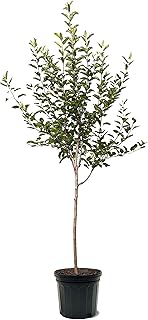
This Premier Size Gala Apple Tree is delivered in a 7-gallon nursery pot and is marketed as a larger-deliverable size with fruits two years faster. However, it also carries agricultural restrictions that prohibit shipping to certain states (CA, AZ, AK, HI). Buyers should be aware of regulatory limitations when planning where to plant and how quickly fruiting may occur. This option is suitable for larger spaces and patient growers who want a more substantial tree sooner.
American Plant Exchange Gala Apple Tree

The American Plant Exchange Live Gala Apple Tree comes in a 2-3′ tall, 1-gallon pot and emphasizes ornamental appeal alongside fruit production. The description highlights seasonal changes—from pink blossoms in spring to lush foliage in summer—and notes that the plant is low maintenance with broad climate tolerance (USDA zones 4-9). The compact size makes it a good fit for smaller yards and container gardening, while still offering a harvestable crop in suitable climates.
American Plant Exchange Apple Tree Semi Dwarf Pink Lady

The Semi Dwarf Pink Lady Apple Tree from American Plant Exchange is listed as a 5-gallon plant with a compact semi-dwarf size that reaches 12-15 feet when mature. It is described as cold-hardy and heat-tolerant, thriving in zones 5-9 with full sun and well-drained soil. This option is ideal for edible landscapes and home orchards where space efficiency and climate resilience are important considerations. The Pink Lady variety is noted for crisp texture and a tart-sweet flavor, suitable for fresh eating, baking, and cider.
Buying Guide: Key Purchase Considerations
When selecting a Gala apple tree for a home garden, consider space, climate, and long-term care needs. Semi-dwarf and dwarf varieties offer easier pruning, harvesting, and container-friendly options, while standard sizes provide higher yields in larger plots. Cross-pollination requirements mean planning for a compatible pollinator nearby, unless a self-pollinating Gala variant is specified. USDA hardiness zones determine suitability for winter survival and fruiting success.
Size and root system are critical. A 1-gallon or 2-3′ plant is ideal for balconies or small yards, but you may need a larger pot or garden bed for rapid growth and more fruit. Be mindful of agricultural or state-specific shipping restrictions that could affect delivery and planting timelines. If soil quality or drainage is a concern, consider raised beds or container setups with high-quality potting mix.
Plant health and resilience should guide choice. Look for reputable sellers that provide robust root systems and pest/disease resistance where possible. Apple trees benefit from full sun (at least 6-8 hours daily) and well-drained soil. Regular watering, especially in establishment, along with appropriate pruning, helps establish strong scaffolds for future fruiting. Consider your local pollination partners and climate when selecting a variety and size.
Maintenance approaches vary by size and variety. Dwarf and semi-dwarf trees typically require training and pruning to maintain desired shape and to promote fruiting. Large trees may need more extensive pruning, structural supports, and spacing considerations to prevent disease and overcrowding. Compare the expected yield, space requirements, and maintenance level to determine the best fit for your garden plan.
In addition to aesthetic and culinary value, evaluate the seller’s notes on shipping, rootstock, and planting timing. Some listings specify restrictions for certain states and may advise bare-root shipment or particular planting windows. Align these practical details with your local climate and gardening schedule to maximize success.