Healthy, disease-free plants start with the right preventive care. The following fungicide sprays are commonly trusted for home gardens and indoor plants, offering options from copper-based controls to natural botanical formulas. Each product below includes a brief overview of its key features, ideal use cases, and how it fits into integrated pest and disease management. This guide helps you compare organic-approved options with conventional formulations to meet your gardening needs.
| Product | Brand | What It Targets |
|---|---|---|
| Captain Jack’s Copper Fungicide | Bonide | Powdery mildew, blight, leaf curl, black spot, and other listed diseases |
| Grower’s Ally Fungicide Spray | Grower’s Ally | Powdery mildew and other common plant pathogens |
| Plant Disease Control Spray (Thyme Oil) | FortaGrow | Powdery mildew, botrytis, anthracnose, and more |
| Neudorff Copper Fungicide | Neudorff | Powdery mildew, rusts, black spot, leaf and fruit spot |
| Fung-onil Multi-Purpose Fungicide | Bonide | Leaf spot, rust, blight, mildew, scab mold and other listed diseases |
Bonide Captain Jack’s Copper Fungicide — Ready-to-Use

Bonide Captain Jack’s Copper Fungicide is a ready-to-use liquid copper product designed for organic gardening. It offers broad-spectrum protection against common diseases such as blight, black spot, and powdery mildew, and it’s listed as suitable for use up to harvest. The copper-based formula helps prevent fungal infections on vegetables, ornamentals, and fruits, providing a versatile option for season-long disease management. When applying, follow labeled directions to avoid copper buildup on sensitive plants and to ensure safe harvest intervals.
Grower’s Ally Fungicide Spray for Plants — Ready-to-Use

Grower’s Ally Fungicide Spray is a ready-to-use plant treatment designed to kill and prevent common pathogens, including powdery mildew. The formula emphasizes organic compatibility, being FIFRA 25(b) exempt and OMRI Listed, with a focus on plant safety and reduced environmental impact. It uses a natural, food-grade citric-acid base to form a protective barrier on leaf surfaces, helping slow pathogen development while remaining gentle on plant tissue. This makes it suitable for edible crops and home gardens where chemical exposure is a concern.
FortaGrow Plant Disease Control Spray with Thyme Oil

FortaGrow Plant Disease Control Spray uses thyme oil as its active ingredient, delivering a natural, botanical approach to disease prevention. It targets powdery mildew, botrytis, and other common foliar diseases with a contact action that helps stop spread on treated foliage. The product is marketed as safe for indoor and outdoor use, including homes with children and pets when used as directed. While it provides a natural alternative, effectiveness can vary depending on disease pressure and environmental conditions, so it can work best as a preventative measure or early-stage intervention.
Neudorff Copper Fungicide Spray

Neudorff Copper Fungicide is a liquid copper-based fungicide designed for organic gardening. It targets listed diseases such as powdery mildew, rusts, black spot, and leaf and fruit spot across a range of crops, including roses, vegetables, and fruit trees. This product emphasizes early and ongoing disease protection with a harvest-friendly window. It is suitable for both outdoor and some indoor applications, depending on the crop and label directions. Copper fungicides require careful application to avoid phytotoxicity on sensitive plants.
Bonide Fung-onil Multi-Purpose Fungicide

Bonide Fung-onil is a ready-to-use fungicide that includes chlorothalonil as the active ingredient. It provides broad-spectrum protection against listed diseases such as blight, mildew, leaf spot, rust, and other fungal infections. This product is designed to be convenient for home gardeners who want quick, reliable protection with minimal mixing. It’s important to follow label directions for safe use on edible crops and to understand any harvest interval requirements associated with chlorothalonil products.
Trifecta Crop Control — Ready to Use Fungicide
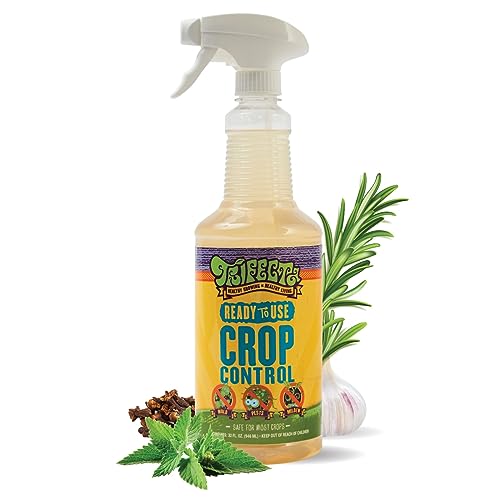
Trifecta Crop Control offers an all-natural, plant-based solution designed to combat powdery mildew and other fungal issues while addressing pests like spider mites and whiteflies. It is marketed as safe for edible crops and suitable for indoor and outdoor use, with an emphasis on environmental friendliness and residue-free results. While it provides a broad approach to plant protection, users should evaluate its performance against severe disease pressures and in combination with cultural practices for best results.
Buying Guide: Key Purchase Considerations
- Target diseases and crops: Check the label for which diseases the product controls (powdery mildew, leaf spots, blights) and confirm compatibility with your specific plants, including edibles.
- Active ingredients and safety: Copper-based formulas offer broad protection but may accumulate with repeated use; natural oils provide a gentler option but may require more frequent applications to maintain protection.
- Organic and label compliance: If you prioritize organic gardening, prefer OMRI-listed products or FIFRA 25(b) exemptions, and verify harvest intervals and usage restrictions.
- Application method and coverage: Ready-to-use sprays are convenient, while concentrates require mixing. Consider spray coverage, frequency, and compatibility with protective equipment.
- Plant safety and photosensitivity: Some fungicides can cause phytotoxicity on sensitive varieties or under certain temperatures; always perform a spot test on a small leaf area if unsure.
- Integrated pest management (IPM): Use fungicides as part of a broader IPM plan, including proper spacing, pruning for airflow, and sanitation to minimize disease pressure.
- Re-entry and harvest intervals: Review safety guidelines for re-entry after application and any suggested wait times before harvest, especially on crops destined for consumption.
- Resistance management: Rotate between product types with different modes of action to reduce the risk of pathogen resistance.
Across choices, the best option depends on your garden’s needs, whether you prefer organic-compatible products, or you require a broad-spectrum, ready-to-use solution. For edible crops and enclosed environments, consider thyme-oil or citric-acid-based sprays for preventative care, and reserve copper and synthetic options for tougher outbreaks while following label directions carefully.