Finding the right fungicide for tomato plants helps protect blossoms, fruit, and foliage from common diseases. This guide compares select products, focusing on those suitable for home gardens and organic setups. Whether you’re growing tomatoes in a sunny backyard bed or a greenhouse, these options address powdery mildew, blight, rust, and other fungal threats. The best choices are suited to different growing styles and budgets, helping you pick the right match for your tomato-care routine.
Summary of selected products (quick reference):
- Bonide Captain Jack Copper Fungicide — Organic-approved copper spray for broad disease control.
- Natria Disease & Fungus Control — Ready-to-use copper fungicide, OMRI-listed for organic gardening.
- Grower’s Ally Fungicide Spray — Citric acid-based, organic-friendly, both indoor and outdoor use.
- Earth’s Ally 3-in-1 Plant Spray — Multi-purpose pest, disease, and powdery mildew control, OMRI-listed.
- Trifecta Crop Control — Plant-based, broad-spectrum fungicide and pest control, safe for edible crops.
Bonide Captain Jack Copper Fungicide 16 oz

Best for organic gardens and daily harvest readiness. This liquid copper fungicide is approved for organic gardening and can be used up to the day of harvest in many setups. It targets a wide range of plant diseases such as blight, black spot, powdery mildew, and peach leaf curl, making it a versatile defense for tomato plants grown with organic practices.
Who it’s best for: home gardeners seeking an organic option with broad disease coverage and late-harvest flexibility. Why selected: copper-based formulations remain effective against multiple pathogens and are compatible with organic standards when labeled for harvest-time use.
Limitations: copper fungicides can accumulate on plant surfaces with repeated applications; follow label directions to prevent phytotoxicity on sensitive varieties. Not ideal for soils with copper sensitivity concerns.
NATRIA Disease & Fungus Control — 24 oz

Best for gardeners wanting a ready-to-use copper-based spray option. This product provides broad protection against powdery mildew, rust, black spot, fruit rot, downy mildew, and late blight. It’s suitable for homes, home greenhouses, and hydroponic systems, including day-of-harvest use for organic gardening.
Who it’s best for: growers seeking a ready-to-use, OMRI-listed copper fungicide with strong powdery mildew and disease coverage. Why selected: the formulation emphasizes organic gardening compatibility and convenient spray use without complex mixing.
Limitations: copper sprays may require multiple applications for ongoing protection, especially in humid climates. Check compatibility with other garden products to avoid phytotoxic effects on sensitive tomato varieties.
Grower’s Ally Fungicide Spray — 24 Oz

Best for homes and gardens seeking a natural, zero-pollutant approach. This outdoor and indoor spray uses citric acid as the active component, offering broad protection against powdery mildew and several diseases. It’s FIFRA 25(b) exempt and OMRI-listed for organic gardening, with a focus on minimizing residue.
Who it’s best for: gardeners preferring a natural, food-grade formulation with a preventative barrier against powdery mildew. Why selected: its clean, solvent-free formulation reduces concerns about chemical residues while providing disease control.
Limitations: citric acid-based products can be less effective against established infections and may require proactive application for best results. Not a sole solution for severe outbreaks.
Earth’s Ally 3-in-1 Plant Spray — 32 oz

Best for gardeners wanting an all-in-one solution for pests and disease. This product functions as an organic insecticide, fungicide, and spider mite control formula. It contains a synergistic blend of botanical oils to help control powdery mildew and several plant diseases, making it suitable for both indoor and outdoor use.
Who it’s best for: growers seeking a multi-purpose spray that also targets common pests. Why selected: its 3-in-1 formulation can simplify care routines by combining disease and pest control in a single product.
Limitations: while it treats many issues, it may require multiple applications to keep disease pressure low in highly humid environments. Check for compatibility with beneficial insects if used around pollinator-friendly crops.
Trifecta Crop Control — 32 OZ
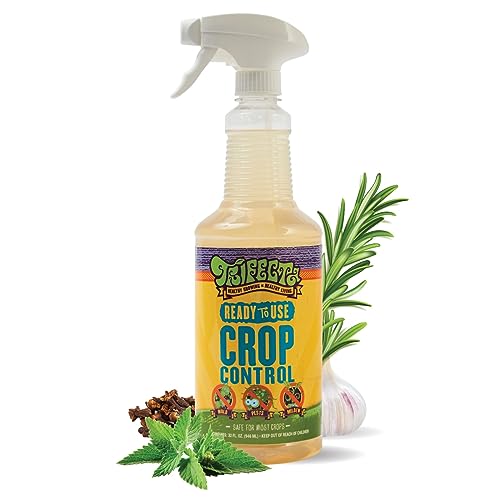
Best for organic gardening with a strong emphasis on pest and powdery mildew control. This all-natural, plant-based formula targets spider mites, powdery mildew, botrytis, and mold. It is designed for both indoor and outdoor use and is safe for edible crops when used as directed.
Who it’s best for: growers who want an all-natural option that also tackles common pests. Why selected: its broad spectrum against both pests and fungal pathogens makes it a versatile choice for tomato care in diverse settings.
Limitations: as with many natural formulas, frequency and timing of applications matter for optimal disease suppression. Avoid relying on it alone during severe outbreaks; integrate with cultural practices.
Bonide Fung-Onil Multi-Purpose Fungicide — 32 oz

Best for broad-spectrum fungal disease protection. Fung-Onil uses chlorothalonil to control leaf spot, rust, blight, mildew, and other listed diseases. This product is designed for general garden disease prevention and management, including tomato plants in many home gardens.
Who it’s best for: gardeners needing a familiar, broad-spectrum fungicide with a long track record of use against common tomato diseases. Why selected: strong coverage across multiple fungal pathogens supports consistent disease management.
Limitations: chlorothalonil-containing products may require rotation with other modes of action to reduce resistance risks and should be applied according to label directions for safe use in edible crops.
Neudorff Plant Fungicide Spray — 32 oz

Best for copper-based organic control across roses, fruits, and vegetables. This ready-to-use copper soap fungicide helps manage powdery mildew, rust, black spot, and other listed diseases. It is suitable for organic gardening and can be used up to the day of harvest on compatible crops.
Who it’s best for: gardeners who prefer copper-based, ready-to-use formulations for broad disease coverage in organic setups. Why selected: copper soaps can provide effective protection with a gentle profile, appropriate for tomatoes when used as directed.
Limitations: copper can accumulate with repeated use; monitor copper buildup in stressed plants and rotate products when disease pressure remains high.
Bonide Sulfur Plant Fungicide — 1 lb

Best for rust, leaf spot, and powdery mildew prevention. Sulfur fungicides can be applied to fruits, vegetables, and ornamentals to prevent disease. It also functions as a pesticide in some uses, which may broaden its utility in mixed pest management plans.
Who it’s best for: gardeners seeking a robust, traditional approach to powdery mildew and other common tomato diseases. Why selected: sulfur remains a practical, inexpensive option for ongoing disease prevention in diverse garden settings.
Limitations: sulfur can cause foliar burn in hot, sunny weather or with sensitive varieties; test on a small area first and avoid consecutive high-heat applications.
Buying Guide: How to Choose The Right Tomato Fungicide
What should you consider before buying a fungicide for tomato plants? Start with disease pressure, growth stage, and whether you’re growing in soil beds, containers, or a greenhouse. Organic gardeners will prioritize OMRI-listed or organic-certified products, while those not strictly organic may choose broader-spectrum synthetic options for quick suppression.
Active ingredients and mode of action
Copper-based fungicides offer broad protection against several fungal diseases and are commonly used in organic settings. Synthetic options like chlorothalonil provide strong, fast-acting control but may require rotation. Plant-based or mineral options (citrus acids, essential oil blends, or sulfur) tend to support preventive care and lower residue concerns.
Living with harvest timing
Some products allow day-of-harvest use, which is important for tomatoes nearing maturity. If you’re growing for fresh use, verify any restrictions on harvest timing listed on the label. Organic setups often require adherence to OMRI guidelines and specific withdrawal windows.
Formulation and application
Ready-to-use sprays simplify mixing and measuring, ideal for beginners or busy gardeners. Concentrates require dilution and precise preparation, offering cost savings per use but needing more attention to safety and measurement. For indoor or greenhouse use, select formulations designed for contained environments and minimal drift.
Safety and suitability for edibles
Choose products labeled safe for edible crops when used as directed. Some formulations are explicitly approved for organic gardening and are designed to minimize residues on fruit-bearing plants. Always follow label directions to protect pollinators, beneficial insects, and yourself.
FAQ: Fast Answers For Tomato Fungicide Buyers
What is the best fungicide for tomato plants in an organic garden?
Copper-based fungicides such as Captain Jack Copper Fungicide or Natria’s Ready-to-Use Copper Fungicide are common organic choices with broad disease coverage. They’re widely used in organic fruit production when labeled for harvest-time use.
Can I use multiple fungicides together on tomatoes?
Rotation and prudent use are recommended. Avoid mixing different fungicides without guidance, as some combinations may reduce effectiveness or cause plant stress. Follow label instructions for tank mixing if applicable.
How often should I apply fungicides to prevent powdery mildew on tomatoes?
Frequency depends on weather, disease pressure, and the product’s label. Preventive applications during high humidity or wet conditions are common. Do not exceed recommended intervals on the label.
Are natural fungicides as effective as synthetic ones on tomatoes?
Natural or plant-based fungicides can provide strong prevention and control, particularly for powdery mildew and minor infections. For severe outbreaks, combining cultural practices with a proven fungicide may be more effective.
Is a sulfur-based fungicide safe for tomatoes?
Sulfur products can prevent rust and mildew but may cause foliar burn in hot weather or with sensitive varieties. Apply during cooler times of the day and test on a small section first.
Should I rotate fungicides to prevent resistance?
Yes. Rotate active ingredients and use integrated disease management practices—air circulation, proper watering, and sanitation—to reduce the risk of resistance and disease rebound.