Powdery mildew can compromise rose blooms, foliage, and overall vigor. This guide highlights five effective fungicides from reputable brands, focusing on powdery mildew control on roses and other garden plants. Each product section includes quick highlights, application notes, and how it fits organic or conventional gardening practices. Use this overview to compare coverage, safety, and suitability for your rose care routine.
| Product | Best For | Organic Friendly | Application Type |
|---|---|---|---|
| Neudorff Plant Fungicide Spray | Roses, fruits, vegetables | Yes | Ready-to-use |
| Earth’s Ally Disease Control | Powdery mildew, blight | Yes | Concentrate |
| Nature’s IQ Copper Fungicide | Roses and ornamentals | Yes (copper-based) | Ready-to-use |
| Organic Fungicide for Rose & Flower (ARBER) | Powdery mildew, black spot | Yes | Ready-to-use |
| Monterey Neem Oil Fungicide | Powdery mildew, rust, pests | Yes | Ready-to-use |
Choosing the right product depends on your garden’s needs, whether you prefer organic ingredients, and how you apply treatments to protect pollinators while keeping roses healthy. The following product-by-product sections summarize each option, with emphasis on disease targets, usage notes, and key considerations for roses.
Neudorff Copper Fungicide For Roses And More

Neudorff Copper Fungicide is formulated to control powdery mildew along with other listed diseases including rusts and leaf spots. It is designed for use on roses, vegetables, fruits, and ornamentals and is suitable for organic gardening. The copper-based approach leverages low copper concentrations to protect buds and flowers, including roses, while reducing disease pressure during both early and late growing stages. This ready-to-use spray provides a convenient option for quick applications on established rose bushes and nearby plantings.
Key considerations: copper fungicides can be effective where rust and powdery mildew are persistent, but repeated applications may raise leaf copper levels over time. It is compatible with many garden routines, though careful rotation with non-copper products is advised to minimize resistance risk. The product is designed for both indoor and outdoor plant care, making it versatile for greenhouse roses as well as outdoor beds.
Earth’s Ally Disease Control Concentrate

Earth’s Ally is a natural fungicide concentrate designed to tackle powdery mildew, blight, black spot, and other fungal diseases. Its citrus-acid base positions it as a safer option for households with pets and children, while offering effective disease suppression when applied as part of a regular spray schedule. The product is positioned as a comprehensive protection across fruits, vegetables, flowers, and ornamentals, including roses.
Key considerations: Earth’s Ally emphasizes a safer, non-harsh chemical profile, making it appealing for organic gardening. Since it is a concentrate, it requires proper dilution and coverage for thorough protection. Users should follow label directions to achieve consistent disease control, especially in humid environments where powdery mildew thrives.
Nature’s IQ Copper Fungicide

Nature’s IQ Copper Fungicide features innovative spray mist technology for even coverage, addressing powdery mildew, black spot, and rust on roses and other ornamentals. As a copper-based product, it is suitable for organic and conventional gardening contexts where copper is permitted. The ready-to-use format simplifies application on roses and other flowering plants, helping to protect buds and foliage during peak disease pressure seasons.
Key considerations: copper fungicides may accumulate with repeated use, so rotate with non-copper products to reduce resistance risk and copper buildup. This option is well-suited for gardeners who want straightforward, effective coverage with minimal mixing steps, especially when treating large rose beds or containers.
Organic Fungicide For Rose & Flower – ARBER

ARBER Organic Fungicide for Rose & Flower uses Bacillus amyloliquefaciens strain F727, a beneficial bacteria that forms a protective barrier against powdery mildew, black spot, and blight. The formula is designed for organic gardening and claims safety for use around children, pets, and pollinators when applied as directed. The 16-ounce ready-to-spray bottle offers a convenient option for rose beds, bouquets, and ornamental plantings.
Key considerations: Bacillus-based products rely on live organisms, so storage conditions and shelf life matter for efficacy. They often require thorough coverage and consistent reapplication to sustain disease prevention, especially in humid climates where powdery mildew spreads rapidly. This option appeals to gardeners seeking a natural, biologically based approach.
Bonide Sulfur Plant Fungicide

Bonide Sulfur Plant Fungicide offers a micronized sulfur treatment for rust, leaf spots, powdery mildew, and related diseases. The ready-to-use format provides straightforward application across fruits, vegetables, and ornamentals, including roses. Sulfur fungicides have a long track record and are widely used in garden care, particularly for organic programs that permit sulfur as a plant protectant.
Key considerations: sulfur can be phytotoxic to some plants under certain conditions (e.g., heat, direct sun) and may affect bloom development if misapplied. It’s important to follow label directions and avoid applying during high temperatures or when foliage is stressed. Rotate with non-sulfur fungicides to minimize resistance and avoid over-application on sensitive roses.
Trifecta Crop Control Fungicide
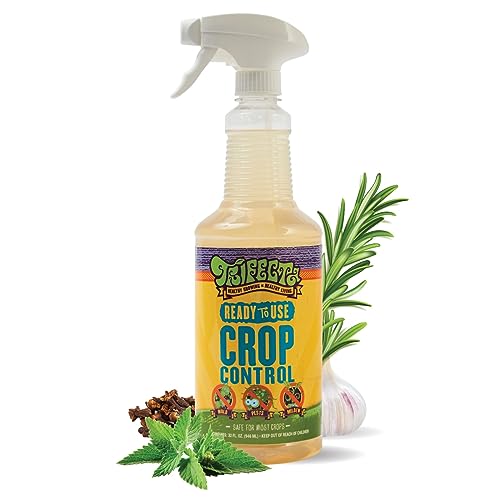
Trifecta Crop Control combines natural, plant-based ingredients into a ready-to-use solution that targets powdery mildew, Botrytis, and other pests and diseases on roses, vegetables, and houseplants. The product emphasizes a biodegradable, eco-friendly approach suitable for organic gardening, with a fast-drying formula that minimizes residue on foliage and fruiting surfaces. It also notes broader pest control, including spider mites and whiteflies, offering a multi-faceted plant protection strategy.
Key considerations: while the label promotes organic compatibility, gardeners should monitor the product’s performance on powdery mildew in their specific climate. Regular applications and proper coverage are essential for maximum effect. This option is valuable for mixed-use gardens that grow both ornamentals and edibles.
Buying Guide: Key Purchase Considerations And Comparisons
When selecting a fungicide for powdery mildew on roses, consider disease pressure, plant susceptibility, and garden goals. The following factors help inform a balanced decision:
- Active ingredients and mode of action: Copper-based products offer quick knockdown but may accumulate with repeated use. Organic and biological options rely on beneficial microbes or plant oils, which can be gentler on pollinators but may require more frequent applications.
- Compatibility with organic gardening: If you pursue organic certification or prefer non-synthetic inputs, prioritize products labeled for organic use and those containing Bacillus species or plant-derived actives.
- Targeted vs. broad-spectrum control: Powdery mildew is a fungal disease, but many sprays also address other pests and diseases. Choose a product that aligns with your broader plant-health goals and pest management strategy.
- Safety and handling: Evaluate risks to children, pets, pollinators, and edible crops. Some products are safer for use around gardens with edible plants, while others require restricted-use windows or application timing considerations.
- Application method and coverage: Ready-to-use sprays are convenient for spot treatments, while concentrates require dilution. Ensure even coverage of both upper and lower leaf surfaces for effective protection.
- Resistance management: Rotate among products with different modes of action to minimize the chance of pathogen resistance, especially in regions with persistent mildew pressure.
- Plant sensitivity: Some roses may exhibit sensitivity to copper or sulfur. Perform a small test on a few leaves before broad application, and monitor for any phytotoxic symptoms after treatment.
For a rose gardener seeking a balanced approach, combining an immediate-response option (like a copper-based or sulfur fungicide for rapid control) with a safer, biologically based product (such as a Bacillus-based fungicide) can create an effective rotation plan. Always read the label for application timing relative to rain, flowering stages, and harvest windows to protect both plant health and garden safety.