Dogwood trees are prized for their spring blooms and graceful shape, but they can fall prey to powdery mildew, cankers, leaf spots, and other fungal diseases. The right fungicide, used correctly, helps protect foliage and extend tree vitality. This guide reviews five effective options, focusing on safety, ease of use, and suitability for home gardens. Each product below targets common dogwood fungi while offering broader protection for ornamental trees and fruiting varieties alike.
| Product | Brand | Best For |
|---|---|---|
| Earth’s Ally 3-in-1 Plant Spray | Earth’s Ally | Insecticide, miticide, and fungicide blend; broad disease protection |
| Bonide Fruit Tree & Plant Guard | Bonide | Multi-purpose pesticide and fungicide for home orchards |
| Monterey Liqui-Cop – Copper Fungicide | Monterey | Copper-based disease prevention for fruit, nut, and ornamental trees |
| Mauget Imisol | Mauget | Tree injections combining insecticide and fungicide |
| Monterey Fruit Tree Spray Plus | Monterey | Dual-action control of pests and fungal diseases |
Note: Always read and follow label directions for timing, dilution, and safety. For best results on dogwood trees, apply preventative treatments during favorable growing conditions and rotate modes of action to reduce resistance risk.
Earth’s Ally 3-in-1 Plant Spray

Earth’s Ally 3-in-1 Plant Spray provides an all-in-one solution—an insecticide, miticide, and fungicide formulated with botanical oils. This makes it useful for dogwoods facing soft-bodied pests like spider mites and common diseases such as powdery mildew and leaf spots. The product emphasizes both killing and repelling pests, offering a practical option for preventive care as well as active outbreaks.
Key features include a synergy of plant oils that helps control multiple pests and diseases and supports plant health by reducing stress from infestations. For dogwood care, this spray can help manage early-season fungal pressure while keeping foliage protected during warm, humid periods when mildew and blight are more common.
Bonide Fruit Tree & Plant Guard

Bonide Fruit Tree & Plant Guard is a versatile concentrate designed to protect a broad range of fruit, nut, and ornamental trees. It targets pests such as aphids and Japanese beetles while also controlling diseases like powdery mildew and apple scab. The product’s all-in-one formulation means you gain insect, disease, and miticide protection in a single concentrate, simplifying care for dogwood trees and similar ornamentals.
Usage considerations include applying evenly to foliage and fruiting portions of trees, following label dilution rates, and reapplying after rain as directed. This option is well-suited for homeowners who manage multiple plant types and want a single product with broad-spectrum coverage for seasonal disease pressure.
Monterey Liqui-Cop – Copper Fungicide (1 Gallon)

Monterey Liqui-Cop is a copper-based fungicide designed to prevent a wide range of diseases across fruit, nut, and ornamental trees. It provides long-lasting protection once dry and is known for its rain-fast gel formulation. For dogwood trees, Liqui-Cop can help prevent common fungal issues such as blight and leaf spots while offering durable coverage against moisture-driven infections during rainy seasons.
Best practices include applying during cool, dry periods as advised on the label, avoiding plant stress, and mixing accurately to ensure even distribution. Copper fungicides are effective when used as part of an integrated disease management plan that considers cultural practices and plant vigor.
Mauget Imisol
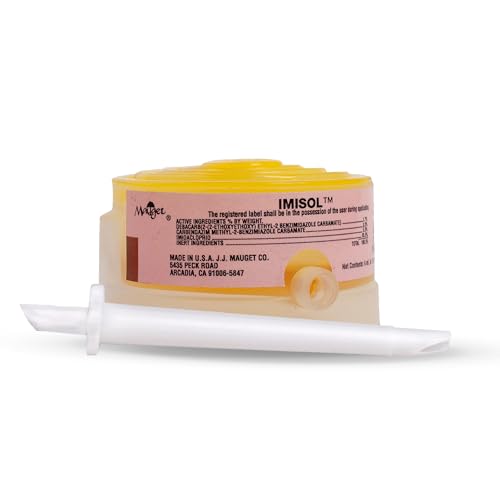
Mauget Imisol combines an insecticide (Imidacloprid) and fungicide (Fungisol/debacarb) in a microinjection treatment. This approach delivers targeted protection directly to the tree’s vascular system, which can be useful for durable defense against a spectrum of insects and diseases. For dogwoods facing persistent pests or localized disease pressure, tree injection can provide a precise, systemic approach with potentially longer-lasting protection than surface sprays.
Considerations include installation via the Mauget microinjection system, the need for proper installation to avoid tree stress, and compatibility with other garden treatments. This option is best for homeowners dealing with concentrated pest issues or seeking a more targeted, systemic solution for established trees.
Monterey Fruit Tree Spray Plus

Monterey Fruit Tree Spray Plus provides dual-action control for pests and fungal diseases on a variety of plants, including fruits, vegetables, roses, and lawns. It is designed to kill common pests like aphids, mites, beetles, caterpillars, and thrips while also preventing diseases such as powdery mildew and leaf spots. For dogwoods, this product offers a practical option for integrated garden care, combining pest management with disease prevention in a single spray.
Usage guidance includes applying thoroughly to the canopy, avoiding extreme temperatures, and reapplying as directed after rain events. It’s suitable for seasonal maintenance as part of a broader disease-prevention plan for ornamental trees.
Buying Guide
- Target pathogens: Identify the fungal diseases common to your region and dogwood varieties, such as powdery mildew, leaf spot, or blight. Choose a fungicide with proven activity against those issues and consider products that also offer pest control if pests are a factor.
- Mode of action: Rotate among different active ingredients when possible to reduce resistance. Surface sprays, copper-based fungicides, and systemic or injection options each have distinct advantages and rotation considerations.
- Application method: Consider accessibility and tree size. Sprays work well for most homeowners, while injections and ready-to-use RTS formulations suit larger trees or those with heavy disease pressure.
- Safety and compatibility: Check OMRI listings for organic options if preferred. Follow label directions for dilution, timing, and protective equipment to protect yourself, pets, and pollinators.
- Environmental conditions: Apply during appropriate weather—ideally dry, mild conditions to maximize adhesion and minimize runoff. Avoid application during flowering when pollinators are active unless the label specifically permits.
- Coverage and repeat treatments: Some products require repeat applications or rain-fast intervals. Plan a season-long strategy that aligns with your tree’s growth stage and local weather patterns.
- Injury prevention: Ensure even coverage on all foliage surfaces, including the undersides of leaves, and avoid applying to stressed trees to prevent phytotoxicity.
Across these options, the best choice for a dogwood tree often depends on your goals: quick knockdown of active pests, long-term disease prevention, or a combination of both. For many homeowners, a stepped approach—starting with a broad-spectrum preventive spray, followed by targeted treatments or injections as needed—offers robust protection while keeping dogwood trees healthy and vibrant throughout the season.