Zone 9 offers long growing seasons and warm winters, making it ideal for a variety of fruit trees. This guide highlights five well-suited options that perform reliably in Zone 9 gardens, yards, and containers. Each selection includes growth hints, fruit traits, and cultivation notes to help you choose the right tree for your climate and space.
| Product | Best For | Growth Habit | Sun & Planting |
|---|---|---|---|
| Pickering Mango Tree | Tropical fruit production in warm zones | Small, dwarf, seed-grown | Full sun; container-friendly |
| Parfianka Pomegranate Tree | Sweet red arils with antioxidants | Small starter tree, container-friendly | Full sun; well-drained soil |
| 2 Guava Trees | Fast-growing tropical fruiting | Two young plants, rapid growth | Full sun; warm zones 9–11 |
| Passion Fruit Vine | Fragrant, high-yield tropical fruit | Vining perennial | Full sun; supports or trellis |
| Bonanza Patio Peach Tree | Compact peach for small spaces | Dwarf, self-bearing potential | Full sun; patio friendly |
Contender Peach Tree – Self Pollinating Live Fruit Plant

Product details indicate a self-pollinating peach suited for zones 5–8 with full sun. Plants ship at 2 to 3 feet tall and come as deciduous stock that may show leafless stems in winter. While Zone 9 is warmer, peaches can adapt with protection from extreme heat and winter chill. This tree is compact for small spaces and can be potted for container gardening. Cage or trellis support helps with branch structure as the tree establishes. Note California restrictions may apply to some shipments.
Pickering Mango Tree – 8-12in Tall

This mango tree is seed-grown and naturally vigorous, arriving as a small 8–12 inch live plant ready for transplanting. Mango trees thrive in Zone 9–11, offering sweet, fiberless fruit when established. It is particularly suitable for containers or small gardens due to its compact origin and rapid rooting. Young trees require consistent warmth, full sun exposure, and well-drained soil. Regular feeding helps promote strong canopy and fruiting once maturity is reached. This option is well suited for warm coastal or southern climates within Zone 9.
Parfianka Pomegranate Tree – 5-8″ Tall
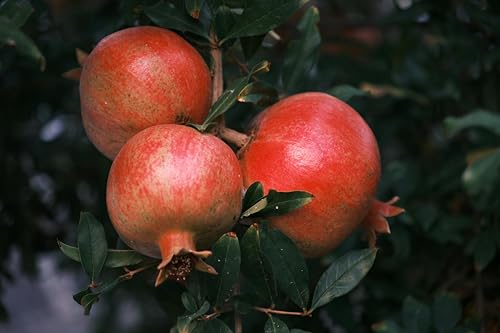
The Parfianka variety ships as a 5–8 inch bare-root starter tree with strong root systems. It bears medium to large fruits (roughly 4 inches wide) with deep red arils. Parfianka is known for consistently sweet fruit with low tartness, making it a popular choice for fresh eating, juicing, and culinary uses. Suitable for Zones 7–10, it adapts well to containers or garden beds in Zone 9, provided it receives full sun and well-drained soil. Pomegranates offer resilient performance in warm winters and hot summers.
2 Guava Trees Live Plants

The two guava trees are 5–9 inches tall, fast-growing, and ideal for Zones 9–11. Guava is a tropical fruit tree that requires warm temps and full sun. In Zone 9, these trees can establish quickly and begin fruiting in a couple of years with proper irrigation and soil that drains well. They are well-suited for containers or in-ground plantings where climate is consistently warm. Expect fragrant blossoms and seasonal fruits as the trees mature.
Pack 2 Mixed Passion Fruit Vines

These passion fruit plants are perennials suited for USDA Zones 9–11 and thrive in full sun with well-drained soil. The vines are vigorous, producing fragrant flowers and abundant fruit when properly trellised. They work well on a trellis, fence line, or pergola, providing an attractive landscape element alongside edible fruit. In Zone 9, plan for adequate irrigation during hot spells and occasional pruning to control vigor and improve fruit set.
Bonanza Patio Peach Tree

This compact peach variety is designed for patio and small garden spaces. It reaches a mature height of about 4–5 feet, making it ideal for Zone 9 residents with limited space. Self-pollinating traits help reduce reliance on partners for fruit set. Note that this product cannot be shipped to certain states due to agricultural laws. For Zone 9 gardeners, provide full sun, good air circulation, and consistent moisture for best peach production in late spring to summer.
Buying Guide: Key Considerations For Zone 9 Fruit Trees
- Climate compatibility: Zone 9 features warm winters and hot summers; choose trees labeled for Zones 9–11 or 9–10 for best results, and consider heat-tolerant varieties.
- Pollination and fruiting: Self-pollinating trees offer easier yields in small spaces, while some fruit types may benefit from cross-pollination. Check cultivar notes for pollination needs.
- Container vs. in-ground: Dwarf and patio selections are ideal for containers; ensure containers have adequate drainage and track root growth for eventual transplanting if needed.
- Sun exposure: Most fruit trees in Zone 9 require full sun (6–8 hours daily) to produce consistent fruit. Partial shade can reduce yields and fruit quality.
- Soil and irrigation: Well-drained soil is crucial to prevent root rot. Establish a regular irrigation plan, adjusting for heat, drought, and rainfall patterns.
- Pest and disease management: Warm zones may experience unique pests. Choose resistant varieties when possible and monitor regularly for signs of trouble.
- Legal and shipping considerations: Some varieties have state shipping restrictions. Verify your location and the seller’s policies before purchase.
- Maintenance and pruning: Young trees need proper pruning to shape growth and promote airflow. Seasonal pruning supports better fruiting and tree longevity.
- Space planning: Even compact trees require room to grow. Plan for mature canopy size and trellising needs for vining options like passion fruit.