Answering the need for space-efficient outdoor gardening, these freestanding vertical garden wall options let you grow herbs, flowers, and small vegetables without wall mounting. Ideal for balconies, patios, or urban yards, they suit beginners and seasoned gardeners alike who want a lush display with easy maintenance.
Summary table of selected products:
| Product | Best For | Why Pick It |
|---|---|---|
| SunVara Vertical Wall Planter 64 Pockets | Large vertical display on a wall-like frame | 64 pockets maximize planting variety in a compact footprint |
| VINGLI Wooden Planter with Trellis | Tall, decorative elevated garden | Sturdy freestanding with trellis for climbing plants |
| FILWH Wooden Raised Garden Bed Vertical Planter Box | Multi-tiered, space-saving gardening | Four tiers for dense planting in a freestanding frame |
| Giantex 5-Tier Wooden Vertical Raised Garden Bed | Expanded growing area | Five tiers with ladder-style access for ease of care |
| VINGLI 2PC Wooden Planter with Trellis on Wheels | Movable freestanding garden | Wheels provide mobility for sun/shade and cleaning |
SunVara Vertical Wall Planter 64 Pockets

Features include a space-saving design with 64 pockets, enabling a diverse mix of vegetables, herbs, and flowers on a compact vertical surface. The unit is described as durable and weather-resistant, suitable for outdoor use in varied climates.
Who it’s best for: urban dwellers with small balconies or patios who want a dense, high-coverage greenscape. Why selected: high pocket count allows multiple plant varieties and a lush display in a relatively small footprint.
Caution: Assembly and mounting must be secure to handle wind loads on exposed walls. The data emphasizes outdoor durability, but local weather can affect long-term success.
VINGLI Wooden Planter with Trellis

This freestanding planter combines a raised bed with a trellis, offering vertical height for climbing plants and a neat, organized appearance. It includes drainage considerations and a solid wood construction designed to withstand outdoor use.
Who it’s best for: gardeners wanting a tall, decorative garden with climbing plants such as beans, cucumbers, or flowering vines. Why selected: the trellis adds vertical interest while maintaining a sturdy, freestanding base.
Caution: Wood exposure requires seasonal maintenance to prevent weathering; check treatment and placement to minimize rot risk in damp climates.
FILWH Wooden Raised Garden Bed Vertical Planter Box
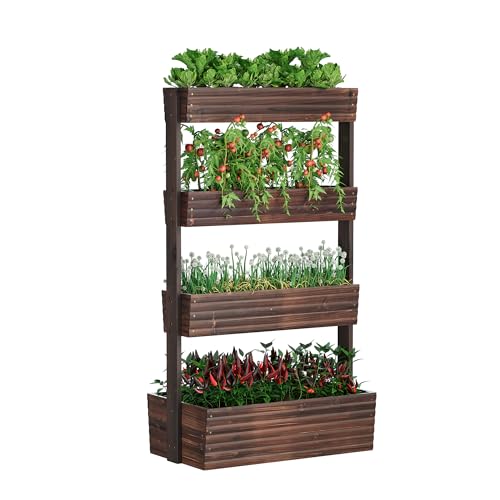
An accessible freestanding unit with multiple tiers, designed to maximize growing space without wall mounting. The vertical design is pitched for herbs, flowers, and compact vegetables, with an emphasis on space efficiency.
Who it’s best for: renters or urban gardeners needing a compact, adaptable vertical system. Why selected: space-saving configuration and multiple tiers enable a broad mix of plantings in a single freestanding frame.
Caution: The vertical depth varies by tier; ensure adequate root room for larger plants to prevent crowding on upper levels.
Giantex 5-Tier Wooden Vertical Raised Garden Bed

This freestanding 5-tier planter provides a larger growing area with a tiered ladder-style layout. Made from solid fir wood, it emphasizes durability and easy access to each level for watering and care.
Who it’s best for: gardeners who want a generous number of plant slots in a single freestanding unit and straightforward maintenance. Why selected: the ladder design improves sunlight exposure and airflow, promoting healthier growth.
Caution: Wood treatments and finishes should be compatible with outdoor use; proper sealing helps extend product life in wet climates.
VINGLI 2PC Wooden Planter with Trellis on Wheels
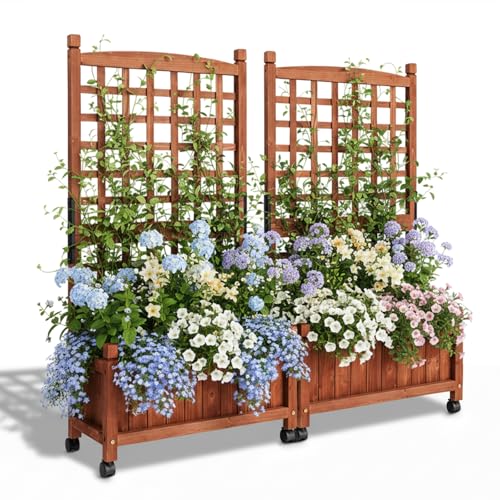
This two-piece set offers elevated garden beds with a trellis, plus wheels for mobility. It emphasizes vertical space usage and easy relocation to catch sun or shade across the day.
Who it’s best for: gardeners who want flexible placement and the option to relocate beds as seasons or sun angles shift. Why selected: wheels provide practical mobility for optimizing light exposure and cleaning routines.
Caution: ensure wheel locks are engaged when in use to prevent unintended movement during maintenance or watering.
Buying Guide: Freestanding Vertical Garden Wall Essentials
What should you consider when choosing a freestanding vertical garden wall?
- Space and footprint: Measure your area to match the unit’s height, width, and depth. Taller options maximize height but require sturdy footing.
- Material and durability: Wood offers a natural look but may need treatment for weather resistance. Plastic and composite materials can be lighter and more weather-stable.
- Plant compatibility: Check pocket depth or tier spacing to ensure room for herbs, vegetables, or flowers you plan to grow.
- Mobility and placement: Freestanding units with wheels or lightweight frames offer flexible placement; consider locking mechanisms for stability.
- Maintenance: Consider irrigation needs, drainage, and ease of watering. Self-watering features can reduce daily chores.
- Assembly and customization: Some models come fully assembled; others require assembly. Look for modular options if you plan to expand later.
Frequently Asked Questions
- What is the best freestanding vertical garden for small balconies?
Choose a compact, lightweight frame with ample shallow pockets or tiers to maximize planting area without overwhelming the balcony.
- Are freestanding vertical gardens suitable for vegetables?
Yes, many models support herbs and small vegetables; ensure depth and airflow meet the plant’s needs.
- Do these require assembly?
Most freestanding options require some assembly; read product instructions to assess time and tools needed.
- How do I protect wood from weather damage?
Apply appropriate sealants or weatherproof finishes and store or cover during extreme conditions to extend life.
- Can I move a freestanding garden between locations?
Model with wheels is designed for mobility; lockable casters provide stability when stationary.
- What plants grow best in vertical planters?
Herbs, lettuces, cherry tomatoes, strawberries, and flowering annuals commonly perform well in vertical setups.