Spider mites thrive in greenhouse and indoor garden environments. Foggers deliver broad coverage to reach undersides of leaves and dense canopies, helping control these pests without leaving long-lasting residues. This guide highlights five top fogger-style products designed to suppress spider mites and other common greenhouse pests, comparing active ingredients, coverage, and application notes to help you choose the right option for your space.
| Product | Brand | Key Benefit |
|---|---|---|
| Doktor Doom Total Release Fogger 5.5oz | Hydrofarm | Large-area greenhouse coverage |
| Atticus Pyrus TR Greenhouse Fogger (2oz) | Atticus | Dual-active formulation for stronger control |
| Doktor Doom Total Release Fogger 3oz | Hydrofarm | Compact option for small spaces |
| Doktor Doom Spider Mite Fogger, Indoor, 5.5-oz | Doktor Doom | Indoor-friendly fogger with residual-free formula |
| Grower’s Ally Spider Mite Spray | Grower’s Ally | Natural, botanical formula for preventative use |
Doktor Doom Total Release Fogger 5.5oz – Large Area Greenhouse Insecticide

Brand: Hydrofarm
Features: Versatile pest control targets fungus gnats, spider mites, aphids, whiteflies, scale, mealy bugs, and thrips in greenhouses and indoor spaces. Formulated with natural pyrethrin, it breaks down within hours and leaves no long-lasting residuals on ornamental plants, fruits, or vegetables. Food crop safe when used as directed for indoor fruit and vegetable areas.
Atticus Pyrus TR Greenhouse Fogger (2oz) – Total Release Pyrethrin Insecticide

Brand: Atticus
Features: Contains 4% pyrethrin plus 16% piperonyl butoxide for broad-spectrum greenhouse insect control. Enhanced with a synergist to deliver stronger knockdown and longer takedown activity. Total Release foggers provide billions of micro-sized particles for complete leaf surface coverage, including undersides where mites often reside.
Doktor Doom Total Release Fogger 3oz – Indoor Garden & Greenhouse Pest Control
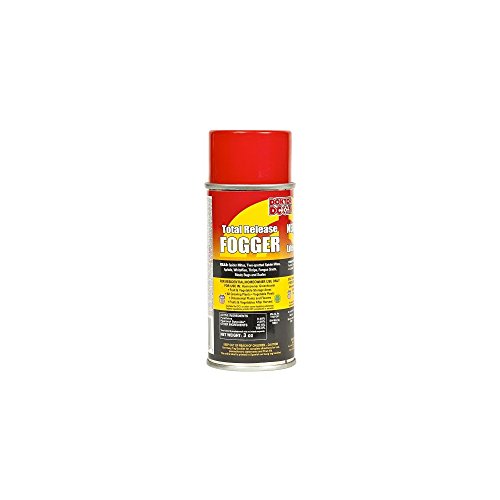
Brand: Hydrofarm
Features: Intended for greenhouses, indoor gardening areas, and fruit/vegetable storage spaces; controls fungus gnats, spider mites, two-spotted mites, and aphids. Uses natural pyrethrin and degrades within hours to leave no residual.
Doktor Doom Spider Mite Fogger, Indoor

Brand: Doktor Doom
Features: Indoor-focused fogger suitable for greenhouses, indoor spaces, and storage areas; designed for spider mites with a residue-free formula.
Doktor Doom Spider Mite Knockout, 16-Ounce
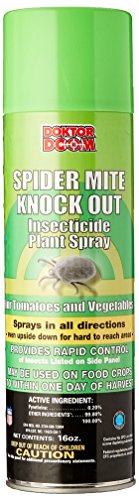
Brand: Doktor Doom
Features: General spider mite control product listed on Amazon; designed for comprehensive mite suppression across indoor and greenhouse environments.
Grower’s Ally Spider Mite Spray
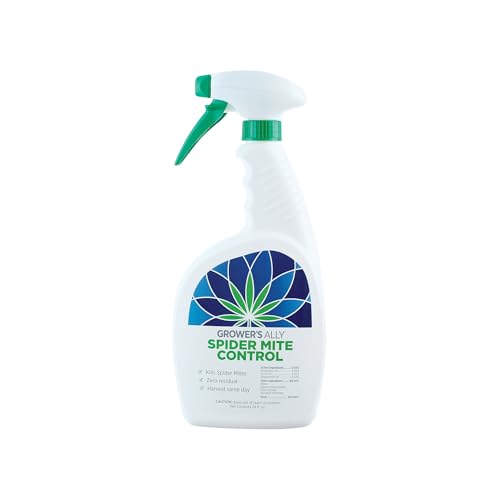
Brand: Grower’s Ally
Features: Ready-to-use spray using a natural blend of rosemary, clove, and peppermint oils. OMRI Listed for organic gardening and FIFRA 25(b) exempt. Kills and repels mites on contact and serves as a preventative measure with a focus on plant safety for edible crops.
Buying Guide
- Active ingredients: Pyrethrin-based foggers work quickly but may break down faster under bright light or high temperatures. Dual-active formulations with synergists can extend effectiveness against resilient mite colonies.
- Coverage and application: For dense canopy plants and larger greenhouses, choose larger canisters or multi-packet foggers to ensure complete saturation. Always follow directions for ventilation and re-entry times.
- Residue and safety: Foggers with no residuals minimize risk to beneficial insects and edible crops when used as directed. Check crop safety for fruits and vegetables if you intend to harvest soon after treatment.
- Environment: Consider space size, humidity, and airflow. Enclosed spaces with good sealing maximize fog reach, while open spaces may require multiple applications.
- Regulatory and organic options: OMRI-listed products and FIFRA-exempt formulas provide alternatives for organic or low-residue gardening.
- Compatibility: Use foggers as part of an integrated pest management plan, combining cultural controls, quarantine for new plants, and regular monitoring for mite populations.