Looking for the best flying saucer (patty pan or scallop) squash seeds to grow this season? This guide highlights five top options, explained for different growing styles and spaces. Each choice focuses on white or yellow patty-pan varieties known for compact bush habit, early harvest, and tasty, tender fruits. Ideal buyers include home gardeners with limited space, beginners building a first vegetable patch, and seasoned growers seeking reliable yields with heirloom or non-GMO options.
Summary table of selected products:
| Product | Best For | Seed Type | Key Benefit |
|---|---|---|---|
| Seed Needs, Early White Scallop | New gardeners seeking reliable early harvest | Heirloom | 45–50 day harvest, compact bush growth |
| TomorrowSeeds – 3 Colors Mix Patty Pan | Gardeners who want visual variety | Mixed colors | Compact bush growth, colorful harvests |
| Sow Right Seeds – Yellow Scallop | Flavorful, versatile yellow squash for cooking | Non-GMO Heirloom | Yellow, large production, versatile cooking |
| Survival Garden Seeds – White Scallop | Non-GMO heirloom option with traditional appeal | Heirloom | Delicate patty-pan flavor, tender fruits |
| KVITER 50 White Patty Pan | Compact space gardens and containers | Non-GMO Heirloom | Fast germination, 54-day harvest window |
Seed Needs, Early White Scallop Squash Seeds

Seed type and origin: Heirloom seeds designed for early maturing plants that produce 3-inch wide white-green scalloped fruits. The suitability of this variety comes from its short time to harvest and compact growth habit, which helps gardeners with limited space achieve a steady supply of patty-pan squash. Best for buyers who want a traditional, reliable white scallop with a relatively quick payoff.
Why it’s selected: Early White Scallop is known for prolific yields on a bush-like plant, reducing vine management. It’s a solid pick for beginners or gardeners who prefer predictable, straightforward cultivation. A potential limitation: some growers may prefer non-heirloom lines for broader disease resistance, though this option remains a dependable classic.
Who it’s best for: First-time gardeners and small-space plots seeking dependable early harvest without complex trellising or staging.
TomorrowSeeds – 3 Colors Mix Patty Pan

Seed type and origin: A three-color mix of patty pan or scallop squash seeds, offering Yellow, Green Tint, and White varieties. The mix provides visual variety and culinary versatility, with compact bush growth suitable for container gardening or small beds. Best for buyers who want a visually appealing harvest and the flexibility to cook with different color fruits.
Why it’s selected: The color mix adds ornamental charm to the garden and table, while still delivering the tender texture and mild flavor patty pans are known for. A potential limitation: color variety does not guarantee uniform maturity; harvest may occur in stages as different colors ripen.
Who it’s best for: Gardeners who value aesthetics, diversity in the harvest, and space-conscious growing.
Sow Right Seeds – Yellow Scallop Squash
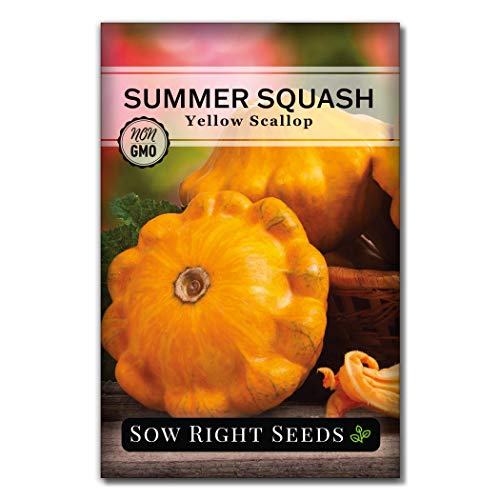
Seed type and origin: Non-GMO heirloom packet with detailed growing instructions. The plant family is a classic bush-type summer squash, often known as patty-pan, with prominent yellow fruits. This variety is designed for easy garden cultivation and reliable produce in a single growing season.
Why it’s selected: It combines a bright yellow color with a mild, versatile flavor, making it especially appealing for stuffing or quick sautéing. A potential limitation: recommended harvest typically around 50–55 days; patience is required for peak size and taste development.
Who it’s best for: Home cooks who favor bright yellow squash and straightforward care, with a harvest window that fits standard summer garden cycles.
Survival Garden Seeds – White Scallop

Seed type and origin: Non-GMO heirloom variety with practical guidance for planting and seed saving. The seeds grow into patty-pan squash with a traditional white scallop shape and tender flesh. Best for buyers who value seed-saving potential and a historical cultivar heritage.
Why it’s selected: This option emphasizes long-term gardening sustainability through seed-saving instructions, making it attractive for those who want to grow and perpetuate a single variety across seasons. A potential limitation: heirloom seeds may be more susceptible to certain diseases compared to modern hybrids, requiring standard garden care practices.
Who it’s best for: Gardeners who want an heirloom line with easy propagation and the option to save seeds for future plantings.
KVITER 50 White Patty Pan Squash Seeds

Seed type and origin: Non-GMO heirloom seeds designed for quick germination and a compact bush growth habit. The variety is aimed at producing white patty pan squashes in a relatively short time frame, suitable for variable climate zones from 3 to 12. Best for gardeners seeking a dependable, space-efficient summer squash option.
Why it’s selected: The high germination power and fast maturity (54 days) make it a strong choice for short growing seasons or late-season plantings. A potential limitation: as with many heirloom seeds, results can vary with soil conditions and climate, so plan for good soil preparation.
Who it’s best for: growers who want a reliable, quick-turnaround harvest in limited garden spaces or containers.
Buying Guide: What to Consider When Choosing Flying Saucer Seeds
What space do you have?
Compact bush varieties are ideal for containers, raised beds, or small urban gardens. If space is limited, prioritize bush types such as patty pan or scallop squash seeds that do not require extensive trellising or sprawling vines.
What color and flavor matter?
White or yellow patty-pan squashes offer mild flavors suitable for stuffing, sautéing, or roasting. Mixed-color options add visual appeal, but color alone does not guarantee uniform ripening times.
Are you focusing on heirloom or non-GMO?
Heirloom seeds are valued for flavor and seed-saving potential, while non-GMO seeds may appeal to buyers seeking traditional garden varieties without genetic modification. If saving seeds is part of your plan, heirloom or open-pollinated lines work best.
What is your growing season?
Early-maturing varieties help ensure a harvest within shorter growing seasons. If you have a hot climate, choose seeds described as producing fruit in about 45–60 days and keep soil consistently warm for faster germination.
What care does the plant require?
Most patty-pan and scallop squash varieties favor full sun and well-drained soil. Regular watering and mulching reduce stress and improve fruit quality. Some seeds may benefit from starting indoors in cooler areas before transplanting.
Seed saving and future planting
Heirloom seeds typically allow saving and replanting. If that is a goal, select an option explicitly marketed as heirloom or open-pollinated and follow the packaging guidelines for saving and storing seeds for years to come.
Frequently Asked Questions
- What is a patty pan squash? A patty pan, or scallop squash, is a small, shallowly ribbed summer squash with a sweet, tender flesh and a scalloped edge.
- When should I harvest patty pan squashes? Harvest when fruits are about 3 inches in diameter for peak tenderness and flavor; larger fruits may become tougher.
- Are patty pan squashes good for containers? Yes, most compact bush varieties perform well in containers with ample sun.
- Do these seeds need special soil? They thrive in well-drained, fertile soil with consistent moisture and full sun.
- Can I save seeds from these varieties? Heirloom and open-pollinated seeds often allow seed saving; check the product notes for each variety’s requirements and isolation needs.
- Which variety is best for beginners? A bush-type early-maturing variety, such as Seed Needs Early White Scallop or KVITER White Patty Pan, tends to be more forgiving for novice gardeners.