This guide helps you pick the right fluorescent grow light system for seed starting, cloning, and vegetative growth. It focuses on systems with reliable full-spectrum output, good reflector design, and practical install options. The top picks are suited for hobbyists, small-scale indoor gardens, and growers who want dependable, energy-efficient fluorescent lighting.
| Product | Best For | Why Selected |
|---|---|---|
| Durolux DL842N T5 4-Foot System | Medium to large seedling setups | Two 4-foot T5 lamps with 6500K full sun spectrum and a low-profile 7″ reflector for broad coverage |
| Durolux DL822N T5 HO 2-Foot System | Compact grows and dense setups | 5000 lumens, 6500K spectrum, efficient German reflector for strong light in a small footprint |
| Ferry-Morse Indoor T5 Fixture | Starter kits and easy setups | Compact fixture with T5 bulb, ideal for seed starting and starter trays |
| FREELICHT 1-Unit 4ft LED (for context) | Note: LED alternative | Full spectrum and energy efficiency; not fluorescent, included for comparison |
| LumiaStar 2ft 4Lite T5 Grow Light Panel | Small-space, even coverage | 4-lamp 2-foot panel with 10000 lumens and 6500K light for tight spaces |
| 4ft X 24In 8 Lamps T5 Fluorescent System (LumiaStar) | Large-area transplanting and cloning | 4ft by 2ft footprint, 8 lamps, 400W equivalent output for big indoor gardens |
Durolux DL842N T5 4-Foot 2 Lamps Grow Lighting System
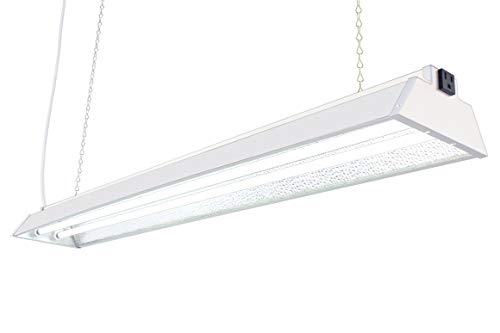
The Durolux DL842N uses two 4-foot T5 lamps emitting 6500K full-sun spectrum with a low-profile 7″ wide reflector. This setup aims to maximize light spread across larger trays or benches. Best for growers who need broad, uniform coverage across moderate to large plant flats and transplants. A potential limitation is the fixed 4-foot length, which may not fit very small grow spaces without modification.
Durolux DL822N T5 HO 2Ft System
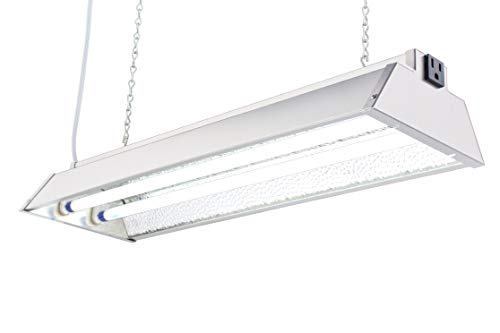
The DL822N features a 2-feet by 7″ reflector with 5000 lumens and 6500K full spectrum. It provides efficient, cool operation and a compact footprint, making it well-suited for seedling trays and tight spaces. Choose this if you need a lighter, cooler profile and easier mounting in a bench with limited depth. A caveat is the smaller light area relative to a 4-foot system, which may require more units for larger beds.
Ferry-Morse Indoor Grow Light Fixture with T5 Bulb

This compact T5 fixture is designed for seed starting and indoor growth of seedlings, cuttings, and herbs. It delivers essential light spectrum with a daylight-like 6,400K color temperature, helping prevent leggy growth. The bulb has a long practical life, typically up to 10,000 hours, reducing frequent replacements. Best for beginners or spaces where quick setup and simplicity matter. Limitations include a fixed spectrum and bulb type, which may not suit all stages without swapping bulbs.
FREELICHT 1 Pack 4ft LED Grow Light

Although listed here for context, this option is an LED system, not fluorescent. It provides a full-spectrum, sunlike output with red and blue LEDs, offering energy efficiency and slimmer design. This is best for growers prioritizing low heat and electricity use, or for rooms where fluorescent options are limited by heat. If you specifically need a true fluorescent system, consider the other options in this guide.
LumiaStar 2Ft 4Lite T5 Grow Lights Panel

The LumiaStar 2ft 4-lite panel delivers 10,000 lumens of 6500K full-sun light across a compact footprint. This makes it ideal for seedling trays, cloning, and vegetative growth in small spaces. Best for tight setups where uniform coverage across a narrow bench is needed. A limitation is that this is a 2-foot panel, so more units may be required to cover larger beds evenly.
LumiaStar 4Ft X 24In 8 Lamps T5 System

This large 4ft by 2ft system uses eight T5 lamps to deliver high-output lighting, making it suitable for bigger indoor gardens, seed starting trays, and clone operations. It provides broad coverage and strong intensity, supporting robust growth across a wider area. Caution: a system this large may require more ceiling or wall mounting space and could increase heat and energy use compared to smaller setups.
Buying Guide: Fluorescent Grow Light System Considerations
- Space and coverage: For benches and seed-starting trays, smaller 2-foot or 4-foot systems work well. Large flatbeds benefit from 4-foot by 2-foot configurations with multiple lamps to ensure even coverage.
- Spectral output: Look for 6500K full-spectrum light for vegetative growth and seedling vigor. Some systems also offer warm-spectrum supplements; match to plant stage and species.
- Reflector design: High-reflectivity reflectors (German Hammer Tone or similar) improve light distribution and efficiency. A better reflector can deliver more usable light to plant canopies.
- Cool operation and longevity: Fluorescent systems generally run cooler than HID options, but ballast quality and aluminum bodies influence longevity. Prefer low-profile designs for easier integration under shelves or cabinets.
- Install and wiring: Daisy chains and linkable cables simplify setup for multiple fixtures. Ensure you have a compatible power source and safe mounting surfaces.
- Maintenance and replacements: Fluorescent tubes need periodic replacement. Consider the ease of bulb replacement and the cost of bulbs over time.
- Limitations: Fluorescent systems can be less intense per square foot than some LED or HID setups. For very tall plants or extensive vertical farming, plan for supplemental lighting or additional fixtures.
- Energy use: Fluorescent systems are typically more energy-efficient than older HID setups but can be less efficient than LED. Compare lumens per watt and total energy needs for your space.
Frequently Asked Questions
- What type of plants benefit most from fluorescent grow lights? Seedlings, cuttings, leafy greens, herbs, and compact vegetables often respond well to fluorescent light due to the even spectrum and lower heat.
- Are fluorescent grow lights heat-heavy? Generally no. They produce less heat than HID systems, making them suitable for close mounting and smaller grow tents. Nonetheless, consider airflow to prevent heat buildup in tight spaces.
- How many lumens do I need for seed starting? Aim for roughly 2000–5000 lumens per square foot for seedlings, depending on plant type and tray depth. Larger setups benefit from higher total lumen output spread evenly across the canopy.
- How long should I keep lights on per day? Seedlings typically need 12–18 hours of light per day. Adjust based on plant response and space constraints to avoid extending growth unnecessarily.
- Is a higher Kelvin rating better for seedlings? A 6500K (cool daylight) spectrum aligns with vegetative growth and seedling vigor. Some growers mix in warmer light later to support flowering, depending on plant species.
- Do I need a separate ballast with modern fluorescent systems? Many newer T5 setups integrate a ballast within the fixture. Check product specs to confirm whether a ballast is included and how to service it.
All listed products are referenced by their provided features and intended use cases. When choosing, consider bench size, plant stages, and whether you prefer a compact 2-foot system or a broad 4-foot layout to cover larger flats efficiently.