Shade gardens can feel lush and colorful with the right flowering ground cover. This guide highlights low-growing plants that thrive in partial to full shade, form durable mats, and draw pollinators. Each option below features seed or bulb selections with strong germination or perennial longevity, plus practical tips for planting, spacing, and maintenance in shaded beds, borders, and rock gardens.
| Product | Brand | Notes |
|---|---|---|
| KVITER Purple Rock Cress Seeds | KVITER | Annual-to-perennial potential, sun to part shade, low mat formation |
| Eden Brothers Wildflower Mixed Seeds | Eden Brothers | Partial shade tolerant, pollinator-friendly mix |
| Creeping Thyme Seeds | BuggyBeds | Perennial ground cover, fragrant, drought-tolerant |
| Purple Creeping Thyme Seed | BuggyBeds | Perennial, low-growing, weed-suppressing |
| Anemone Blanda Blue Shades Bulbs | Votaniki | Spring bloom, compact ground cover |
KVITER 1,000 Purple Rock Cress Seeds

KVITER’s Aubrieta deltoidea ground cover seeds offer quick germination when surface-sown with light exposure. Seeds sprout in about 10–14 days at 60–65°F, making them suitable for a planned spring bloom. This plant performs best in full sun or part sun with well-drained soil. Keep seedlings moist as they establish; mature plants form a durable mat that tolerates dry conditions once established. The compact, cascading habit yields low mats roughly 6 inches tall, with trailing edges that pair well with other low-growing perennials. Space plants 6–12 inches apart for a cohesive ground cover effect.
Eden Brothers Partial Shade Wildflower Mixed Seeds

This mixed seed assortment includes 27 easy-to-grow species such as Sweet William, Foxglove, Coreopsis, and Purple Coneflower. The blend is described as non-GMO and suitable for partial shade, providing 250–500 square feet of ground cover with continuous blooms across spring to fall. It supports pollinators, attracting bees, butterflies, and hummingbirds. Gardeners should anticipate a mix of annual and perennial varieties, with care focused on regular moisture in early establishment and occasional thinning to maintain good coverage in shaded areas.
20000pcs Creeping Thyme Seeds

These creeping thyme seeds provide extensive ground coverage and perennial growth that creates a dense, low-growing mat of fragrant foliage and small purple blooms. Thyme is well-suited for rock gardens, between stepping stones, or as a border plant, helping weed suppression in shaded and sun-drenched patches alike. With thyme’s adaptability and drought tolerance, it supports long-term landscape resilience in varied shade conditions, though establishment benefits from regular moisture during the initial growth period.
20000pcs Purple Creeping Thyme Seed
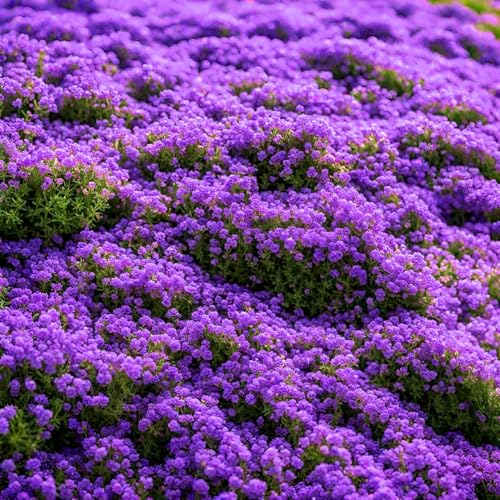
Another creeping thyme option, this seed set delivers 20,000 seeds for broad ground coverage. It shares the same perennial, low-growing habit and fragrant purple blooms. Like other thyme variants, it adapts well to rock gardens and borders, providing a weed-suppressing effect in shaded beds once established. Practically, beginners should plan for a modest first-season mat and expect gradual expansion into a vibrant, aromatic carpet over subsequent years.
Votaniki Anemone Blanda Blue Shades Bulbs

Blue Shades Anemone (Anemone blanda) bulbs create a compact ground cover with fern-like foliage and vibrant blue blossoms. Reaching about 4–6 inches in height, these perennials naturalize to form a colorful carpet in spring. They adapt well to rock gardens and front borders, and can be planted in containers for seasonal color. Once established, they return year after year with relatively low maintenance. The bulbs are ideal for creating blue accents in shade-dominated beds and along pathways.
Shade Wildflower Mix

The Shade Wildflower Mix emphasizes resilience in shaded spaces while offering a pollinator-friendly palette. The resealable pouch helps maintain seed viability by protecting against moisture. The blend combines annual and perennial varieties, ensuring color throughout multiple blooming periods and attracting a diverse range of pollinators. For shade gardens, this mix provides ongoing visual interest and ecological benefits, though results vary with light levels and soil conditions.
10 White Bloodroot Sanguinaria Seeds

Bloodroot produces striking white flowers and trailing green vines, delivering dramatic ground cover under shade. Though marketed as exotic, care and site selection are important to avoid overly aggressive spread. Bloodroot is known for fast coverage, but potential invasiveness should be monitored in managed landscapes. The CZ Grain listing notes a focus on exotic seeds, with a guarantee that supports seed quality and customer confidence. This option is best for gardeners seeking standout, bold blooms in shaded spaces.
Liriope Big Blue

Liriope muscari, commonly used as evergreen ground cover, provides year-round greenery with lavender-blue flowers in season. Ideal for landscape borders and shade gardens, Liriope offers reliable coverage and low-maintenance appeal. It works well for edging, borders along walkways, and as a foundation planting under trees, delivering consistent texture and color in low-light conditions. The plant’s resilience to both sun and shade makes it a versatile option for mixed shade gardens.
Buying Guide: Key Considerations For Shade Ground Covers
- Shade tolerance: Evaluate the degree of shade (partial vs full shade) and soil drainage. Some options prefer drier conditions once established, while others need consistent moisture in early stages.
- Growth habit: Choose between creeping, mat-forming, or clumping varieties to match space and aesthetics. Consider mature height and spread to avoid crowding existing plants.
- Perennial durability vs annuals: Perennials offer long-term coverage with less maintenance, while annuals can provide seasonal color and quick fill-ins for new shade beds.
- Pollinator benefits: Wildflower mixes and nectar-rich blooms support bees and butterflies, enhancing garden ecology in shaded landscapes.
- Maintenance: Factor in pruning needs, watering frequency, and potential invasiveness. Some ground covers require minimal care, while others benefit from occasional thinning.
- Soil and microclimate: Amend heavy clay or drought-prone soils as needed. Observe microclimates under trees or along walls, which can influence germination and flowering.
- Planting method: Seeds, bulbs, and transplants have different timelines. Surface-sow seeds in light, maintain moisture; plant bulbs at the correct depth; and allow transplants to establish with regular irrigation.
- Aesthetic goals: Consider color palette, bloom period, and foliage texture to achieve a cohesive look across shade beds and borders.