Floating aquatic plants brighten any tank while offering natural filtration, shade, and habitat for small fish. This guide highlights top-rated floating species available on Amazon, with practical care notes to help you choose the right balance of color, growth rate, and light needs for American home aquariums.
Summary of selected products
| Product | Brand | Key Benefit | Approx. Notable Note |
|---|---|---|---|
| Ultimate Floating Plant Bundle | Shore Aquatic | Natural water filtering; easy to care for | Includes duckweed, red root floaters, salvinia |
| Water Spangle, Salvinia Minima (12 Plants) | Aquarium Plant Center | Low-maintenance; covers surface area | 12 plants, 60+ leaves |
| 60+ Giant Duckweed | Aquarigram | High surface coverage; strong bio-filtration | 60+ plants |
| 80+ Leaves Red Root Floaters | Midnight Glo | Colorful, low-light adaptable | Red to green leaves, visually striking |
| Aquarigram 40+ Leaves Red Root Floaters | Aquarigram | Balanced nutrient uptake; easy growth | 40+ leaves, mystery bonus plant |
Ultimate Floating Plant Bundle

The Ultimate Floating Plant Bundle combines several popular floating species to jump-start a thriving surface ecosystem in home aquariums. The package includes duckweed, red root floaters, and salvinia, offering a quick way to establish surface cover, provide natural filtration, and reduce light penetration to control nuisance algae. Duckweed acts as a bio-filter, processing waste and helping maintain water quality, while red root floaters add visual interest with round leaves and distinctive roots. Salvinia offers robust surface coverage and competition against algae for nutrients. This bundle is designed for hobbyists seeking an all-in-one starter kit with minimal soil requirements and easy care under basic aquarium lighting.
Care notes: Duckweed and salvinia thrive with moderate light and do not require fertilizers. They reproduce readily, helping to fill the tank surface over time. Regular monitoring of water conditions is advised to ensure the plants grow without overcrowding the lid or interfering with equipment.
Water Spangle (Salvinia Minima) 12 Plants

This batch of Salvinia Minima is arranged to cover a circular area on the water’s surface with 12 plants and 60+ leaves. Salvinia is a robust floating fern that tolerates a range of freshwater conditions and grows slowly under low to medium light. It is well-suited for tanks that benefit from surface shading, helping to limit light reaching algae-prone depths while providing a natural habitat for small fish and invertebrates. Temperature sensitivity is a consideration; tanks should maintain stable conditions to prevent rapid plant loss.
Water Spangle (Salvinia Minima) 24 Plants

This larger set offers 24 Salvinia Minima plants, ideal for quickly creating a dense surface cover in bigger tanks or for aquascapes where a lush floating canopy is desired. Like the 12-pack, Salvinia Minima prefers low to moderate light and a stable freshwater environment. The package note cautions that extreme temperatures in transit could impact the batch, so acclimation upon arrival is advised. Regular trimming helps maintain a balanced surface without overly restricting gas exchange at night.
30+ Leaves Red Root Floaters
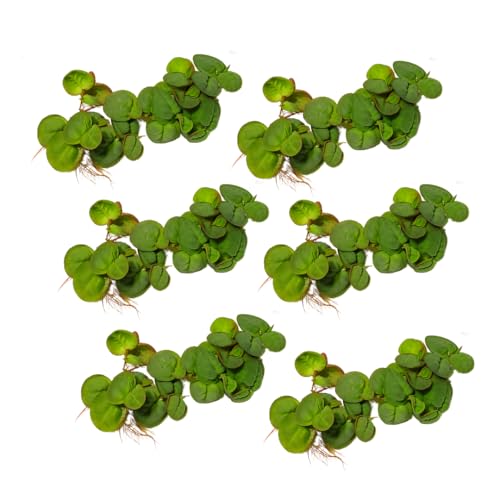
Red root floaters add color and contrast to any aquarium. This package guarantees at least 30 leaves with a mix of green and red hues, offering immediate visual interest on the water’s surface. They are relatively easy to care for, thriving under low to moderate lighting and contributing to nutrient uptake, which can help reduce excess ammonia and nitrates. A mystery bonus plant enhances variety for hobbyists seeking a bit of surprise in their setup.
60+ Giant Duckweed

Giant duckweed is known for rapid surface coverage and effective nutrient uptake. The package promises 60+ plants, creating a dense mat that reduces light penetration to the water column, mitigates algae growth, and provides shade for shy fish and fry. Duckweed is a natural bio-filter that processes waste efficiently, making it a practical choice for small to medium aquariums. Regular trimming helps prevent overgrowth and ensures access to the surface for gas exchange.
80+ Leaves Red Root Floaters

This option features 80+ leaves of red root floaters, delivering a bold aesthetic with leaves ranging from green to rich red. They are categorized as low-light plants, though modest to moderate lighting can intensify red coloration. Red root floaters thrive with regular nutrient uptake competition against algae, helping maintain clearer water. Their fast growth rate means regular trimming is recommended to prevent excessive surface coverage and to keep the aquarium balanced.
Aquarigram 40+ Leaves Red Root Floaters

Aquarigram’s 40+ leaves red root floaters provide a balanced option for hobbyists seeking a robust floating plant with strong nutrient uptake. The listing notes a mystery bonus plant, which can diversify your surface canopy. These plants are straightforward to care for in freshwater setups and can contribute to keeping nitrates and ammonia in check through natural absorption and competition with algae. Regular light exposure supports healthy growth and coloration.
Buying Guide: Floating Plants For Your Aquarium
When choosing floating plants, consider growth rate, light tolerance, and how they fit your tank’s size and inhabitants. Fast growers like duckweed can quickly overwhelm a small tank if not trimmed regularly. Salvinia is excellent for creating shade and reducing algae, but it can be sensitive to temperature swings and may require acclimation after shipping. Red root floaters offer striking color but benefit from stable nutrients and a bit more light to intensify red hues. If you want a dense surface cover without heavy maintenance, a larger batch of Spangles or duckweed can help, while still allowing space for fish to breathe at the surface.
Care considerations include light intensity, water temperature stability, and filtration capacity. Floating plants generally need minimal substrate, but they benefit from consistent fertilization in nutrient-poor tanks, especially for vibrant coloration. Regular pruning prevents overcrowding, which can reduce gas exchange and oxygen diffusion for fish at night. In mixed communities, ensure floating plants do not outcompete rooted plants for nutrients. For new setups, start with a small amount of floating plants and monitor water parameters for ammonia, nitrites, nitrates, pH, and temperature to maintain a healthy balance.
Practical tips: acclimate new arrivals to the tank gradually, avoid sudden temperature changes, and check that the plants do not interfere with filter intakes or heater cords. A hobbyist-friendly approach is to start with a mixed bundle to observe how the different species interact in your specific aquarium conditions before expanding the collection.