Hydroponics relies on precise water level management to protect roots and optimize nutrient delivery. Float valves offer a simple, reliable way to auto-fill reservoirs without pumps or electricity. This guide reviews five top picks designed for low-pressure, gravity-fed systems common in home and hobby hydroponics. Each option supports steady water levels, reduces plant stress, and minimizes maintenance. Below is a quick snapshot of the best-fit valves and their core strengths to help you choose the right one for your setup.
| Product | Key Use | Tank/Line Size | Mounting |
|---|---|---|---|
| Meekoo Float Ball Valve (4 Pack) | Multi-pack value for larger systems | 1.57 Inch arm, 1/2″ NPT | Tank/Reservoir |
| 2 Pack Float Ball Valve (Timsec) | Two-valve kit for redundancy | 1/2 Inch NPT | Tank/Reservoir |
| Hydro-Logic Hydrologic Float Valve | QC 1/4″ fitting for RO/hydro setups | 1/4″ QC | Reservoir |
| Cxztxcl 1/2 Inch Float Valve (ABS) | Low-pressure gravity fill | 1/2″ NPT | Tank/Reservoir |
| Cxztxcl 1/2 Inch Aqua Pulse Float Valve | Another 1/2″ option with adjustable arms | 1/2″ NPT | Tank/Reservoir |
Overview: Float valves are passive devices that kick in when water reaches a preset level. They’re ideal for hydroponic systems that run on gravity-fed reservoirs or rely on consistent refill to support plant growth. The selections below cover common sizes (1/2″ and 1/4″ fittings) and materials (ABS plastic and PVC) to suit different water pressures and chemical exposure. All items listed are designed to be leak-resistant when properly tightened and adjusted, and many require no power source or pump, which can simplify maintenance in DIY hydro setups.
Meekoo Float Ball Valve, 4 Pack

The Meekoo 4-pack float valves are designed for reliable, gravity-fed water transfer in hydroponic setups. Each valve features a 1.57-inch float arm, with 1/2″ NPT connections suitable for standard tubing. The ABS construction resists corrosion and rust, while adjustable arms allow for fine-tuning water level to protect roots from excessive watering. These valves are marketed as leak-free when properly tightened and can help automate reservoir refilling without electricity, reducing manual checks between watering cycles.
Timsec 2 Pack Float Ball Valve

Timsec’s 2-pack offers affordable redundancy for hydroponic reservoirs. Each valve uses a 1/2″ NPT thread and adjustable arm, with a sturdy ABS body designed to resist corrosion. The product emphasizes low-pressure, gravity-fed operation and leak-free performance through hand tightening. This makes it a practical choice for smaller systems or as a backup valve in larger setups to maintain consistent water levels without continuous supervision.
Hydro-Logic Hydrologic Float Valve

This Hydro-Logic valve is designed for compatibility with popular RO and hydroponic systems, boasting a 1/4″ quick-connect fitting and adjustable water level. It is tailored for unattended filling of reservoirs, enabling precise control with minimal manual intervention. The valve is positioned as reliable for low-pressure systems and emphasizes ease of installation, making it a strong option for growers using smaller grow tanks or integrated filtration lines in hydro setups.
Cxztxcl Float Valve, 1/2 Inch ABS

This ABS float valve by Cxztxcl emphasizes durable, corrosion-resistant construction for hydroponic reservoirs. The 1/2″ NPT fittings and adjustable arms support stable water levels with low-pressure gravity feeding. The design aims to prevent overfilling and reduce manual checks, aligning with grow room automation where power sources are kept to a minimum. It’s a practical choice for standard hydroponic tanks and trough systems that require a dependable, no-power fill solution.
Cxztxcl Aqua Pulse Float Valve, 1/2 Inch
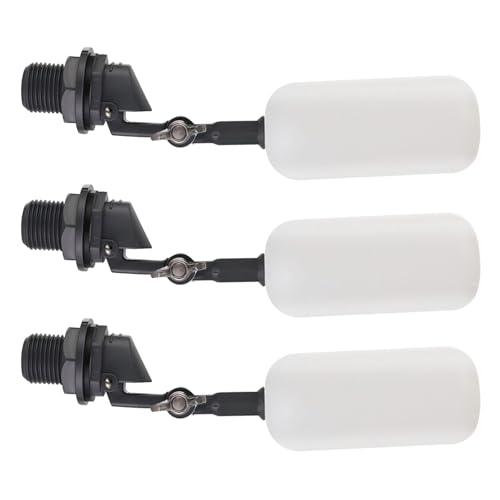
The Aqua Pulse variant from Cxztxcl provides another 1/2″ NPT option with an adjustable arm for longer service life and flexible mounting. It is designed for low-pressure gravity feeds, ensuring a leak-free seal when tightened by hand. With corrosion-resistant ABS, this valve supports stable water levels in tanks or trough-style hydroponic setups, helping growers maintain consistent nutrient uptake and root hydration across cycles.
Buying Guide: Key Purchase Considerations For Hydroponics
When selecting a float valve for hydroponics, consider these factors to match your setup and goals:
- System pressure and flow: Most gravity-fed systems operate at low pressure. Choose valves rated for the expected head height and reservoir size to avoid over or under-filling.
- Fitting size and compatibility: Common sizes are 1/2″ and 1/4″ fittings. Ensure the valve threads match your tubing or piping, and verify if adapters are needed.
- Material durability: ABS and PVC are common for hydroponics, offering corrosion resistance. If nutrients or chemicals are aggressive, confirm chemical compatibility.
- Adjustability: Valves with adjustable arms allow precise water level control, which helps protect roots and prevent stagnation.
- Ease of installation: Look for no-power or low-maintenance options with straightforward hand-tightening to reduce setup time and ongoing maintenance.
- Redundancy and scale: Larger systems may benefit from multiple valves to maintain water level during high evapotranspiration or filling demands.
- Maintenance and cleaning: Valves with accessible seals and corrosion-resistant surfaces reduce downtime and extend service life.
In applying these choices to a hydroponic garden, evaluate your reservoir volume, plant density, and whether you prefer a single auto-fill valve or a multi-valve configuration for reliability. Always follow manufacturer guidelines for installation and verify that connections are secure to minimize leaks. For owners of RO or mixed filtration systems, ensure compatibility with existing tubing and quick-connect fittings to streamline integration. The selections above represent a range of common configurations to support stable water levels in diverse hydroponic setups.