Choosing the right substrate is essential for rooted aquatic plants, shrimp, and small tropical fish. The products below are designed to support robust root growth, stabilize pH, and foster beneficial bacteria in planted aquariums. Each option offers unique strengths, from mineral-rich volcanic soils to nutrient-dense organic blends. The following selections are organized to help hobbyists compare buffering effects, nutrient availability, and ease of use across common freshwater setups.
| Product | Brand | Key Benefit |
|---|---|---|
| Fluval 12694 Plant and Shrimp Stratum | Fluval | Neutral to slightly acidic pH; rapid bio-colonization |
| Fluval 12693 Plant and Shrimp Stratum (4.4 lbs) | Fluval | Safe shelter for newborn shrimp; stable pH |
| Fluval 12697 Natural Mineral-Rich Volcanic Soil Bio Stratum | Fluval | Color and growth boost; quick nitrogen cycle activation |
| Aqueon Plant and Shrimp Aquarium Substrate | Aqueon | Versatile for a range of freshwater plants and shrimp |
| Hygger CO2 Upgraded Aquarium Soil | Hygger CO2 | Stable pH and rapid bio-colonization; plant-friendly |
Note: The selections above emphasize substrates that support rooted plants, shrimp, and small tropical fish commonly kept together in planted tanks. Each product page linked in the sections provides more detail on particle size, buffering, and nutrient content.
Fluval Plant and Shrimp Stratum (8.8 lbs)

Fluval 12694 Plant and Shrimp Stratum is formulated to support robust plant growth through easy root penetration and nutrient absorption. Its porous composition encourages the rapid establishment of beneficial nitrifying organisms, helping to establish a healthy nitrogen cycle early in the life of a tank. The substrate is designed to maintain a neutral to slightly acidic pH, which aligns well with common tropical plant varieties, shrimp, and small fish. For aquarists seeking a substrate that blends plant-forward nutrition with a safe environment for shrimp, this Stratum option offers a balanced, reliable foundation for a thriving planted aquarium.
Key benefits include enhanced nutrient uptake by roots and a substrate that facilitates beneficial microbial colonization. The combination of adequate porosity and mineral content supports vibrant leaf growth and coloration. Fluval’s Stratum is commonly favored for its dual emphasis on plant and shrimp compatibility, making it a practical choice for mixed-species setups that require stable water chemistry and reliable plant support.
Aqueon Plant and Shrimp Substrate (5 Pounds)
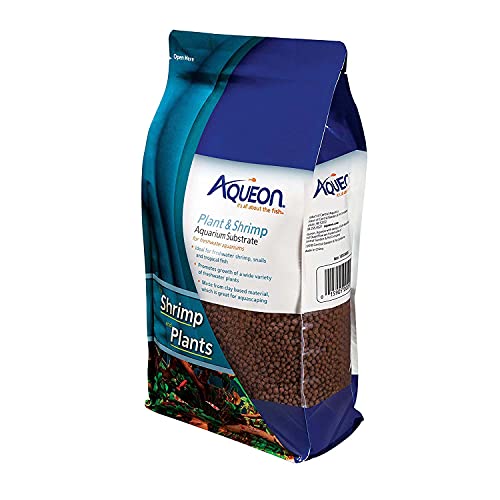
Aqueon’s Plant and Shrimp substrate is presented as a versatile aqua soil option for freshwater tanks, specifically formulated to support a broad range of aquatic plants and shrimp. The 5-pound bag size provides enough surface area for mid-sized planted tanks and community tanks alike. Its nutrient profile aims to promote growth across diverse plant species while remaining safe for invertebrates. For aquarists seeking a straightforward, all-purpose planted-tank substrate, Aqueon offers a value-oriented option that emphasizes compatibility with various flora and small fauna.
Expected outcomes include improved root development, steady plant growth, and a steady nutrient environment. Users often note visible plant expansion with regular fertilization paired with consistent light. Saltwater or reef keepers will find limited applicability, but for freshwater planted tanks, this substrate supports a balanced ecosystem conducive to both plant and invertebrate life.
Fluval 12696 Natural Mineral-Rich Volcanic Soil Bio Stratum

This Fluval Bio Stratum variant emphasizes mineral richness and volcanic soil characteristics designed to promote robust plant growth and vibrant coloration. The material activates upon contact with water, introducing dormant nitrifying organisms that begin the nitrogen cycle quickly. It also helps stabilize water conditions by contributing to ammonia reduction in new tanks, supporting a safe environment for plants and in-tank inhabitants during the initial setup period. Planted aquariums with a focus on lush greenery and nutrient-dense roots may find this substrate particularly effective for sustaining long-term color and vitality.
In addition to plant nutrition, the substrate’s microbial activity aids in waste processing, helping to maintain clearer water and a healthier micro-ecosystem. Hobbyists often pair it with appropriate lighting and regular dosing of micronutrients to maximize growth and coloration in a diverse plant collection.
Fluval Plant and Shrimp Stratum (4.4 lbs)
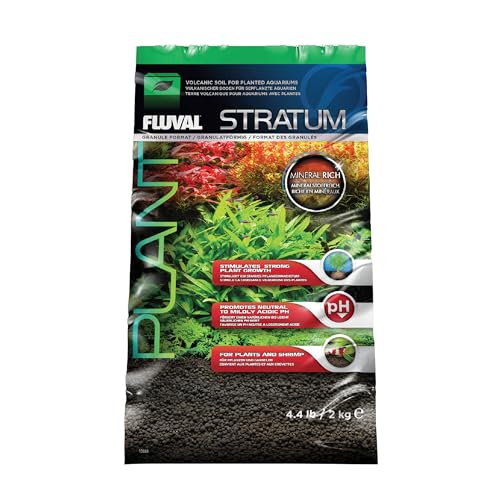
This smaller-volume Fluval Stratum focuses on rapid colonization and pH stabilization while sustaining a habitat friendly to newborn shrimp. The substrate’s porosity supports beneficial bacteria and biofilm formation, which are essential for a healthy tank bioload. The neutral-to-slightly acidic pH target remains well-suited for many compatible plant species, making it a convenient option for hobbyists who want a compact yet effective planted-tank substrate that scales with tank size and stocking.
When used in a community or shrimp-focused setup, it’s common to monitor ammonia and nitrite levels during the initial cycles and adjust with routine water changes. The texture and color of this substrate also add a visually appealing foundation for aquascapes that emphasize plant density and shrimp activity.
Hygger CO2 Upgraded Aquarium Soil

Hygger’s CO2 Upgraded Aquarium Soil is designed with planted tanks in mind, combining a nutrient-rich base with properties that support stable pH around 6.5–7.5. The porous composition fosters rapid bio-colonization by beneficial bacteria, while the pH stability helps maintain a calm environment for sensitive shrimp and plant species. This substrate is presented as particularly suitable for aquascapes focusing on lush plant growth and aquatic plant health, with the added benefit of better CO2-related plant performance in tanks that utilize supplemental CO2 systems.
Users should plan for an initial nutrient release period and maintain regular water changes, especially in new setups. The product emphasizes compatibility with standard community fish and invertebrate species, providing a flexible option for hobbyists seeking a plant-first substrate that can work with CO2 enrichment and high-light conditions.
Buying Guide: Key Purchase Considerations
- Nutrient profile: Some substrates are mineral-rich and designed to supply long-term nutrients, while others emphasize rapid nitrifying bacteria activation. Match with plant species and stocking.
- pH stability: If your chosen plants and shrimp prefer a neutral-to-slightly acidic range, prioritize substrates that advertise this buffer range or provide easy buffering capability.
- Porosity and particle size: Highly porous substrates with varied particle sizes improve root penetration and microbial colonization, but may cloud water if overly fine. Consider tank size and maintenance preferences.
- Compatibility with livestock: Shrimp, snails, and delicate fish often benefit from substrates that minimize sudden pH shifts and ammonia spikes during the initial cycle.
- Ease of use and maintenance: Some soils require rinsing before use or gradual nutrient release; others are designed to be used right away with minimal preparation.
- Long-term aesthetics: Color, texture, and depth of the substrate contribute to aquascape visuals and can influence light distribution within the tank.
- For densely planted tanks with shrimp or delicate macro invertebrates, consider substrates that stabilize pH and provide safe shelter for newborn shrimp.
- If you rely on CO2 injection, select soils that synergize with CO2 enrichment and support rapid plant growth without excessive haze or cloudiness.
- In new setups, opt for substrates known to accelerate the nitrogen cycle, reducing cycling time and promoting a stable environment for residents.
Overall, the ideal fish-tank soil for plants balances nutrient availability, microbial activity, pH stability, and compatibility with your tank’s inhabitants. The options above provide a spectrum of these features, helping hobbyists tailor substrates to their specific planted-tank goals, whether focused on lush greenery, vibrant shrimp, or a mixed community.