Choosing the right fertilizer sticks can help trees establish strong roots, vibrant foliage, and bountiful fruit. This guide highlights five top-rated options, focusing on convenience, nutrient balance, and suitability for various tree types—from evergreens to fruit and citrus trees. Each product below lists key features to help you compare at a glance.
| Product | Brand | Nutrient Focus | Key Benefit |
|---|---|---|---|
| Miracle-Gro Tree and Shrub Plant Food Spikes | Miracle-Gro | Balanced 12-4-8 style formulation to feed roots | Direct root feeding for vibrant color and foliage |
| Miracle-Gro Fertilizer Spikes for Fruit & Citrus Trees | Miracle-Gro | Fruit and citrus-specific blend | Encourages lush foliage and enhanced fruit production |
| Jobe’s Slow Release Evergreen Fertilizer Spikes | Jobe’s Organics | 13-3-4 NPK for acid-loving evergreens | Steady below-ground nourishment with reduced runoff |
| Jobe’s Garden Fertilizer Spikes | Jobe’s Organics | 8-11-11 NPK for fruit and citrus plants | High-yield foliage and fruit potential |
| SimplyGro Fertilizer Spikes for Evergreen Trees & Shrubs | SimplyGro | 12-3-3 formula for evergreens | Set-it-and-forget-it feeding for up to 3 months |
Product Sections
style=”display:none;”>Introductory Product List
Miracle-Gro Tree and Shrub Spikes For Deciduous And Evergreen Trees

Miracle-Gro Tree & Shrub Plant Food Spikes deliver nutrition directly to the root zone, supporting both deciduous and evergreen trees and shrubs. The spikes are designed for easy placement, reducing the mess often associated with liquid or granular feeds. This formulation supports vibrant color, healthy foliage, and robust root development, making it suitable for landscaped trees as well as acid-loving plant varieties.
Application is straightforward: insert spikes around the drip line to feed the roots where they grow. This product is well-suited for landscapes with mixed tree species and for homeowners seeking low-effort nutrition that still yields noticeable improvements in overall tree vigor.
Miracle-Gro Fertilizer Spikes For Fruit & Citrus Trees
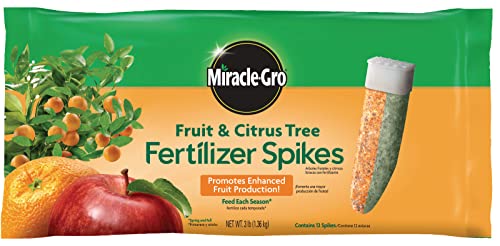
Designed specifically for fruit and citrus trees, these spikes promote lush foliage and enhanced fruit production. They are intended for seasonal use—once in spring and again in fall—matching the growth cycles of fruiting trees. The formulation is tailored to address the unique nutrient requirements of fruit and citrus crops, supporting steady growth and better yields without the need for frequent applications.
Jobe’s Slow Release Evergreen Fertilizer Spikes
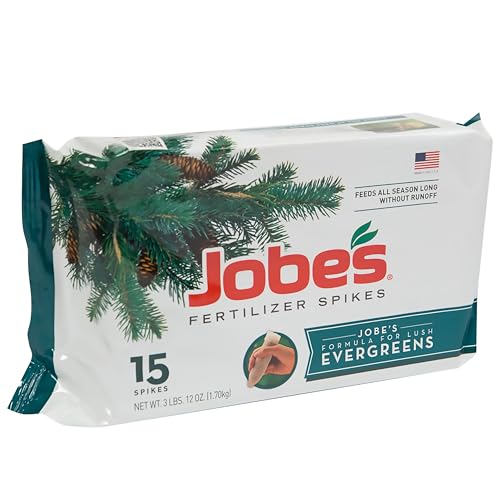
Jobe’s Evergreen Spikes are formulated to minimize runoff while providing a steady supply of nutrients below ground. The product uses a 13-3-4 NPK ratio designed for acid-loving trees such as cypress, arborvitae, pine, and cedar. It is recommended to apply twice yearly—in early spring and late fall—aligning feeding with seasonal growth and energy storage for winter. The slow-release design helps maintain soil- and root-zone nutrients over time.
Jobe’s Garden Fertilizer Spikes For Fruit And Citrus

This option targets fruit and citrus trees with an 8-11-11 NPK mix, supporting high yields and vibrant foliage. The spikes are designed to minimize runoff and mess, delivering nutrients directly to the root zone. Application is simple and typically performed twice a year in spring and fall, or as needed during the growing season to sustain nutrient levels for productive trees.
SimplyGro Evergreen Fertilizer Spikes

SimplyGro’s evergreen-specific formula uses a 12-3-3 balance to meet the needs of pines, firs, and other conifers. The spikes are sized for easy insertion and designed to feed continuously for up to three months. For best results, apply twice a year—during spring’s growth surge and in the fall as trees store energy for winter. The pre-measured spikes reduce the risk of over-fertilization and nutrient leaching, supporting a healthy evergreen landscape with minimal effort.
Buying Guide: Key Purchase Considerations
When selecting fertilizer spikes for trees, consider nutrient balance, tree type, and application practicality. Here are important factors to review:
- Nutrient balance and targets: Tree species have different needs. Fruit and citrus trees often benefit from higher potassium and nitrogen, while evergreens may require balanced or acid-loving formulations. Check the NPK ratio to match your tree’s growth stage and health goals.
- Root-zone delivery: Spikes feed directly at the root zone, which can improve uptake and minimize waste. Ensure the product is designed for distribution around the drip line where active roots reside.
- Release pattern: Slow-release formulations provide steady feeding over weeks or months, reducing the risk of nutrient leaching and runoff. Consider whether you prefer dual-season feeding (spring/fall) or longer-duration coverage.
- Tree type compatibility: Some spikes are marketed specifically for evergreens, fruit trees, or deciduous varieties. Choose a formula that aligns with your tree species for optimal results.
- Environmental impact: Look for spikes designed to minimize runoff and prevent nutrient loss into waterways. Pre-measured and properly sized spikes typically offer more controlled application.
- Ease of use and maintenance: Simple insertion with minimal cleanup is a key benefit. If you manage large landscapes, you may prefer products marketed as “set-it-and-forget-it” for semi-annual care.
- Safety and storage: Store spikes in a cool, dry place out of reach of children and pets. Follow label directions to avoid over-fertilization, which can harm the tree and soil.
In summary, choose a product that matches your tree type, irrigation rhythm, and landscape goals. For mixed landscapes, a combination of evergreen-focused and fruit-tree formulas can provide comprehensive coverage, supporting both ornamental beauty and production potential without demanding frequent maintenance.