Indoor gardening benefits from steady, balanced nutrition. Fertilizer spikes offer convenient, slow-release feeding tailored for potted plants, without the mess of powders or liquids. This guide highlights top picks that deliver steady nutrients to flowering and foliage houseplants, orchids, and palms alike. Below you’ll find concise product profiles and a practical buying guide to help you choose the right spike system for your indoor garden.
| Product | Typical Use | Notes |
|---|---|---|
| Miracle-Gro Indoor Plant Food Spikes, 48 count | Continuous feeding up to 2 months | Good for a wide range of houseplants |
| RAINFLOW Slow Release Fertilizer Spikes, 90 pcs | 180-day nutrient supply | Organic, slow-release technology |
| The Old Farmer’s Almanac Mini Spikes | Every 6-8 weeks cycle | NPK 5-5-5, compact mini spikes |
| Jobe’s Plant Food Fertilizer Spikes, 30 Count | 60-day interval feeding | 15-2-6 NPK concentrate for palms and ferns |
| Miracle-Gro Indoor Plant Spikes, 4-Pack, 1.1-Ounce | Up to 2 months of feeding | Multiple-pack option for larger collections |
Miracle-Gro Indoor Plant Food Spikes — 48 Count

Miracle-Gro’s indoor spikes provide continuous feeding for a broad range of houseplants, including ferns, pothos, spider plants, and crotons. Each spike releases nutrients gradually, supporting growth for up to two months when used as directed. The formula is designed to be safe for indoor potted plants and easy to apply, making it a popular staple for busy households.
RAINFLOW Slow Release Fertilizer Spikes — 90 Pieces
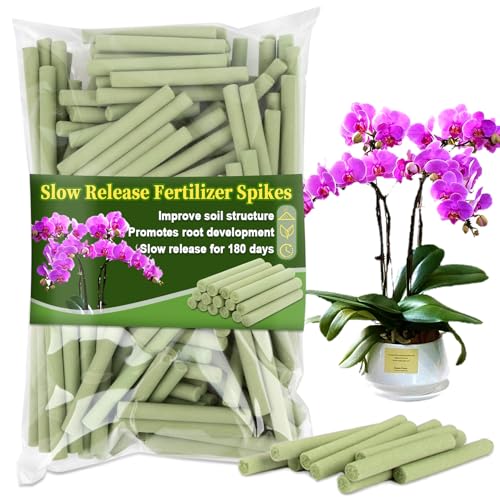
RAINFLOW offers a large pack of 90 spikes with a focus on slow-release nutrition that can last up to 180 days. This organic-style fertilizer utilizes slow-release technology to cut fertilization frequency while delivering multi-nutrient support for a range of indoor flowering plants and foliage. The approach emphasizes steady root development, blooming, and overall plant vigor with minimal maintenance.
The Old Farmer’s Almanac Mini Spikes — 12 Count

The Old Farmer’s Almanac Mini Spikes provide robust nutrition in a compact size, designed for houseplants, container plants, and window boxes. With a balanced 5-5-5 NPK profile, these spikes help sustain growth and color while enabling a simple application rhythm—typically every 6-8 weeks for continuous fertilization. They target steady nutrient release to support vibrant foliage and blooms.
Jobe’s Plant Food Fertilizer Spikes — 30 Count

Jobe’s spikes are positioned as a simple gardening aid that minimizes runoff and mess. The formulation targets palms, ferns, and similar foliage with a 16-2-6 NPK ratio. The product is designed for use every 60 days, offering a straightforward feeding schedule for indoor plant collections. The focus is on delivering steady nutrients to support lush, vibrant foliage and robust growth.
Miracle-Gro Indoor Plant Spikes — 1.1-Ounce, 4-Pack
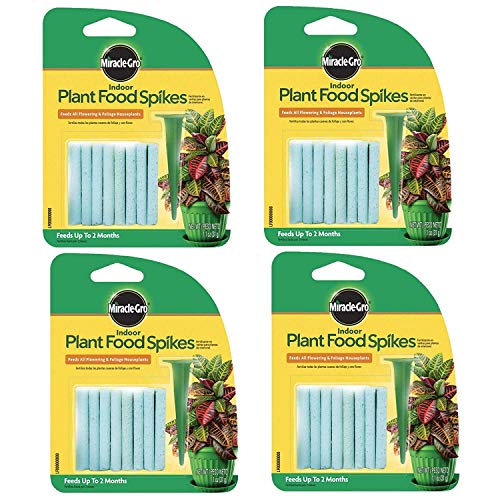
This 4-pack option from Miracle-Gro provides convenient feeding for multiple indoor plants with a focus on long-lasting nutrition. Each spike supports up to two months of continuous feeding, making it suitable for larger plant collections or households seeking repeat supply without frequent replacements. Safe for most indoor potted plants when used as directed.
Buying Guide: Key Considerations for Choosing Indoor Plant Spikes
Choosing the right fertilizer spikes involves weighing plant type, growth stage, pot size, and feeding cadence. Consider these perspectives to match spikes to your indoor garden:
- NPK balance: Look for spikes with balanced or plant-specific formulas. A typical indoor mix is around 5-5-5 to 6-12-6, providing nitrogen for growth, phosphorus for blooms, and potassium for root health.
- Release duration: Decide how long you want between feedings. Most spikes offer 1–2 months of continuous feeding; some multi-pack options or larger packs extend the interval or reduce replacement frequency.
- Plant range: If you have foliage plants predominantly (pothos, philodendron, ferns), select products with reliable results for leafy growth. Flowering houseplants may benefit from slightly higher phosphorus to support blooms.
- Pot size and number: Larger pots or mixed collections may require more spikes or larger formats. Check product counts and recommended application rates to avoid over- or under-feeding.
- Safety and cleanliness: Spikes minimize liquid handling and drainage concerns. Ensure the spikes are designed for indoor use and follow directions to prevent fertilizer burn.
- Organic vs synthetic: Some spikes advertise slow-release technology with organic emphasis. If you prefer synthetic blends, look for clear NPK values and feeding duration.
- Replacement schedule: Create a simple calendar reminder for the 6-8 week cycle typical of many mini-spikes to maintain consistent nutrition without gaps.
In practice, Miracle-Gro options offer broad compatibility for many common houseplants, while RAINFLOW appeals to users seeking a longer-term, low-maintenance schedule. The Old Farmer’s Almanac mini spikes provide compact, predictable feeding, and Jobe’s offers a targeted formula for palms and ferns. For a diversified collection, a mix of a few spike types can balance growth and flowering across different plant species while keeping maintenance simple.