Choosing the right fertilizer for perennials helps them establish strong roots, sustain vibrant blooms, and endure across seasons. The following selections include soluble, slow-release, and organic options suited for in-ground beds, borders, and container plantings. Each product is designed to feed perennials and other flowering plants, supporting robust growth without overwhelming soil health. The table below highlights five relevant picks to compare at a glance.
| Product | Brand | Best For |
|---|---|---|
| Miracle-Gro Water Soluble Bloom Booster Flower Food | Miracle-Gro | Boosting blooms in perennials, roses, hydrangeas |
| Osmocote Smart-Release Plant Food Flower & Vegetable | Osmocote | Seasonal feed, strong roots, long-lasting nutrition |
| Miracle-Gro Shake ‘N Feed All Purpose Plant Food | Miracle-Gro | All-purpose, extended feeding for mixed plantings |
| Espoma Flower-Tone Organic Plant Food | Espoma | Natural nutrient release for flowers, perennials, roses |
| Espoma Plant-Tone Organic All-Purpose Plant Food | Espoma | Long-lasting nutrients for flowers, vegetables, trees |
In the sections that follow, each product is examined for its nutrient profile, application method, and suitability for perennial gardens and containers. All recommendations aim to maintain soil health while delivering visible results in the growing season.
Miracle-Gro Water Soluble Bloom Booster Flower Food

Overview: This water-soluble fertilizer is designed to promote more blooms for greater color on a wide range of perennials and flowering plants. It feeds plants quickly and can be reapplied every 7–14 days, making it convenient for peak blooming periods. It’s suitable for use in both garden beds and containers and is compatible with roses, hydrangeas, hibiscus, azaleas, and many other flowering perennials.
Key considerations: Choose this option if you want rapid bloom response and a straightforward schedule. It works well in established perennial borders or multi-plant container arrangements where frequent feeding is feasible. Consider rotating with a slow-release formula to balance short-term color with long-term soil health.
Osmocote Smart-Release Plant Food Flower & Vegetable
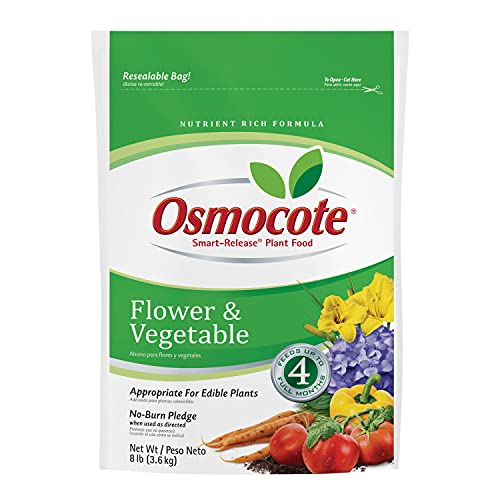
Overview: Osmocote’s 14-14-14 formulation provides a balanced NPK profile with a slow-release delivery that feeds over time. It’s especially popular for perennials and seasonal vegetables, promoting strong roots and sustained growth. The packaging includes an applicator and coverage guidance, helping ensure even distribution in beds, borders, and raised beds.
Key considerations: Ideal for gardeners who prefer less frequent applications and predictable nutrient delivery. For newly planted perennials, mix into soil and water in to establish a steady nutrient supply. It’s compatible with mulched areas around ornamentals and can be used in combination with other soil amendments.
Miracle-Gro Shake ‘N Feed All Purpose Plant Food
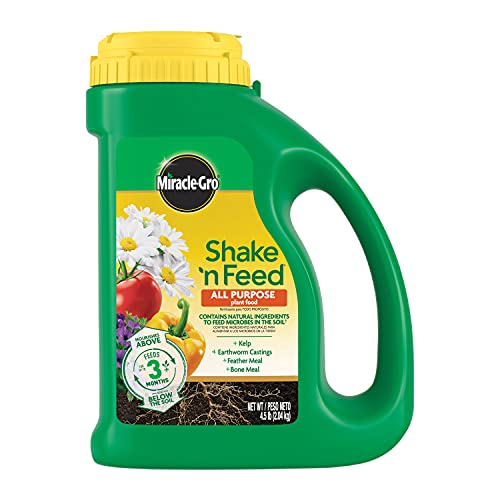
Overview: This all-purpose plant food provides extended feeding for up to 3 months, nourishing both above and below ground. It includes essential micronutrients to support strong, vibrant, productive plants across a wide range of species, including perennials, annuals, vegetables, and herbs. The granules are suitable for in-ground beds and container plantings alike and are designed for steady nutrient release.
Key considerations: Consider this option when you have mixed plantings that require a balanced nutrient strategy over multiple months. It’s a convenient, non-dissolving format that reduces feeding frequency, though you should monitor soil moisture to avoid over-fertilization in wetter climates.
Espoma Flower-Tone Organic 3-4-5

Overview: This organic plant food releases nutrients gradually through natural organics, providing a long-lasting reservoir of nourishment. It is designed for flowers, annuals, perennials, and roses, and includes a 3-4-5 fertilizer analysis with added calcium. The formula supports abundant blooms while prioritizing soil health and environmental safety.
Key considerations: Organic options like Flower-Tone are well-suited for gardeners seeking slow, steady nutrient delivery that complements soil microbe activity. It’s especially appropriate for those aiming to minimize synthetic inputs while maintaining bloom performance in perennial gar dens and borders.
Espoma Organic Plant-Tone 5-3-3

Overview: The Plant-Tone line is widely recognized for its natural organics that break down slowly to provide a long-lasting nutrient reservoir. The 5-3-3 analysis with calcium emphasizes steady growth for flowers, perennials, vegetables, and fruiting plants. It’s a versatile, ready-to-use fertilizer that supports a broad range of garden uses without high synthetic input.
Key considerations: This option is ideal for gardeners who value organic gardening principles and want a simple, repeatable feeding cycle. It’s well suited for drip-line application around perennials and roses, ensuring nutrients reach roots as plants grow.
Buying Guide
When selecting a fertilizer for perennials, consider these factors to align with your garden’s needs and your maintenance style:
- Nutrient ratio: Perennials benefit from balanced NPK blends (like 14-14-14) for steady growth, plus micronutrients. Organic options (3-4-5, 5-3-3) favor long-term soil health and microbial activity.
- Release rate: Slow-release formulations reduce the risk of fertilizer burn and provide consistent feeding over weeks. Water-soluble products deliver quick results but may require more frequent application.
- Organic vs synthetic: Organic fertilizers improve soil structure and biology over time, while synthetic blends can deliver rapid color and growth. A blend approach often yields best long-term results for diverse perennial gardens.
- Application method: Consider your planting setup—beds, borders, or containers. Some products are pre-measured granules, others require dissolving in water. Choose a method that fits your watering routine.
- Soil health: Test soil pH and nutrient status before fertilizing. Some perennials prefer slightly acidic soils, while others tolerate neutral to alkaline conditions. Organic options can help buffer pH changes.
- Timing: Begin feeding during the active growing season and adjust frequency to plant vigor and rainfall. Avoid fertilizing after heavy rain to prevent nutrient runoff.
- Plant compatibility: Check if the formula is suitable for the plant types in your landscape, particularly if you have roses, hydrangeas, or fruiting perennials, which may have specific nutrient needs.
Tips for practical use:
– For containers, choose water-soluble or liquid feeds that can be applied with your regular watering routine.
– In-ground perennials often respond well to a slow-release formulation combined with occasional quick-acting feeds during peak bloom periods.
– Always follow label directions and perform a soil test if you’re unsure about nutrient levels to avoid over-fertilization.
By evaluating nutrient composition, release patterns, and gardening goals, you can select a perennial-friendly fertilizer that promotes steady growth, abundant blooms, and sustainable soil health over time.