Marigolds thrive with steady nutrition that supports vibrant blooms and healthy foliage. The right fertilizer helps marigolds absorb essential nutrients, promotes longer flowering periods, and enhances resilience against common garden stresses. Below is a curated guide to five widely available fertilizers that perform well for marigolds, including all-purpose formulas and organic options. Each product section includes a brief summary, features, and practical application notes to help gardeners choose with confidence.
| Product | Type | Key Benefit |
|---|---|---|
| Miracle-Gro Water Soluble All Purpose Plant Food | All-Purpose | Instant feeding for rapid growth |
| Miracle-Gro Pour & Feed Plant Food | Ready-to-Use | Direct soil application for quick nutrition |
| True Organic All Purpose Plant Food | Organic | Balanced, eco-friendly nutrition |
| Miracle-Gro Shake ‘N Feed All Purpose | Slow-Release Granular | Up to 3 months of feeding |
| GreenGro Rose & Flower Fertilizer | Organic/All-Natural | Balanced nutrients with soil health benefits |
Miracle-Gro Water Soluble All Purpose Plant Food
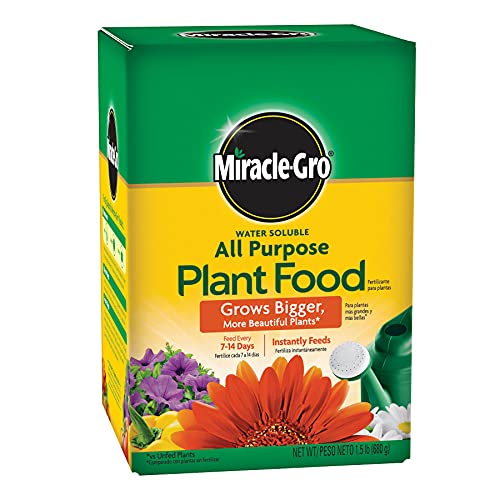
Miracle-Gro Water Soluble All Purpose Plant Food feeds a wide range of outdoor and indoor plants, including marigolds, roses, vegetables, and trees. The formula promotes quicker growth and larger, more colorful blooms. Its 24-8-16 NPK ratio provides essential nitrogen, phosphorus, and potassium to support leaf development, root establishment, and flowering performance. This product is designed for quick uptake and visible results after short-term use, making it a reliable option for timely garden boosts.
Miracle-Gro Pour & Feed Plant Food

This ready-to-use fertilizer feeds live plants instantly without mixing, making it convenient for marigolds in containers or in-ground beds. The product delivers nutrition directly to the soil, jumpstarting growth and bloom formation. It is particularly suitable for gardeners who want rapid results with minimal preparation. While it provides broad-spectrum NPK support, synthetic formulations like this are most effective when used per label directions and paired with regular watering and sun exposure.
True Organic All Purpose Plant Food

True Organic All Purpose Plant Food emphasizes balanced nutrition with an organic blend. Its formula includes seabird guano, shrimp and crab shell meal, soybean meal, and fish bone meal for a nutrient-rich, eco-friendly option. The 5% nitrogen (with slow-release components), 4% phosphorus, and 5% potassium ratio supports steady growth and robust flowering. This fertilizer is well-suited for gardeners prioritizing soil health and long-term fertility in marigold beds and mixed borders.
Miracle-Gro Shake ‘N Feed All Purpose Plant Food
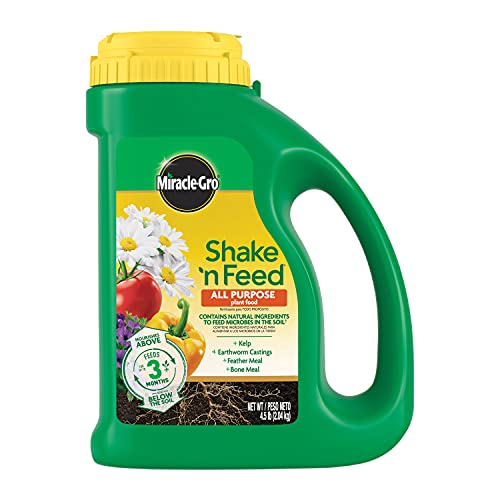
Shake ‘N Feed provides up to three months of feeding with a single application. This all-purpose formula nourishes both above and below soil, delivering essential micronutrients that support vibrant blooms and sturdy growth. It is compatible with many plant types, including marigolds, vegetables, herbs, and flowering perennials, making it a versatile choice for mixed garden beds or container plantings. The granular format allows easy spreading around established plants.
GreenGro Rose & Flower Fertilizer

GreenGro Rose & Flower Fertilizer is an all-natural option with a balanced 3-6-4 NPK ratio, designed to support blooms in roses, marigolds, and other flowering plants. Sourced from feather meal, fish meal, and alfalfa meal, it emphasizes soil vitality and sustainable plant health. The product’s organic blend, augmented with biochar, mycorrhizae, and humic acid, helps create a resilient soil environment, potentially boosting bloom quality and longevity while maintaining soil structure for container and bed gardens alike.
Buying Guide: Key Purchase Considerations
When selecting a fertilizer for marigolds, gardeners should weigh several practical factors to optimize bloom quality and plant health. Consider the following perspectives and questions to guide your choice:
- NPK Ratio and Release Type: For marigolds, a balanced or slightly higher phosphorus ratio often supports flowering. Decide whether you prefer quick-acting liquid formulas, ready-to-use applications, or slow-release granules that minimize application frequency.
- Organic vs Synthetic: Organic blends (such as True Organic or GreenGro) improve soil health over time and align with sustainable gardening goals. Synthetic blends (like Miracle-Gro options) can deliver rapid results but may require more careful soil monitoring.
- Soil Health and Microorganisms: Organic fertilizers with biochar, mycorrhizae, or bone meal promote beneficial soil life, which supports nutrient uptake. If your marigolds are in containers, ensure the formulation is suitable for container planting and does not cause salt buildup.
- Application Method and Frequency: Ready-to-use liquids are convenient, while granular slow-release products reduce maintenance. Follow label directions to avoid over-fertilization, which can stress plants or burn roots.
- Plant Stage and Observed needs: Young transplants may benefit from milder feeding, while established marigolds with abundant blooms can tolerate regular nourishment. Seasonal timing—focusing on growth spurts and flowering periods—can maximize effectiveness.
- Cost and Availability: Compare price per use, packaging size, and regional availability. A versatile all-purpose product often provides the best value for backyard marigold beds or mixed borders.
In practice, many gardeners blend an initial soil amendment with a slow-release or periodic liquid feed during peak bloom times. For organic-focused gardens, pairing a comprehensive organic fertilizer with proper soil conditioning yields blooms with robust color and salad-green foliage. Always water well after applying fertilizer and monitor plant response over the following weeks to adjust feeding frequency as needed.