Choosing the right fertilizer is essential for thriving lemon trees, whether you grow them indoors or outdoors. The products below are tailored to citrus needs, offering balanced NPK ratios and micronutrients that support leafy growth and vibrant fruit. This guide highlights five reliable options, with practical usage tips and what to consider before buying.
Summary at a glance:
- Lemon Tree Fertilizer, Complete Lemon Tree Plant Food — TPS NUTRIENTS
- GARDENWISE Professional Citrus Fertilizer + Vital Micronutrients (1 Quart)
- Down To Earth All Natural Fertilizers Organic Citrus Mix — 6-3-3
- Espoma Organic Citrus-Tone 5-2-6
- EZ-gro Citrus Tree Fertilizer (1 Qt)
Lemon Tree Fertilizer, Complete Lemon Tree Plant Food
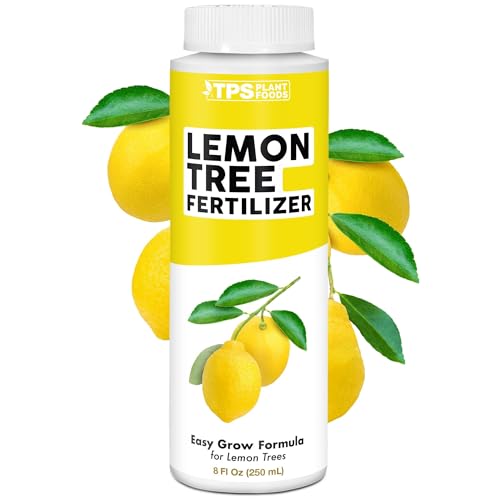
This liquid fertilizer from TPS NUTRIENTS is designed for lemon trees, with easy mixing instructions that fit a regular watering routine. A simple dosage of 2 tablespoons per gallon of water helps deliver essential nutrients to support healthy growth and fruit development. The formula emphasizes citrus-specific nutrition, aiming to sustain Meyer lemon trees and other varieties with steady nourishment throughout the season.
Suitable for home gardens and container plantings, this product focuses on convenience and targeted nourishment. Its nutrient-rich composition is crafted to support foliage vigor and robust fruiting, making it a practical option for consistent citrus care. If you prefer a straightforward feeding schedule, this liquid option integrates with typical watering routines without requiring complex applications.
GARDENWISE Citrus Fertilizer + Vital Micronutrients (1 Quart)

GardenWise presents a balanced citrus fertilizer with a clear NPK profile and a strong micronutrient package. Its blend emphasizes growth, flowering, and fruit quality, with 6% nitrogen, 4% phosphorus, and 6% potassium. The product highlights micronutrients such as magnesium, zinc, copper, iron, and boron to support cellular health, greener leaves, and robust fruit development. This is presented as an all-in-one solution that reduces the need for multiple products over the growing season.
For both indoor and outdoor citrus varieties, this fertilizer targets citrus-specific needs and aims to deliver sustained nourishment for up to two months per application. GardenWise emphasizes efficiency and value, suggesting fewer applications with meaningful results across the growing cycle. It is suitable for lemon trees of various sizes, including potted specimens and established trees in the garden.
Down To Earth All Natural Fertilizers Organic Citrus Mix

This organic citrus mix uses a 6-3-3 NPK ratio with calcium, sulfur, iron, and zinc to support foliage, flowering, and fruit. The mix is crafted from premium natural sources, including feather meal, fish bone meal, alfalfa meal, langbeinite, basalt, potassium sulfate, zinc sulfate, kelp, and leonardite-derived humic acids. It is OMRI-listed for organic use, making it a strong choice for organic or sustainable gardens.
Gardeners choosing organic cultivation will appreciate the balanced nutrition and natural sourcing. The product’s slow-acting nutrients help maintain steady feeding and minimize nutrient runoff, which can be a consideration for container plants and backyard citrus trees. This option suits those who prioritize organic inputs without synthetic additives while still supporting robust lemon harvests.
GARDENWISE Professional Citrus Fertilizer + Vital Micronutrients (1 Quart)

This is another early-season citrus option from GardenWise, designed to deliver the same core nutrient balance with a four-mistake-friendly micronutrient blend. The content emphasizes a comprehensive micronutrient profile that supports chlorophyll production, robust foliage, and fruit quality. The design targets both indoor and outdoor citrus trees, with a formulation that aims for efficient uptake and longer-lasting results between applications.
Like the smaller quart version, this product is positioned as a one-stop solution for multiple citrus varieties, including lemon trees. It is pitched as a cost-effective option due to fewer applications needed to sustain growth and fruiting across seasons. Potential buyers should consider container size, tree age, and local climate when planning application frequency.
Espoma Organic Citrus-Tone 5-2-6

Espoma Citrus-Tone is an organic fertilizer designed for citrus trees, including lemons and Meyer lemons. The formula 5-2-6 includes calcium to support cell structure and fruit development, plus Bio-tone beneficial microbes. This product is marketed as ready-to-use, with guidance to apply around the drip line during key growth periods. It emphasizes natural ingredients and an environmentally safe profile, appealing to those seeking organic options with a track record in gardening circles.
For potted lemon trees, Espoma Citrus-Tone can be a straightforward feeding solution, aligning with spring growth and pre-bloom cycles. Its organic nature can be a decisive factor for gardeners managing fertilizer runoff and soil health in container settings or home landscapes.
Citrus Tree Fertilizer by EZ-gro

EZ-gro’s citrus fertilizer targets a fruit-focused growth trajectory with a 20-3-19 NPK ratio and added micronutrients. This fast-absorbing liquid concentrate is designed for quick root uptake when diluted with water and applied to the root zone. The formulation addresses common citrus deficiencies and helps prevent yellowing while promoting steady growth and fruit production. The approach suits gardeners seeking a high-nitrogen boost during active growth periods.
With its micronutrient enrichment, EZ-gro aims to address multiple nutrient gaps that can affect lemon trees, particularly in soils with limited micronutrient availability. It is well-suited for quick response to nutrient demand, such as after transplanting or during fruit set, and can be integrated into regular irrigation practices for convenience.
Buying Guide: Key Considerations For Lemon Tree Fertilizers
- Nutrition balance: Look for an NPK ratio appropriate for citrus, commonly around moderate nitrogen with adequate phosphorus and potassium. NPK alone isn’t enough; ensure micronutrients like magnesium, zinc, iron, and boron are included for leaf vigor and fruit quality.
- Form and application: Liquid, water-soluble, and slow-release granules each have benefits. Liquids are fast-acting, granules offer longer intervals between feedings, and organic options support soil health and organic gardening goals.
- Organic vs synthetic: Organic fertilizers reduce synthetic inputs and can improve soil biology, but may require more time to release nutrients. Synthetic blends often provide precise nutrient ratios and quicker results. Your choice should align with soil health goals and local regulations.
- Container vs. ground plantings: Container lemon trees need steady, controlled feeding and careful watering. Granular slow-release formats or liquids that mix with water are both viable, but monitor salt buildup in pots.
- Frequency and seasonality: Many citrus fertilizers are applied in late winter to early spring and again in mid-summer or fall, aligning with key growth stages such as leaf flush and fruit set. Follow label directions for timing to maximize uptake and minimize waste.
- Soil compatibility: Citrus trees prefer slightly acidic to neutral soils. If your soil is highly alkaline or poor in micronutrients, selecting a fertilizer with micronutrients or using soil amendments can improve results.
- Organic certification: If OMRI-listed or certified organic matters to you, prioritize products explicitly labeled for organic use to ensure compliance with organic gardening standards.
- Tree size and age: Larger trees or those in full sun with established root systems may tolerate higher nutrient loads. Always start with the recommended dosage and adjust gradually to prevent nutrient burn.
These considerations help compare products not just by label claims but by how well the fertilizer aligns with your lemon tree’s growth stage, soil, and growing environment. When choosing, balance ease of use, soil health, and cost per feeding to sustain a productive lemon harvest across seasons.