Irises reward gardeners with striking blooms and sword-like foliage, but they rely on steady, well-balanced nutrition to reach their full potential. The right fertilizer can support vibrant flower production, strong rhizomes, and healthy foliage without encouraging leaf burn. This article spotlights five effective iris-friendly options, highlighting how they feed irises and what makes each unique for both in-ground and container setups.
Summary of select iris-friendly products:
| Product | Brand | Best For | Key Benefit |
|---|---|---|---|
| GARDENWISE Slow Release Hydrangea Fertilizer with Iron & Sulfur | GARDENWISE | Acid-loving plants; year-round blooms | Iron & sulfur for soil acidity; slow-release nutrition |
| Iris Fertilizer for Iris Flower (TPS Plant Foods) | TPS NUTRIENTS | Bearded, Siberian, and Japanese irises | Liquid formula with fast absorption; strong rhizomes |
| 4-8-8 Azalea, Camellia, Gardenia & Evergreen Fertilizer | Cz Garden Supply | Acid-loving ornamentals including irises in some setups | Slow-release, premium nutrients; reduces fertilizer burn |
| Miracle-Gro Water Soluble All Purpose Plant Food | Miracle-Gro | All plants; versatile for mixed borders | Instant feeding; versatile across setups |
| Scotts Miracid Acid-Loving Plant Food | Scotts | Acid-loving plants including hydrangeas; suitable for irises in acid soils | Feeds through roots and leaves; quick-acting |
GARDENWISE Slow Release Hydrangea Fertilizer

GARDENWISE offers a balanced 8-4-8 formula enriched with iron and sulfur to enhance soil acidity and brighten blooms. While marketed for hydrangeas and other acid-loving plants, this slow-release fertilizer can benefit irises planted in acidic soils by delivering steady nutrition and helping to sustain flowering through the growing season. The product’s ease of use makes it suitable for gardeners of all levels—simply sprinkle, water, and let the nutrients release gradually over time.
Iris Fertilizer for Iris Flower (TPS Plant Foods)

TPS Plant Foods’ Iris Fertilizer is specifically formulated for iris varieties, including bearded, Siberian, and Japanese types. It aims to encourage vibrant flowers, strong stems, and healthy rhizome development. The liquid formula promotes fast absorption, which can yield quicker visible results compared with some granular alternatives. Apply as directed for best results in both garden beds and containers.
4-8-8 Azalea, Camellia, Gardenia & Evergreen Fertilizer

This Cz Garden Supply formula provides a high-quality 4-8-8 blend designed for acid-loving ornamentals such as azaleas, camellias, and gardenias. By supplying a steady release of nutrients, it helps promote vigorous growth and larger blooms while reducing the risk of fertilizer burn. It’s a practical option for iris beds adjacent to other acid-loving plantings or where consistent performance is desired in both in-ground gardens and container setups.
Miracle-Gro Pour & Feed Plant Food

Miracle-Gro Pour & Feed offers a ready-to-use solution that instantly feeds potted plants without mixing. While broadly marketed for all container and outdoor plants, its quick-acting formula can help irises in pots or short-term containers respond rapidly to feeding, supporting flowering and foliage while you monitor soil moisture and irrigation. This product is convenient for gardeners who want immediate results with minimal setup.
Scotts Miracid Acid-Loving Plant Food
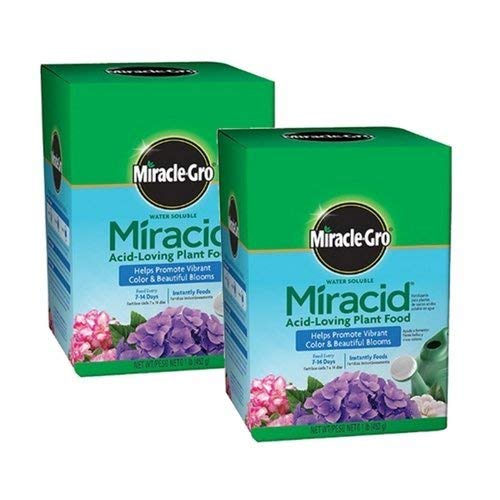
Scotts Miracid is designed for acid-loving plants, including hydrangeas, azaleas, and rhododendrons. For irises growing in acidic soils, this product can help ensure aluminum and manganese mobility and encourage robust flowering. It feeds through both roots and leaves, delivering nutrients where the plant needs them most. Use cautiously to avoid over-fertilization in marginally fertile soils.
Scotts Turf Builder WinterGuard Fall Lawn Fertilizer

While primarily marketed for lawns, this product is included for gardeners managing iris plantings near turf or planning seasonal transitions. It helps build strong root systems before winter and supports recovery from summer stress. If your iris bed borders a lawn, this option can offer a broader nutrient strategy for the landscape, provided application aligns with the lawn’s fertilizer plan.
Buying Guide: Key Purchase Considerations for Iris Fertilizers
- Nutrient balance and timing: Iris needs vary by variety and soil pH. Look for balanced NPK values that support flowering without encouraging leaf burn. Slow-release formulas reduce risk and extend feeding intervals.
- Soil pH compatibility: Irises generally prefer slightly acidic to neutral soil. If your soil is alkaline, consider products that include acidifying components (like iron or sulfur) or amend soil before fertilizer application.
- Form factor and ease of use: Granular, slow-release options work well for beds; liquid formulas provide quick results for containers or when rapid uptake is desired. Choose based on irrigation routines and maintenance style.
- Plant type considerations: Bearded, Siberian, and Japanese irises have different nutritional needs. For variety-specific feeding, use products marketed for irises or acid-loving plants to align nutrient delivery with rhizome health.
- Container vs. in-ground: Container iris care benefits from soluble or liquid options that act swiftly, while in-ground plantings favor slow-release blends that persist through longer periods between applications.
- Environmental impact: Opt for slow-release formulations when possible to minimize nutrient runoff and reduce the risk of fertilizer burn in unpredictable weather.
- Application timing: Apply fertilizers after blooming to support rhizome development, and again mid-season if growth slows or foliage looks pale. Avoid over-fertilizing, which may promote excessive foliage at the expense of blooms.
In choosing a fertilizer for irises, consider soil conditions, iris variety, whether plants are in-ground or container-based, and how you prefer to manage feeding schedules. The options listed above cover a range of needs—from targeted iris formulas to general-purpose feeds—allowing gardeners to tailor nutrition to their beds and containers while aiming for brighter blooms and healthier rhizomes.