Honeysuckle vines thrive with steady feeding that supports vibrant blooms and healthy foliage. The right fertilizer depends on your soil, climate, and whether you prefer organic options or quick-acting blends. Below are five fertilizers well-suited for honeysuckle, combining fast results with longer-term soil health. Each product is chosen for bloom support, vine health, and compatibility with outdoor use in American gardens.
| Product | Type | Key Benefit |
|---|---|---|
| Nelson Plant Food For All Flowering Vines Bougainvillea Trumpet Wisteria Honeysuckles Indoor Outdoor Granular Fertilizer NutriStar 17-7-10 | Granular, 17-7-10 | Balanced nutrition for flowering vines |
| Miracle-Gro Water Soluble All Purpose Plant Food | Water-soluble, 10-16-10 equivalent | Fast-release for rapid feeding |
| GARDENWISE 8-4-8 Acidic Fertilizer | Acidifier, 8-4-8 | Supports acid-loving plants and soil pH |
| Jobe’s Organics Granular All Purpose Fertilizer | Organic, 4-4-4 | OMRI-listed, easy organic feeding |
| Scotts Super Bloom Water Soluble Plant Food | Water-soluble, 12-55-6 | Promotes abundant blooms |
Nelson Plant Food For All Flowering Vines

Nelson Plant Food offers a granular formula designed to support flowering vines, including honeysuckles. Its 17-7-10 ratio emphasizes phosphorus for blooms while providing steady nitrogen and potassium to sustain growth. The slow-release nature reduces the need for frequent feeding, making it convenient for regular care. The product’s focus on flowering vines aligns well with honeysuckle’s need for abundant blossoms and healthy root zones. Regular feeding intervals, typically every two weeks until bloom initiation and then monthly, help maintain performance.
Miracle-Gro Water Soluble All Purpose Plant Food

This Miracle-Gro fertilizer is a versatile option that feeds indoor and outdoor plants quickly when mixed with water. With a balanced NPK profile and user-friendly dispensing via a garden feeder or watering can, it helps honeysuckle vines respond rapidly to feeding. It’s especially useful mid-season when you want to boost growth and flower production after a period of stress or transplanting. For best results, apply every 1–2 weeks according to label directions and monitor plant response.
GARDENWISE 8-4-8 Acidic Fertilizer

GARDENWISE 8-4-8 is formulated to support acidic soils and acid-loving plants, including azaleas and hydrangeas; it also helps maintain soil acidity that can benefit honeysuckle in certain soils. The blend includes magnesium and iron to prevent chlorosis and promote greener foliage. It additionally claims microbial benefits from its bio-solid composition, which may contribute to soil health over time. This product is especially suitable if your garden soil trends toward neutral or alkaline conditions and you want to encourage robust flowering.
Jobe’s Organics Granular All Purpose Fertilizer

Jobe’s Organics All Purpose Fertilizer brings organic, 4-4-4 nutrients to garden plants, including honeysuckle. OMRI-listed for organic gardening, this granular option feeds steadily and reduces the risk of fertilizer burn with proper application. Its formula supports vegetative growth and flowering, making it a practical choice for gardeners seeking a steady, natural approach to vine vitality. Use as directed, applying evenly around the drip line and watering in well.
Scotts Super Bloom Water Soluble Plant Food
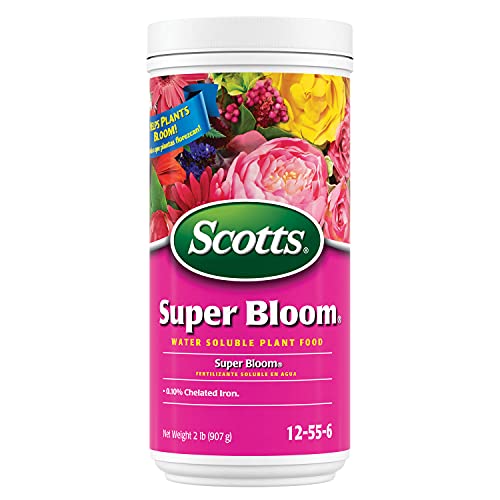
Scotts Super Bloom is specifically designed to promote flowering with a high phosphorus content (12-55-6). It feeds plants instantly when dissolved in water, supporting bloom quantity and size for flowering vines like honeysuckle. Regular applications every 1–2 weeks can help maintain vibrant blossoms through peak blooming periods. As with all concentrated products, follow label directions to avoid over-fertilizing and to protect soil and plant health.
Buying Guide: Fertilizing Honeysuckle
- Soil pH compatibility: Honeysuckle generally prefers slightly acidic to neutral soils. If your soil leans alkaline, consider an acidic fertilizer or amend soil to improve acidification where appropriate.
- NPK balance: Bloom-heavy plants benefit from higher phosphorus (P). Select formulas in the 8–12% phosphorus range for robust flowering, while maintaining adequate nitrogen for green growth.
- Feeding frequency: Vines like honeysuckle often respond to regular, moderate feedings. Slow-release or granular fertilizers reduce labor, while water-soluble blends provide quick results after watering.
- Organic vs. synthetic: Organic options (like Jobe’s Organics) improve soil biology over time and suit organic gardens, but synthetic blends (like Miracle-Gro or Scotts) provide faster visible results.
- Soil health and safety: Look for fertilizers that promote soil microbial life and avoid those with potential runoff hazards. OMRI-listed products are preferable for organic gardens.
- Application method: Granular fertilizers should be watered in to reach the root zone. Water-soluble products require thorough mixing and even distribution to prevent hotspots and burn.
- Plant-specific considerations: If you know your soil is deficient in iron or magnesium, choose formulas labeled for chlorosis prevention or enhanced micronutrients to keep leaves healthy as blooms develop.
- Climate and timing: In spring, start with lighter feedings to stimulate growth. Increase feeding during peak bloom periods, then taper as flowering subsides to avoid stressing the plant.
Across these options, honeysuckle typically benefits from a balanced or bloom-boosting blend, careful soil management, and mindful feeding intervals. The five products highlighted here provide a mix of fast-acting and longer-term soil health benefits, enabling gardeners to tailor their approach to local conditions and plant vigor.