Find the right hibiscus fertilizer to boost blooms, leaf color, and overall growth. The following options cover synthetic, organic, and all-natural blends suitable for tropical hibiscus varieties, indoor hibiscus, and garden favorites. Each product emphasizes bloom size, root health, and plant vigor, with quick-acting or long-term formulas depending on your care routine.
| Product | Brand | Key Benefit |
|---|---|---|
| Hibiscus Fertilizer for Tropical and Flowering Plants, Liquid Plant Food 8 oz | TPS NUTRIENTS | Rapid feeding for blooms |
| SouthernGRO Hibiscus & Tropical Plant Food 4lb | SouthernGRO | Fast-acting, enhances size and color |
| Carl Pool Hibiscus Plant Food 10-4-12 4 Lbs | Carl Pool | Scientifically formulated for optimum growth |
| BGI HIBISGAIN 2lb Bag | BGI Fertilizers | Hibiscus-specific formulation |
| 32oz Hibiscus Fertilizer – 32 Gallons | HiThrive | High-value liquid feed for blooms |
TPS NUTRIENTS Hibiscus Fertilizer Review

The Hibiscus Fertilizer for Tropical and Flowering Plants from TPS NUTRIENTS is a liquid plant food designed to support flowering hibiscus varieties and other tropical ornamentals. Its formulation focuses on providing readily available nutrients for rapid uptake, which can help stimulate more abundant blooms and healthier foliage. This liquid option is convenient for growers who prefer quick adjustments to feed schedules and may benefit container hibiscus or potted tropicals needing a quick nutritional boost during active blooming periods. Consider pairing with a regular watering routine to avoid nutrient burn and to maintain even soil moisture.
SouthernGRO Hibiscus & Tropical Plant Food
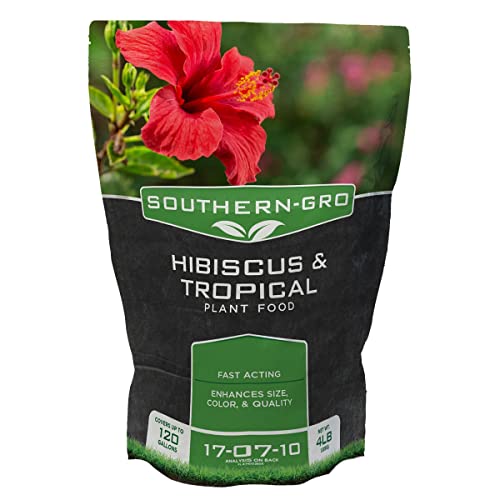
SouthernGRO Hibiscus & Tropical Plant Food comes in a granular format with a balanced NPK ratio designed to accelerate growth and improve bloom development. Marketed for hibiscus and other tropical flowering plants, this product emphasizes fast-acting action to enhance flower size, color, and overall plant quality. For gardeners managing outdoor hibiscus beds or greenhouse tropicals, a periodic application schedule—preferably aligned with irrigation—can help ensure consistent nutrient availability while avoiding nutrient runoff and leaching in heavier soils.
Carl Pool Hibiscus Plant Food 10-4-12
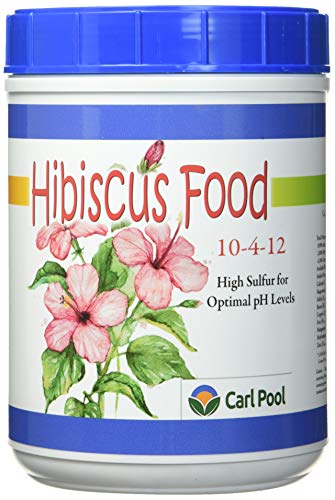
Carl Pool Hibiscus Plant Food is formulated with a 10-4-12 NPK ratio, aiming to support robust flowering while feeding the plant’s root system. The product is positioned for both hibiscus varieties and other tropical flowering plants, with emphasis on optimum growth through a scientifically tuned balance of macronutrients. Gardeners should monitor soil nutrition and consider split applications during peak bloom periods to sustain flower size and prevent nutrient flushes that could disrupt blooming cycles.
BGI HIBISGAIN Hibiscus Fertilizer

HIBISGAIN from BGI Fertilizers is built specifically for hibiscus, reflecting the growing needs of these plants in commercial and home settings. The product description emphasizes minimal mixing, with application directly on soil or mulch. This approach can help conserve time and reduce handling for busy gardeners, while still delivering essential nutrients to support dense flowering and vibrant leaf color. When using surface applications, consider light watering to help the nutrient reach the root zone without washing away beneficial microbes.
HiThrive Hibiscus Fertilizer 32oz

HiThrive Hibiscus Fertilizer is offered in 32-ounce bottles and is designed to yield high-volume feed for both outdoor hibiscus and indoor tropical plants. The formula highlights a balance of nitrogen for lush foliage, phosphorus for strong roots, and potassium for vibrant blooms, aiming to boost overall vigor and showy blossoms. The larger bottle is ideal for households with multiple hibiscus plants or larger garden beds where ongoing feeding is planned across several weeks or months. Preparation and dosing should follow the product’s label guidance to maintain plant health and avoid over-fertilization.
Buying Guide: Hibiscus Fertilizer Considerations
When selecting hibiscus fertilizer, growers should compare formulation types, application frequency, and climate considerations. Different hibiscus varieties may respond best to specific NPK ratios, with higher phosphorus or potassium levels supporting bloom development or root strength, respectively. Organic options can improve soil biology but may work more slowly than synthetic formulas, which deliver rapid available nutrients. For container hibiscus, ensure the product allows controlled feeding to prevent salt buildup in limited soil volumes. In-ground hibiscus may benefit from slower-release blends that reduce leaching after rain or irrigation.
Key considerations include:
- NPK balance: Match fertilizer ratios to your hibiscus’s growth stage—growth and foliage vs. blooming focus.
- Form: Liquid fertilizers act fast; granular and slow-release blends offer steadier nutrition over weeks.
- Organic vs. synthetic: Organic options support soil biology but may require more frequent applications to sustain growth; synthetics provide predictable nutrient delivery.
- Application method: Follow label directions to minimize runoff and salt buildup; consider foliar feeding as a supplement in some cases.
- Soil context: Sandy soils drain quickly; heavier soils retain nutrients longer; adjust dosing accordingly.
- Environmental conditions: Hot, sunny climates can increase nutrient uptake and irrigation needs; adjust frequency to prevent scorch.
Overall, each product in the selection targets hibiscus health through a practical approach—whether you need quick blooms, deeper foliage, or robust root systems. For best results, align your feeding with the plant’s life cycle, water management, and seasonal growth patterns. Consider starting with a half-strength dose to observe response before scaling up, and always ensure adequate drainage to prevent nutrient buildup in the root zone.