Choosing the right fertilizer for your flower garden is essential for vibrant blooms and healthy plant growth. Below is a summary of some of the best fertilizers designed specifically for flower gardens. These products vary from water-soluble formulas to organic blends, catering to a wide range of gardening needs.
| Product | Brand | Key Feature |
|---|---|---|
| Miracle-Gro Water Soluble All Purpose Plant Food | Miracle-Gro | Feeds instantly with essential nutrients for bigger, beautiful plants |
| Burpee Natural Purpose Granular Organic Food | Burpee | OMRI certified organic feed with beneficial microbes |
| Farmer’s Secret Fruit & Bloom Booster Fertilizer | Farmer’s Secret | Super concentrated formula that enhances flowering yields |
| Miracle-Gro Water Soluble Bloom Booster Flower Food | Miracle-Gro | Promotes more blooms and vibrant color for flowers |
| Osmocote Smart-Release Plant Food Flower & Vegetable | Osmocote | Slow-release nutrients for strong roots and vigorous top growth |
Miracle-Gro Water Soluble All Purpose Plant Food

This water-soluble fertilizer by Miracle-Gro is perfect for both indoor and outdoor flower gardens. Packed with essential nutrients, it feeds plants instantly and promotes bigger, more beautiful blooms compared to unfed plants. It can be applied every 1-2 weeks, either with the Miracle-Gro Garden Feeder or a regular watering can. It’s versatile enough for vegetables, trees, and flowers, making it an all-around fertilizer for various garden needs.
Burpee Natural Purpose Granular Organic Food

Burpee’s organic granular food is OMRI certified, ensuring it meets organic gardening standards. This fertilizer releases major and minor nutrients plus beneficial microbes to improve soil health and support your flowers’ growth for up to three months. Effective for seed starting, bedding plants, container flowers, and vegetable gardens, it encourages stronger plants and more abundant blooms naturally and sustainably.
Farmer’s Secret Fruit & Bloom Booster Fertilizer

This super concentrated fertilizer is designed to boost fruit production and flowering across a wide range of plants. It strengthens roots, enhancing nutrient uptake to maximize bloom volume and fruit yield. Recommended dilution is 1 teaspoon per 2 gallons of water, making a little product go a long way. It’s suitable for various flowers including roses and petunias, as well as fruiting plants like citrus and berries.
Miracle-Gro Water Soluble Bloom Booster Flower Food

Specifically formulated for flowering plants, this Miracle-Gro bloom booster promotes more blooms and richer flower colors as compared to unfed plants. Suitable for both in-ground and container plants, it can be reapplied every 7-14 days. It supports a variety of flowers including hydrangeas, dahlias, hibiscus, and petunias, making it ideal for gardeners focused on maximizing floral display.
Osmocote Smart-Release Plant Food Flower & Vegetable
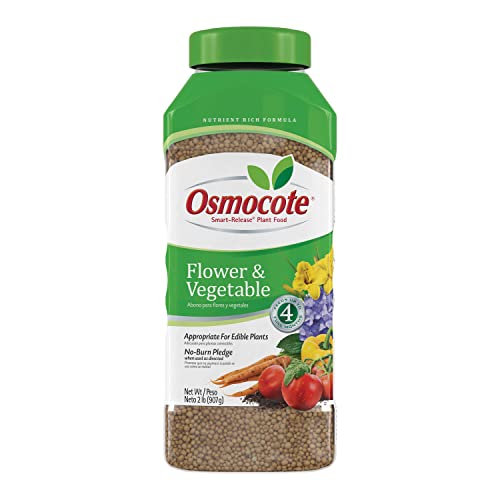
This slow-release fertilizer is ideal for gardeners wanting long-lasting nutrition. It focuses on promoting vigorous top growth and strong root development, essential for thriving flower gardens and vegetable plots alike. Its release mechanism ensures nutrients feed plants over time, reducing the need for frequent feeding. Especially beneficial for perennials, it supports sustainable plant health season after season.
Buying Guide: How to Choose the Best Fertilizer for Your Flower Garden
When selecting a fertilizer for your flower garden, consider the following factors to make an informed purchase:
1. Nutrient Composition
Look for fertilizers that offer a balanced mix of nitrogen (N), phosphorus (P), and potassium (K), typically indicated as an N-P-K ratio. For flowers, formulations emphasizing phosphorus help promote blooming and root development.
2. Fertilizer Type
- Water-Soluble Fertilizers: Quickly absorbed by plants and suitable for regular feeding during growing seasons.
- Granular Fertilizers: Often slow-release or organic, granular types feed plants gradually and improve soil quality.
- Liquid Concentrates: Highly concentrated, diluted with water, and ideal for fast, effective feeding.
3. Organic vs. Synthetic
Organic fertilizers improve soil health and are eco-friendly but may act slower. Synthetic fertilizers deliver nutrients quickly and consistently but require careful handling to avoid overfeeding or environmental harm.
4. Plant Specificity
Choose fertilizers targeted for flowering plants to maximize bloom quantity and quality. Some blends are universal, feeding a broad spectrum of plants including vegetables, while others are bloom boosters designed specifically for flowers.
5. Application Frequency and Ease
Water-soluble and liquid fertilizers often need frequent application (every 1-2 weeks), while slow-release or granular types may feed plants for several months. Consider your gardening routine and preferred level of maintenance.
6. Soil Health Benefits
Some products include beneficial microbes or natural proteins that boost soil health beyond nutrient supply, supporting long-term garden vitality.
7. Environmental Impact
Select products that minimize runoff and chemical exposure, especially if gardening near water bodies or with pollinator presence.