Choosing the right fertilizer can help citrus trees thrive, producing lush foliage and abundant fruit. This guide highlights five well-regarded options that cater to both soil-fed and container-grown citrus, with varying nutrient blends to support growth, flowering, and fruit development. Below you’ll find concise product overviews, key features, and practical guidance to help you compare options and make informed purchases for your citrus oasis.
| Product | NPK Ratio | Form | Use |
|---|---|---|---|
| Down To Earth All Natural Citrus Mix (1 lb) | 6-3-3 | Granular | Organic gardens |
| Miracle-Gro Fruit & Citrus Plant Food Spikes | Not stated on product copy | Spikes | Fruit-bearing citrus |
| Espoma Citrus-Tone 4 lb | 5-2-6 | Granular | All citrus trees and avocados |
| GardenWise Professional Citrus Fertilizer + Micronutrients (1/2 Quart) | 6-4-6 (approx.) | Granular | Indoor and outdoor citrus |
| Gardenera Premium Liquid Citrus Tree Fertilizer (8 oz) | 3-1-2 | Liquid concentrate | Indoor citrus trees |
Down To Earth All Natural Citrus Mix (1 lb)

This organic citrus mix delivers a balanced 6-3-3 NPK with additional calcium, sulfur, iron, and zinc. The formula is derived from premium natural sources, including feather meal, fish bone meal, alfalfa meal, langbeinite, basalt, potassium sulfate, zinc sulfate, kelp, and leonardite-derived humic acids. OMRI-listed for organic use, it supports healthy foliage, flowering, and fruit while aligning with organic or sustainable gardening goals. Suitable for lemons, limes, oranges, and avocados, this mix emphasizes soil health alongside nutrient delivery. Ideal for organic setups and home gardens that prioritize natural inputs.
Miracle-Gro Fruit & Citrus Plant Food Spikes
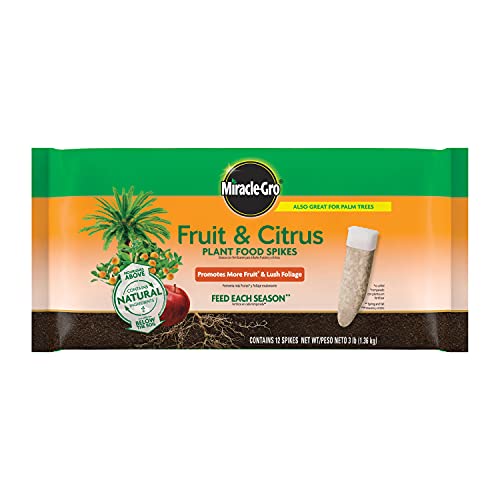
Miracle-Gro’s spikes are designed to provide feeding during key growth periods, promoting more fruit and lush foliage compared with unfed trees. The product emphasizes a simple, seasonal feeding approach—apply in spring and fall. Spikes offer a convenient, long-lasting feeding option for containerized or garden citrus, helping maintain steady nutrient availability between waterings. This option is noted for natural ingredients and a straightforward method that can suit busy owners seeking low-effort maintenance.
Espoma Citrus-Tone 4 lb

Espoma Citrus-Tone blends natural and organic ingredients with an exclusive Bio-tone formula, delivering a 5-2-6 analysis with calcium. Specifically designed for all citrus trees, including lemons, limes, and oranges, as well as avocados and nut trees, it remains environmentally safe with no sludges or toxic additives. Ready-to-use and requiring no mixing, Citrus-Tone is ideal for homeowners seeking an organic-friendly option that supports steady growth and fruit production when applied at seasonal intervals (late winter through fall).
GardenWise Professional Citrus Fertilizer + Micronutrients (1/2 Quart)

This product emphasizes a balanced NPK blend with essential micronutrients, including magnesium, zinc, copper, iron, and boron. The formulation targets both growth and fruit quality, aiming to deliver measurable improvements in leaf color, flowering, and overall yield. It is marketed for both indoor and outdoor use, with an emphasis on convenience and a compact application schedule that can fit into regular plant-care routines for citrus varieties across different environments.
GardenWise Professional Citrus Fertilizer + Micronutrients (1 Quart)

An expanded option in the same family, this quart-size formula provides similar micronutrient-rich nutrition designed to boost citrus yields. The blend focuses on sustained nourishment, supporting growth, flowering, and fruit development while reducing the need for multiple products. It suits both indoor and outdoor trees and aims to simplify maintenance for citrus enthusiasts seeking higher output without complex mixing routines.
Down To Earth Citrus Mix (5 lb)

This five-pound bag offers a larger, OMRI-listed citrus mix with a 6-3-3 formula designed for organic production. It provides primary and secondary nutrients, including calcium, sulfur, zinc, and iron, plus other micronutrients. The product supports lush growth, full foliage, and fragrant blossoms, promoting abundant fruit while aligning with organic gardening practices.
Premium Liquid Citrus Tree Fertilizer (8 oz)

This Gardenera liquid concentrate offers a citrus-tailored 3-1-2 formula designed for indoor trees. Being organic and liquid-based, it provides quick nutrient availability, promoting steady growth, improved fruit production, color, and aroma. The concentrate format allows precise dosing and easy integration into regular watering routines, especially valuable for potted citrus that benefits from frequent feeding with balanced nutrients.
Buying Guide: Key Considerations For Choosing Citrus Fertilizers
- Nutrient balance and ratios: Citrus trees typically benefit from balanced or slightly high phosphorus and potassium (P and K) relative to nitrogen for flowering and fruiting. Look for products labeled for citrus or fruit trees with NPK values around 5-6% nitrogen, moderate phosphorus, and higher potassium, plus micronutrients like magnesium, iron, zinc, and copper.
- Form and application: Granular blends work well for soil-based plantings and established trees, while spikes and liquids suit containers and quick nutrient delivery. Consider your setup (raised beds vs. pots) and maintenance cadence to choose the most convenient form.
- Organic vs. conventional: If you prefer organic gardening, select OMRI-listed products or those explicitly labeled as organic. These formulations emphasize natural inputs and compatibility with organic growing systems.
- Foliage and fruit emphasis: Some formulas prioritize leafy growth, while others target fruit yield and quality. For fruit-heavy trees, a fertilizer with a balanced NPK and micronutrients that support flowering and fruit set is beneficial.
- Micronutrients: Magnesium, boron, iron, zinc, copper, and manganese are important for chlorophyll production, flower development, and fruit quality. Ensure the product includes adequate micronutrients or plan to supplement as needed.
- Indoor vs outdoor use: Indoor trees often require more frequent, smaller applications and easily absorbable formulas (like liquids) due to limited root space and controlled environments. Outdoor trees may benefit from slower-release granules that feed over a longer period.
- Seasonality and timing: Apply fertilizers in late winter to promote pre-bloom vigor, with follow-up feedings during spring and fall, adjusting for local climate and tree age. Avoid excessive feeding during peak heat or dormancy.
- Safety and labeling: Choose products with clear labeling, certifications, and usage instructions. For home gardens with children or pets, consider products with minimal risk profiles and easy-to-follow mixing guidelines.
- Container size and tree age: Smaller containers require lighter, more frequent feedings; larger established trees need deeper, slower-release nutrients. Always follow manufacturer guidelines for containerized citrus.
For best results, align your fertilizer choice with your tree type, climate, and growing goals. Regular soil testing and observations of leaf color, new growth, and fruit development can help you fine-tune feeding schedules and maintain healthy, productive citrus trees.