Choosing the right fertilizer for bulbs can impact bloom size, color, and plant health. This guide reviews five well-regarded options suitable for fall and spring bulbs, including bone meal, balanced NPK blends, and organic formulations. Each product is evaluated on nutrient balance, release style, and suitability for indoor or outdoor use, helping American gardeners compare options without guesswork. The selections emphasize safe ingredients, ease of use, and compatibility with common bulb varieties like tulips, daffodils, crocuses, and lilies.
| Product | Brand | NPK (Approx.) | Release | Best For |
|---|---|---|---|---|
| Espoma Organic Bulb-Tone | Espoma | 3-5-3 | Slow-Release | All Fall and Spring Bulbs |
| 4-10-10 Bulb and Bloom | Cz Garden Supply | 4-10-10 | Slow-Release | Indoor/Outdoor Bulbs & Flowers |
| Bulb Fertilizer Liquid | TPS NUTRIENTS | 0-0-0 | Liquid | All Bulbous Plants |
| Bulb & Bloom 4-10-10 | Lilly Miller | 4-10-10 | Slow-Release | Bulbs & Perennials |
| Bone Meal Pellets | Burpee | 2-14-0 | Slow-Release | Roots & Bulbs |
Key takeaways: For bulbs, phosphorous-rich blends (like 4-10-10 or 2-14-0 bone meal) tend to promote strong root systems and prolific blooms. Slow-release formulas reduce burn risk and extend feeding through the growing season. Organic options, including bone meal and plant-tone blends, support long-term soil health while delivering bloom-ready nutrients. Consider your bulb type, planting depth, and whether you’re feeding pre-plant or post-bloom when selecting a product.
Espoma Organic Bulb-Tone 3-5-3

Product highlights: Espoma Bulb-Tone is an organic 3-5-3 blend designed for both fall and spring bulbs. The formula includes a 6% calcium boost for stronger cell walls and better bloom integrity. The product is soil-safe with no sludges or toxic ingredients, making it suitable for organic garden setups and containers alike. It is ready to use with straightforward planting guidance—add directly into the planting hole at bulb transition or sprinkle on the soil surface for established plants, followed by thorough watering.
Why it fits bulbs: The phosphorus-to-potassium ratio supports bloom development, while calcium aids root strength in young and established bulbs. Its universal applicability to tulips, daffodils, crocuses, hyacinths, gladioli, and lilies makes it a convenient all-around option for mixed bulb beds. Users seeking a dependable, environmentally friendly option often favor Bulb-Tone for its ease of use and consistent results.
What to expect: rapid integration into planting routines, minimal maintenance, and a gradual nutrient release that aligns with bulb growth cycles. For container plantings, keep in mind container soils can dry out more quickly, so consistent watering after application is important to activate the product.
4-10-10 Bulb and Bloom Fertilizer

Product highlights: Cz Garden Supply’s 4-10-10 formula provides a high phosphorus and potassium blend designed to promote vigorous growth and larger blooms. The slow-release design helps maintain a steady nutrient supply, reducing the risk of fertilizer burn and extending feeding through the season. The product is marketed for both indoor and outdoor use, addressing a wide range of bulb-related gardening needs.
Why it fits bulbs: The elevated phosphorus level (the “10” in the middle) supports root and bloom development, which is especially beneficial for fall-planted bulbs that establish before winter. The stable release characteristic is ideal for bulb beds that undergo seasonal moisture fluctuations, ensuring nutrients are available when roots demand them the most.
What to expect: improved root establishment and more robust flowering. This option is well-suited for gardeners who prefer a single, versatile fertilizer that can support bulbs alongside other flowering perennials and annuals in the same beds.
Bulb Fertilizer Liquid Bulb Food

Product highlights: This liquid bulb fertilizer from TPS NUTRIENTS is designed as a complete feed for all bulbous plants. The bottle emphasizes easy-to-follow care instructions and promotes strong root systems and vibrant blooms with a straightforward application process. Liquid formulations can deliver nutrients quickly and are particularly useful for established bulbs needing a nutrient boost mid-season.
Why it fits bulbs: Liquid feeds are convenient for timely responses to nutrient deficiencies or to support blooming cycles after bloom periods. For gardeners who prefer regular, light feedings or who garden in containers with eroding soils, a liquid option offers flexibility and rapid uptake by roots.
What to expect: quicker nutrient uptake compared to granular products, with the ability to adjust feeding frequency based on plant performance and soil conditions. Always follow label directions to avoid over-fertilization in sensitive bulb varieties and in periods of heat or drought stress.
Lilly Miller Bulb & Bloom 4-10-10
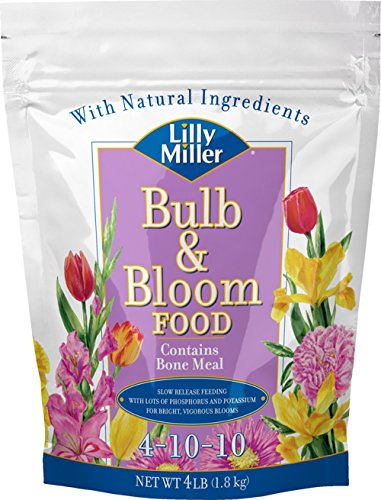
Product highlights: Lilly Miller’s Bulb & Bloom Food uses a 4-10-10 ratio to balance bloom energy with robust root growth. The product is described as slow-release, enabling steady nutrition for bulbs and perennials throughout the growing season. It is marketed as made in the United States, which some gardeners associate with quality consistency and accessibility to local retailers.
Why it fits bulbs: The high middle number (phosphorus) supports flower development, while potassium helps disease resistance and overall plant vigor. Slow-release mechanics align well with bulb life cycles that include dormancy periods and seasonal rest, ensuring nutrients are available when growth resumes in spring.
What to expect: fuller blooms and healthier root systems in bulbs like tulips, daffodils, and other spring favorites. This option also suits beds with mixed flora, offering a dependable feeding solution that won’t overwhelm delicate bulb roots.
Burpee Bone Meal Fertilizer

Product highlights: Burpee Bone Meal is an OMRI-listed organic fertilizer based on a phosphorus-rich formula, designed to promote strong root development and healthy bulb growth. It releases nutrients slowly, contributing to steady establishment and longer-term vigor. The product is positioned as a good soil amendment for flowering bulbs and related plantings.
Why it fits bulbs: Bone meal provides a readily available phosphorus source crucial for root formation and early flowering, making it especially valuable at planting time or for bulb beds that experienced prior nutrient gaps. Its slow-decomposition profile helps maintain soil structure and nutrient presence through critical growth phases.
What to expect: stronger root systems and resilient bulbs capable of supporting robust flowering. It pairs well with compost-enhanced soils and can be mixed into the planting hole or applied to topsoil at bulb clearance.
Jobe’s Organics Granular Bone Meal

Product highlights: Jobe’s Organics Granular Bone Meal is a 2-14-0 NPK fertilizer designed to support bulbs with a steady supply of phosphorus for root and bloom development. It is certified organic (OMRI listed) and formulated to reduce runoff and waste, making it suitable for sustainable gardening practices.
Why it fits bulbs: The high phosphorus content supports root establishment and robust blooms, while the absence of synthetic chemicals appeals to gardeners aiming for organic outcomes. The granule size helps with even distribution when mixing into soil at planting or top-dress applications in established beds.
What to expect: improved root health and bright, well-formed blooms across a variety of bulb types, with a focus on long-term soil quality and minimal environmental impact.
Down to Earth All Natural Rose & Flower Mix

Product highlights: Down To Earth’s All Natural Rose & Flower Mix is a 4-8-4 blend designed to support flowering plants, including bulbs, with a balanced approach to nutrient delivery. The mix is OMRI-listed and specifically noted as safe for organic gardens, making it compatible with a wide range of decorative bulb plantings and perennials.
Why it fits bulbs: The phosphorus level supports flowering, while the calcium and magnesium components contribute to soil structure and root growth. This product is suitable for beds as well as containers, offering versatility for both outdoor and indoor bulb displays.
What to expect: consistent bloom development and healthy foliage, especially in mixed plantings where bulbs share soil with ornamentals or perennials. Organic certification provides confidence for gardeners prioritizing sustainable practices.
Buying Guide
: For bulbs, phosphorus (middle number) supports root formation and flower development, while potassium supports vigor and disease resistance. A balanced 4-10-10 or 2-14-0 bone meal blend is a strong starting point for many bulb types. : Slow-release fertilizers reduce burn risk and provide steady nutrition through growth cycles. Liquid formulas act quickly and suit mid-season boosts or containers, but may require more frequent applications. : Organic options like bone meal or organic bulb toners support soil health over time and align with organic gardening practices. Synthetic blends often deliver precise nutrient ratios and faster results but may require more careful application to avoid salt buildup. : Planting time is ideal for pre-plant feeding in the hole, while post-bloom feeding can sustain established bulbs. Always follow label directions for application depth and water requirements to ensure nutrient availability without runoff. : Container plantings can dry out faster and may need more frequent nutrition. In soil beds, consider organic amendments mixed into the topsoil before planting to enrich root zones around bulbs. : Tulips, daffodils, crocuses, hyacinths, lilies, gladioli, and other bulbs have varied nutrient needs. A versatile, all-purpose bulb fertilizer is suitable for mixed beds, while dedicated bone meal or bespoke formulations may provide targeted benefits for specific varieties. : Choose products with minimal sludge and avoid ingredients that may pose environmental risks. OMRI-listed options are preferred for organic gardeners seeking certified suitability for organic gardens.
In practice, gardeners often combine a soil-building approach with targeted bulb feeding. Start with a base of a balanced, slow-release fertilizer at planting time, then add a light surface top-dress after bloom to sustain root activity through early summer. For containers, monitor moisture closely and adjust feeding frequency to match watering patterns. When choosing among the reviewed products, consider whether you favor organic inputs, the desired bloom intensity, and how you plan to care for bulbs across seasons.