Find the right fava bean seeds for a cool-season harvest with strong germination and reliable yields. This guide highlights five organic, non-GMO options suited for American home gardens, from small raised beds to larger plots. The selections emphasize adaptability, flavor, and ease of growing, plus practical tips for soil, spacing, and timing. Whether you’re new to fava beans or expanding an herbaceous veggie patch, these picks—chosen for reliability and organic integrity—help gardeners of all levels.
| Product | Best For | Key Benefit |
|---|---|---|
| Broad Windsor Fava Bean Seeds (Isla’s Garden Seeds) | Home gardeners seeking heirloom flavor | High germination and classic Broad Windsor flavor |
| Aquadulce Fava Bean Seeds (Isla’s Garden Seeds) | Raised beds and fall/spring planting | Cold-hardy, versatile for storage or fresh beans |
| Chinese Broad Bean Seeds (HipGirl) | Beginners and seasoned growers seeking a classic, large-bean harvest | Non-GMO, easy-to-grow heirloom variety |
| Aquadulce Fava Bean Seeds (Mountain Valley Seed Company) | Open-pollinated, open-use garden planting | Open-pollinated, reliable germination, suitable for microgreens |
| Crimson Flowered Fava Bean Seeds (Plant Good Seed) | Organic, ornamental flowers with edible beans | Germination-tested, organic and non-GMO |
Broad Windsor Fava Bean Seeds – Isla’s Garden Seeds

Brand: Isla’s garden seeds. Name: “Broad Windsor” Fava Bean Seeds for Planting, 25 Heirloom Seeds Per Packet. Non-GMO seeds with 95% germination and purity. Botanical name: Vicia faba. Uses: great for home gardens and giftable seed packets. Days to maturity: 70-90. Planting depth: 1”. Plant spacing: 4”. Row spacing: 18-24”. Growth habit: Upright.
Best for: This is ideal for gardeners who want a familiar, heirloom flavor and a compact packet size. It works well in standard garden beds and containers with adequate sun. Choose this if you value traditional fava flavor and reliable germination in a small-batch seed option.
Caution: Packet size is small; plan for multiple sowings if you need a larger harvest this season.
Aquadulce Fava Bean Seeds – Isla’s Garden Seeds

Brand: Isla’s garden seeds. Name: Aquadulce Fava Bean Seeds (Vicia faba) – 25 Non-GMO Heirloom Seeds. Cold-hardy broad bean suitable for fall and spring planting. Days to maturity: 70-90. Planting depth: 1”. Plant spacing: 4”. Row spacing: 18-24”. Growth habit: upright. Hardiness zones: 3-12 (multi-zone). Seed type: non-GMO, open-pollinated.
Best for: Gardeners in cooler climates who want a hardy, versatile fava that stores well and tolerates varying conditions. Choose this if you’re planting in raised beds or seeking a dependable, multi-season harvest.
Caution: The plant grows tall and may require support in windy areas or heavy bean loads.
Chinese Broad Bean Seeds (HipGirl)

Brand: HipGirl. Name: Bean Seeds for Planting Vegetables and Fruits. Non-GMO garden seeds. Features describe 40g (22 count+) Chinese broad bean seeds. Describes soybeans and broad beans in a compact package. Sowing instructions: 1″ deep, 4–6″ apart, rows 18–24″ apart; germination temp 59-68°F. Best for: Garden beginners and homes that want a quick, easy harvest with robust growth.
Best for: This option is useful for gardeners who prefer a compact seed count with clear spacing guidance. Choose this if you want a broad-bean option that thrives in cool weather and is easy to grow in early spring.
Caution: Data indicates a general broad-bean approach; verify seed size and germination expectations for your climate before planting.
Aquadulce Fava Bean Seeds – Mountain Valley Seed Company
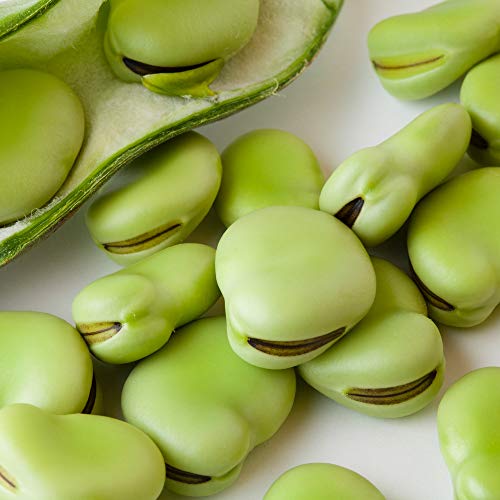
Brand: Mountain Valley Seed Company. Name: Aquadulce, 1 Lb (~240 Seeds) – Vicia faba. Non-GMO, heirloom, open-pollinated. Suitable for microgreens and full harvest. Days to maturity: 70-90. Planting depth: 1”. Plant spacing: 4”. Row spacing: 18-24”. Growth habit: upright.
Best for: The large seed count makes this option well-suited for gardeners planning a larger crop or seed-saving goal. It’s a solid choice for open-pollinated variety enthusiasts and those seeking a robust, traditional broad bean.
Caution: Open-pollinated varieties can show more variability in seed characteristics across seasons; germination rates may vary somewhat by year and climate.
Crimson Flowered Fava Bean Seeds – Plant Good Seed

Brand: Plant Good Seed. Name: Organic Crimson Flowered Fava Bean Seeds for Planting. Heirloom vegetable with dark pink flowers. Pack includes minimum 7 seeds. Growth: 70 days spring, 240 days fall sowing. Certified organic, non-GMO, open-pollinated. All seeds germination-tested for viability.
Best for: Gardeners seeking an ornamental yet edible fava with unique crimson blooms and organic credentials. Choose this for a flowering cover crop that also yields edible beans.
Caution: Flower coloration may vary year to year; timing for fall sowing is significantly longer due to climate differences.
Buying Guide: Key Considerations For Organic Fava Bean Seeds
What climate and season are best for fava beans?
Fava beans are cool-season crops. Plant in early spring as soon as soil can be worked, or sow in late summer in mild climates for fall harvest. In regions with freezing winters, aim for spring planting and protect young plants from late frosts.
Germination and viability tips
Choose varieties advertised as non-GMO and heirloom for reliable germination. Soak seeds briefly before planting if soil is dry, and maintain consistent moisture after sowing. Expect germination within 7-15 days under typical conditions.
Soil and spacing guidance
Fava beans prefer well-drained soil rich in organic matter. Plant at 1″ depth with 4″ spacing in rows 18–24″ apart. Taller varieties may need support in windy locations. Mulching helps preserve moisture and control weeds.
Edible vs. cover crop considerations
Some fava varieties are dual-purpose, offering edible beans and soil nitrogen fixing. If you want soil benefits, select varieties marketed as nitrogen-fixing cover crops in addition to food beans. For edible harvests, pick compact or upright cultivars suited to your bed size.
Organic certification and seed integrity
Verify that seeds are certified organic and non-GMO when you prioritize organic cultivation. Open-pollinated and heirloom seeds often offer greater seed-saving potential, but may show variability year to year.
Spacing and harvest planning
Plan row spacing and trellising needs based on growth habit. Most fava beans grow tall and may require staking. Harvest beans in pods when pods are full for best flavor; pods may be tender earlier in cooler weather.
Choosing the right product for your needs
For small gardens or seed gift-giving, a compact packet with clear germination data is ideal. For larger plots or seed-saving goals, a 1 lb or bulk option provides more beans and consistency across seasons. Organic or heirloom labels help ensure alignment with sustainable gardening goals.
FAQ
- What is the best fava bean variety for beginners? – Varieties labeled as non-GMO and heirloom with straightforward spacing are generally easier for beginners, such as Broad Windsor or Aquadulce.
- Can fava beans be grown in raised beds? – Yes. Raised beds provide good drainage and can support healthy tall plants with proper spacing.
- When should I plant fava beans for a fall harvest? – In regions with mild falls, plant in late summer to early autumn, allowing seedlings to establish before cool weather.
- Do all fava beans fix nitrogen? – Most fava beans contribute to soil nitrogen, but the extent varies by variety and soil conditions.
- Are organic fava seeds open-pollinated? – Many are; check the product label to confirm organic, non-GMO, and open-pollinated status if you aim to save seeds.
- How many beans does a packet yield? – Seed counts vary by packet; refer to the product description for seed quantity to estimate harvest potential.