Looking to create a private, leafy refuge quickly? The following five fast-growing evergreens and deciduous shrubs offer dense foliage, year-round interest, and low maintenance. Ranging from boxwood to viburnum and evergreen yew varieties, they suit a variety of climates and landscaping needs. This guide highlights each plant’s growth rate, sun tolerance, and ideal uses for hedges, borders, and privacy screens.
Summary of chosen products:
| Product | Type | Best Use | Growth Rate | Sun |
|---|---|---|---|---|
| Blooming & Beautiful Sprinter Boxwood | Boxwood | Low Hedge / Privacy | Fast | Full sun to partial |
| PERFECT PLANTS Sweet Viburnum Shrub (3 gal) | Viburnum | Privacy Hedge | Fast | Full sun to partial |
| Podocarpus Japanese Yew | Podocarpus | Tall Screen | Fast | Full sun to partial |
| Thuja Green Giant | Thuja | Tall Privacy Screen | Very Fast | Full sun |
| Burford Holly | Ilex Cornuta | Dense Hedge | Fast | Full sun to partial |
Sprinter Boxwood Privacy Hedge

Sprinter Boxwood is an evergreen shrub with glossy green foliage that maintains visual interest year-round. This improved, fast-growing form of boxwood fills in quickly, making it a solid choice for hedges, edging, or low privacy screens in formal gardens. It also adapts well to container planting, offering landscaping flexibility for patios and entrances. Some shipments to certain states may be restricted due to local regulations.
PERFECT PLANTS Sweet Viburnum Shrub (3 Gal)

This sweet viburnum shrub features spring blooms and fragrant flowers that attract pollinators while providing a rapid privacy screen. It thrives in zones 8-10 with heat and drought tolerance, making it ideal for southern landscapes. The fast growth rate helps establish a dense barrier quickly, creating an inviting, fragrant backdrop for patios and entryways.
Podocarpus Japanese Yew (2 XL 3 Gal)

Podocarpus Japanese Yew offers year-round visual appeal with lush, dark green foliage. Suitable for hedges, topiary, or standalone specimens, it thrives in full sun to partial shade and is adaptable to various garden designs. It combines fast growth with low-maintenance needs, making it a versatile option for privacy screens or decorative focal points in landscapes.
Thuja Green Giant Privacy Screen

The Thuja Green Giant is famed for rapid maturation into a tall, dense evergreen, forming a natural privacy barrier. It maintains rich green foliage year-round and works well for borders, windbreaks, or large backdrops in both residential and commercial landscapes. Its robust growth makes it a preferred choice where quick screening is essential.
Burford Holly Privacy Hedge
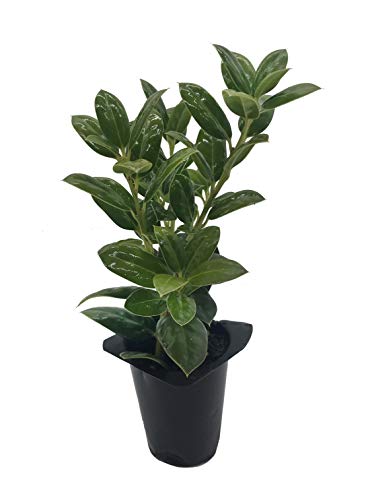
Burford Holly is an evergreen holly with glossy, dark green leaves that provide year-round beauty and density for privacy. In winter, it can display bright red berries, adding seasonal interest and attracting wildlife. Its dense growth habit makes it suitable for hedges or as a solitary specimen in mixed borders.
Buying Guide
- Climate and hardiness: Match plant selections to your USDA hardiness zone, sun exposure, and local weather patterns. Some varieties tolerate heat and drought better, while others prefer cooler, moist conditions.
- Growth rate and mature size: Consider your available space and desired privacy time frame. Very fast growers may require routine pruning to maintain shape and balance with surrounding plants.
- Soil and drainage: Most of these shrubs prefer well-drained soil. Amend heavy clay soils and ensure adequate drainage to prevent root rot and stress during wet periods.
- Maintenance needs: Evaluate pruning requirements, pest resistance, and fertilization needs. Some varieties are low-maintenance, while others respond best to regular shaping.
- Screen quality and aesthetics: Decide whether you want year-round evergreen foliage, seasonal blooms, or berries for wildlife. A mix of evergreen and flowering shrubs can extend visual interest through the seasons.
- Watering after installation: Water deeply during the first growing season to establish roots. Mulch can help retain soil moisture and suppress weeds.
- Placement considerations: Plant at recommended spacing to avoid overcrowding, ensure air circulation, and reduce disease risk. Taller screens should be planted behind lower hedges for layered privacy.