Looking for fast, low-maintenance plants that create an effective privacy screen? This article spotlights five top fast-growing shrubs and small trees that reliably form dense screens, windbreaks, and shade. The listed picks suit homeowners seeking year-round privacy, noise reduction, and yard division without heavy maintenance. Each product is described with who it’s best for, why it’s chosen, and a practical caveat to consider before purchasing.
Wax Myrtle | Myrica Cerifera — Florida Foliage

Best for: Home gardens needing year-round greenery with a drought-tolerant profile. Wax Myrtle provides aromatic evergreen foliage and acts as a natural screen or windbreak. It thrives in diverse soil conditions, making it versatile for front yards, borders, or restoration projects. The plant is fast-growing and suitable for quick privacy gains in landscapes with limited space.
Why selected: Its evergreen foliage ensures privacy in all seasons, and its adaptability makes it a reliable choice for a wide range of soils. If you want a fragrant hedge that remains green year-round, Wax Myrtle is a strong option.
Caution: Growth rate can vary with climate and irrigation; ensure your site receives adequate moisture in extreme heat to avoid slower expansion.
Wax Myrtle | Myrica Cerifera — Large Trade Gallon
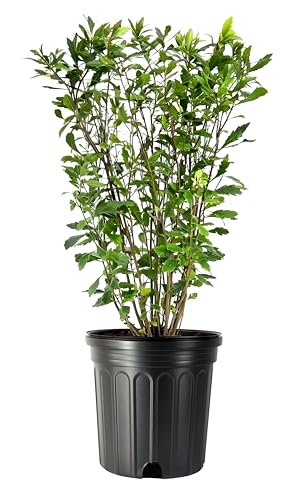
Best for: Established privacy hedges needing quick impact with a slightly larger starter plant. The larger trade-gallon size accelerates screening along borders or entryways. It’s suitable for established landscapes where rapid fill-in is desirable.
Why selected: The same evergreen and drought-tolerant traits, but the larger size provides quicker privacy. This option helps reduce visibility sooner in a space where immediate screening is a priority.
Caution: Larger plants require more root space and careful transplanting; ensure planting holes are wide enough and water deeply to establish.
Hybrid Willow Tree Plants — CZ Grain

Best for: Quick privacy hedges, wind blocks, and shade when you need a fast-coverage option that can also provide vertical screen height. This is ideal for larger yards or property lines where rapid visibility reduction is essential.
Why selected: The plants are described as fast-growing, with 12 feet per year potential and a natural, dense branch structure. They can be managed to form a wall-like hedge or kept taller for broader privacy.
Caution: High growth rate may require regular trimming to maintain shape and prevent overextension in small spaces.
Natural Privacy Fence — CZ Grain
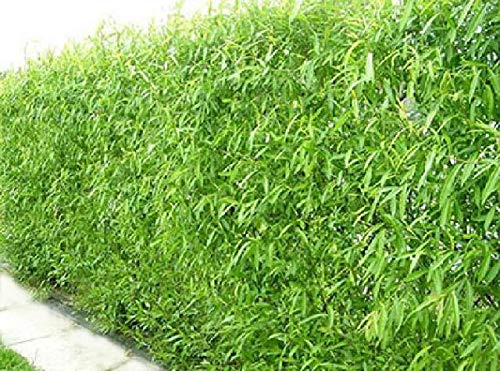
Best for: Immediate, dense privacy along larger stretches where multiple trees or cuttings are planted in a row. It’s designed for fast shading and screen formation, especially in open properties.
Why selected: It emphasizes rapid screening with readily planted willow cuttings, offering a quick route to privacy and shade across long borders or fences.
Caution: Growth speed can vary; maintain spacing and monitor water needs to ensure uniform coverage across the fence line.
KVITER Thuja Seeds — American Arborvitae

Best for: Planting a traditional evergreen privacy tree from seed, suitable for zones 3–7 and yards that prefer a solid evergreen screen with long-term structure. Good for frugal buyers who are comfortable growing from seed.
Why selected: The seeds are marketed for fast germination and adaptable growth, which appeals to buyers aiming for a scalable privacy screen with evergreen backbone.
Caution: Seed growth requires patience and steady care; germination takes time and successful establishment depends on soil and moisture consistency.
Cherry Laurel Hedge Plants — 6 to 12 Inches

Best for: Quick privacy hedges with glossy evergreen foliage, tolerating sun to partial shade. Great for filling gaps along borders and screening in smaller spaces while maintaining a neat look.
Why selected: Cherry Laurel is noted for dense growth and year-round privacy, providing a robust alternative to traditional hedging in compact designs.
Caution: With dense growth, pruning is needed to keep an even shape and to prevent crowding at the base, especially in tighter spaces.
Buying Guide — Fast Growing Privacy Plants
Before purchasing, consider these practical points to choose the best privacy plant for your yard:
- Growing conditions: Compare sunlight, soil type, moisture needs, and zone hardiness to match the plant to your site.
- Screen height and density: Determine how tall and dense you want the screen to be within a given timeframe. Some species reach height quickly but may need pruning to maintain shape.
- Maintenance level: Some options require ongoing pruning, irrigation, or soil amendments. Choose a plant that aligns with your maintenance capacity.
- Longevity and structure: Evergreen species provide year-round privacy, while deciduous options may offer seasonal coverage. Consider long-term landscape planning.
- Space and root considerations: Plants with aggressive root systems or large mature sizes require more space and proper root barriers in tight lots or near foundations.
How to Plant For Best Privacy Results
- Space plants according to mature width to avoid crowding.
- Prepare soil with compost and ensure good drainage for healthy root establishment.
- Water consistently during establishment, then taper as the roots take hold.
- Prune annually to shape and encourage dense growth, especially for hedges and borders.
Maintenance Comparison
| Plant | Best Use | Maintenance Level | Expected Growth Pace |
|---|---|---|---|
| Wax Myrtle (Florida Foliage) | Evergreen privacy screen | Low to moderate | Fast |
| Hybrid Willow | Quick privacy hedge | Moderate | Very Fast |
| Naturally Planted Privacy Fence (Willow Cuttings) | Long privacy row | Moderate | Fast |
| Thuja Seeds (Arborvitae) | Evergreen privacy trees | Moderate | Moderate to Fast (with time) |
| Cherry Laurel Hedge | Dense evergreen screen | Moderate | Fast |
FAQ
- What is the fastest way to establish a privacy screen? Choose evergreen shrubs or fast-growing hybrid species and plant in a dense, evenly spaced row with regular watering during establishment.
- Are these plants suitable for small yards? Yes, many options come in various sizes or can be pruned to maintain compact shapes, but confirm mature width before planting near structures.
- Do these plants tolerate drought? Some, like Wax Myrtle, are drought-tolerant, but most will benefit from consistent moisture, especially in dry climates during establishment.
- Can I use seeds to start an arborvitae privacy screen? Yes, seeds like KVITER Thuja can form trees, but expect longer time to maturity and stronger germination care.
- Which plant is best for year-round privacy? Evergreen varieties such as Wax Myrtle, Arborvitae, and Cherry Laurel maintain foliage year-round, offering continuous screening.
- What maintenance is required after establishment? Regular pruning to maintain shape and density, plus ongoing irrigation in dry periods to support continued growth.
Summary Of Top Picks
| Product | Why It’s a Good Privacy Pick | Best For |
|---|---|---|
| Evergreen, aromatic foliage; drought-tolerant | Year-round privacy and scent | |
| Faster fill-in with larger starter | Quick screening along borders | |
| Very fast growth; tall, dense screen | Large yards needing rapid privacy | |
| Multiple cuttings for long privacy lines | Row privacy and shade | |
| Evergreen backbone; growth from seed | Long-term, scalable privacy |