Direct answer: these fast-growing corn seeds deliver reliable sprouting, strong stalks, and quick harvest windows for home gardeners. They’re suitable for different garden sizes and climates, from warm-season beds to cooler regions. The top picks emphasize open-pollinated heirlooms for flavor and steady yields, alongside hybrids for quicker maturity. This guide highlights five seeds ideal for busy gardeners who want sweet, dependable corn with straightforward planting and harvest timelines.
Best for quick harvest and traditional flavor — Old Farmer’s Almanac Golden Bantam. Best for beginner-friendly growing in warm weather — HOME GROWN Golden Bantam. Best for compact spaces with reliable early yields — Isla’s Garden Early Sunglow. Best for dual yellow-and-white kernels and mid-season maturity — Seed Needs Peaches & Cream. Best for abundant, sweet ears and clear instructions — Burpee Sweetness.
| Product | Type | Maturity Window | ||
|---|---|---|---|---|
| The Old Farmer’s Almanac Heirloom Golden Bantam | Open-pollinated | 75-90 days | Flavorful, reliable warm-season garden | Non-GMO, USA origin |
| HOME GROWN Golden Bantam | Open-pollinated | 65-95 days | Beginner-friendly, cool-to-warm climates | 100+ seeds per packet |
| Isla’s Garden Early Sunglow | Hybrid | 60-70 days | Very early harvest, tall-yet-compact stalks | Golden ears, vibrant color |
| Seed Needs Peaches and Cream | Hybrid | 80-90 days | Dual-color kernels, shorter growing season | Hybrid, non-GMO |
| Burpee Sweetness | Hybrid | 72 days | Early sweetest ears | 200 seeds per packet |
The Old Farmer’s Almanac Heirloom Golden Bantam Seeds

Open-pollinated Golden Bantam sweet corn is a classic choice for warm-season gardens. This variety tends to perform well in temperatures between 75°F and 90°F. Each ear typically fills with plump, bright yellow kernels that deliver a sweet, savory flavor. It’s well suited for growers who prefer heirloom genetics and a traditional corn-on-the-cob experience. Harvest is best when ears turn dark green, silks brown, and kernels plump with milk-like juice. Non-GMO and USA-origin, packaged for gifting or storage.
Who it’s best for: home gardeners who value flavor fidelity and a reliable open-pollinated option. Why selected: strong performance in warm weather and a storied heirloom line. Caution: open-pollinated crops can cross-pollinate if grown near other corn varieties, so space accordingly to maintain seed purity.
HOME GROWN Golden Bantam Sweet Corn Seeds

This seed packet offers a robust starter kit for home gardens. Each packet contains 100+ Golden Bantam seeds, a beloved heirloom kept alive by growers who appreciate dependable germination and classic sweetness. It’s designed for a broad range of zones (USDA 3-11) and thrives in full sun with well-drained soil. Mature plants reach up to about six feet tall with ears that deliver tender, flavorful kernels. Direct sowing is practical, and the variety is generally forgiving for beginners.
Who it’s best for: early-season planners and novice gardeners seeking a simple, forgiving corn variety. Why selected: generous seed count and broad climate adaptability. Caution: performance can vary with overly wet soils; ensure good drainage to avoid kernel molding or poor germination in damp spots.
Seed Needs Peaches and Cream Sweet Corn

Peaches & Cream combines yellow and white kernels for a dual-flavor experience. This hybrid matures in roughly 80 to 90 days, making it a solid option for regions with moderate growing seasons. For best pollination, plant in blocks rather than long single rows, ensuring at least four rows to improve cross-pollination. Seeds are non-GMO, designed to deliver reliable emergence and steady ears during summer.
Who it’s best for: gardeners who want a quick, mid-season hybrid with a mixed-kernel aesthetic. Why selected: relatively early maturity with straightforward cross-pollination strategies. Caution: as a hybrid, saved seed may not reproduce the same way in the next generation; plan to buy fresh seed each season if preserving seed stock.
Isla’s Garden Seeds Early Sunglow Yellow Sweet Corn

Early Sunglow is prized for its early maturity and bright golden ears. Plants typically reach four to six feet in height, producing six-to-seven inch ears with a sweet, classic corn flavor. Maturity ranges around 60 to 70 days, making it appealing for gardeners seeking an accelerated harvest window. It performs well in full sun with fertile, well-drained soil and is suitable for garden rows, raised beds, or compact spaces.
Who it’s best for: gardeners who want a very early harvest with reliable color and sweetness. Why selected: short time to maturity paired with a reliable, upright growth habit. Caution: some climates may require extra attention to irrigation during peak heat to maintain kernel sweetness.
Sow Right Seeds Bantam Sweet Corn
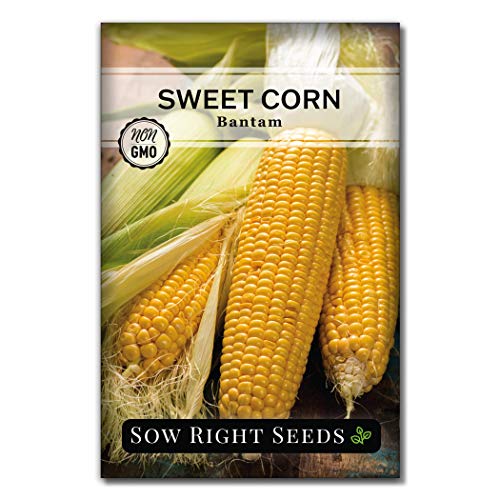
The Bantam Sweet Corn from Sow Right Seeds offers large, premium seed packets with open-pollinated kernels that often yield two or more ears per stalk. Kernels are golden and well-suited for home gardens. The package emphasizes germination within 7-14 days under conditions of 65-75°F soil temperatures and full sun. Plants reach 20-24 inches with a spread of 6-12 inches, maturing in roughly 60-100 days depending on conditions.
Who it’s best for: small to medium garden plots where compact plants maximize yield per square foot. Why selected: good germination timing and multi-ear potential per stalk. Caution: as with many compact varieties, spacing and pollination are key to obtaining full ear development in windy or crowded sites.
Burpee Sweetness Sweet Corn Seeds

Burpee’s Sweetness seeds emphasize exceptionally sweet ears with an early harvest. Each packet includes 200 seeds, offering a generous supply for larger gardens or multiple plantings. Typical guidance suggests sowing after the last frost and anticipating harvest in about 72 days. This variety is well-suited for home cooks who want reliable corn for fresh eating and a straightforward growing process.
Who it’s best for: gardeners seeking a high seed count with early sweetness. Why selected: strong price-to-seed ratio and dependable early maturity. Caution: high seed count can lead to crowding if not properly spaced; planrows to avoid competition for nutrients and pollination.
Buying Guide: Key Purchase Considerations
Choosing the right fast-growing corn seed depends on climate, space, and taste preferences. Here are practical considerations to guide your decision:
- Maturity and climate fit: If you’re in a shorter growing season or cooler climate, prefer early hybrids like Early Sunglow or compact varieties that mature in 60–70 days. For warm-season warmth, open-pollinated Golden Bantam lines provide steady results in 75–90 days.
- Pollination strategy: Corn requires wind pollination. Plant in blocks rather than single rows to improve kernel development, especially for hybrid varieties where seed saved may not reproduce true to type.
- Kernels and flavor: Heirlooms typically deliver richer flavors and traditional textures, while hybrids may emphasize uniform ears and predictable sweetness. Decide whether flavor or reliability takes priority.
- Seed quantity and garden size: Larger seed packets are useful for bigger beds or multiple plantings. Compact varieties work well in raised beds or small spaces without crowding.
- Growth conditions: Ensure full sun, consistent moisture, and well-drained soil. Some varieties tolerate wider ranges of temperatures; others need warm soil to germinate promptly.
Frequently Asked Questions
- What is the best corn seed for beginners?
Open-pollinated varieties like Golden Bantam are forgiving and easy to grow, making them beginner-friendly.
- How long does it take for fast-growing corn to mature?
Most fast-growing seeds range from about 60 to 90 days to maturity, depending on the variety and climate.
- Should I save seeds from hybrid corn?
Saving seeds from hybrids is not recommended if you want the same traits next season; hybrids often don’t breed true to type.
- Is early maturity always better?
Early maturity helps in shorter growing seasons, but flavor and kernel texture vary between varieties. Choose based on your climate and culinary goals.
- Do I need to plant multiple rows for good pollination?
Yes. Plant in blocks of several rows to maximize cross-pollination and yield, especially for varieties that rely on precise kernel development.