Fabric grow bags are a popular choice for gardeners seeking better root development and improved drainage. The following selections focus on thickened nonwoven fabrics, reinforced handles, and breathable designs that promote air pruning and healthier growth. Read on to compare options from trusted brands and find the right bags for your space and plants.
Summary table of selected products (for quick reference):
| Product | Size / Capacity | Material | Brand |
|---|---|---|---|
| VIVOSUN 5-Pack 5 Gallon Grow Bags | 5 gal | 300g thickened nonwoven fabric | VIVOSUN |
| VIVOSUN 5-Pack 3 Gallon Grow Bags | 3 gal | 300g thickened nonwoven fabric | VIVOSUN |
| VIVOSUN 5-Pack 10 Gallon Grow Bags | 10 gal | 300g thickened nonwoven fabric | VIVOSUN |
| Gardzen 6-Pack 30 Gallon Grow Bags | 30 gal | Non-woven fabric | Gardzen |
| Gardzen 20-Pack 10 Gallon Grow Bags | 10 gal | Non-woven fabric | Gardzen |
VIVOSUN 5-Pack 5 Gallon Grow Bags

These pots use thickened nonwoven fabric, rated at 300 grams, which provides moderate permeability and BPA-free construction. The design supports healthy drainage, helping roots breathe and reducing water retention. Reinforced handles with serger stitching distinguish these bags from lighter, single-stitch options, making them easier to move when soil is loaded.
Key considerations include durability for long-term reuse and how the fabric balance promotes air pruning. For shrubs or larger herbs, the 5-gallon size offers substantial soil volume while remaining portable. The nonwoven material resists tearing under typical garden use, and the fabric’s breathability supports robust root systems. If you plan to pot multiple plants or rotate crops, this pack provides a consistent baseline choice.
VIVOSUN 5-Pack 3 Gallon Grow Bags

This set mirrors the 5-gallon version in fabric quality and construction, but in a smaller 3-gallon footprint. The thickened 300g nonwoven fabric supports efficient drainage and aeration, which helps prevent root circling and promotes vigorous top growth. Heavily rooted herbs, lettuces, and compact vegetable starts often thrive in this size, especially when space is limited.
Manufacturing details emphasize durability with reinforced handles—serger-stitched to resist wear when carrying full soil. Gardeners evaluating containers for balcony or patio setups may appreciate the compatibility with trellising or vertical space. For crop rotation or seasonal planting, these bags offer a compact, economical option without sacrificing root health.
VIVOSUN 5-Pack 10 Gallon Grow Bags

The 10-gallon option expands the same fundamental design principles—thickened nonwoven fabric, good drainage, and reinforced handles—into a larger volume for bigger plants and longer root systems. This size is well-suited for larger tomatoes, peppers, or sprawling herbs. Breathability remains a core feature, helping prevent root circling and encouraging a strong root ball. The combination of space and airflow can result in faster establishment and healthier overall growth in container gardens.
Users should consider spaced planting strategies to maximize the available soil volume. These bags also pair well with organic amendments and compost-rich mixes, which benefit from the sturdy fabric allowing consistent moisture movement. If you anticipate frequent plant moves, the larger handles and sturdy construction help maintain stability during transport.
Gardzen 20-Pack 10 Gallon Grow Bags

Gardzen’s 20-pack emphasizes durability and reuse with a thick, breathable nonwoven fabric and robust handles. The 10-gallon size is ideal for larger container gardens, including fruiting plants and perennials. The fabric’s aeration reduces the risk of waterlogged roots while maintaining strong soil integrity. The kit’s abundance makes it suitable for scaling up a raised bed or seasonal plantings without buying multiple single packs.
Consider that thicker fabric yields longer life but may require slightly more storage space when not in use. Gardzen also highlights BPA-free sourcing and environmental considerations, aligning with sustainable gardening practices. For growers experimenting with crop diversity, this pack offers flexibility to allocate space across several plant types while maintaining consistent root health across containers.
Gardzen 6-Pack 30 Gallon Grow Bags

This larger option targets growers with extensive space or those planning high-volume crops. The 30-gallon bags offer substantial soil capacity while maintaining air-pruning benefits. The nonwoven fabric and reinforced stitching help manage heavier soil loads, and the breathable design supports rapid root expansion without waterlogging. A practical choice for herb, vegetable, or ornamental plant projects that demand bigger containers without sacrificing root vigor.
When selecting large grow bags, consider wind exposure and anchoring needs, as bigger bags can act like sails in gusty conditions. The added volume also means more soil and fertilizer will influence moisture retention, so routine monitoring remains important. The combination of durability and airflow makes this a solid option for serious container gardeners seeking long-term reuse.
AC Infinity Heavy Duty Fabric Pots (optional reference)
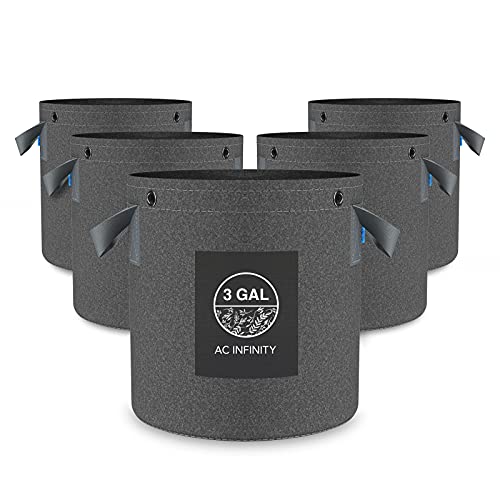
AC Infinity’s line mirrors the emphasis on thick nonwoven fabric and reinforced construction. While not included in the primary five-pack selection, it represents a comparable category offering similar benefits: air pruning, robust durability, and multi-purpose rings for support. Gardeners evaluating alternatives may weigh these factors when comparing bag systems for specific setups, such as support structures or trellising needs.
Buying Guide: Key Purchase Considerations For Fabric Grow Bags
- Fabric thickness and material: Look for 300g or thicker nonwoven fabric for durability and consistent air flow. Thicker fabrics tend to last longer and resist tearing, especially under heavy soil and frequent repositioning.
- Drainage and aeration: Ensure the design promotes good drainage and root air circulation to prevent waterlogging and root circling. Breathable fabrics support a healthy root system and faster growth.
- Handles and durability: Reinforced, securely stitched handles are essential for moving full bags. Serger stitching or double-stitching adds reliability when transferring soil and plants.
- Size range and versatility: Choose sizes that fit your available space and plant variety. A mix of 3–5 gallon bags suits small herbs, while 10–30 gallon options work for larger vegetables and perennials.
- Reuse and maintenance: See whether bags are washable or easily wipe-cleanable. Reusability lowers long-term costs and supports sustainable gardening practices.
- Weight and portability: Larger bags hold more soil and moisture, which increases weight. Consider the weight you can safely manage and how easily you’ll move containers within your space.
- Environmental and safety considerations: BPA-free materials reduce chemical exposure to plants and soil. Look for durable construction designed for multiple seasons.
- Budget and quantity: Packs vary widely in price based on size and quantity. A balance between unit cost and total project needs helps optimize investments.
- Maintenance and care: Some fabrics tolerate washing or air-drying; others should be stored dry to prevent mold. Plan for seasonal storage when not in use.
Additional tips for optimizing fabric grow bags
- Combine different sizes in a single container garden to accommodate plant growth patterns and root expansion.
- Use high-quality potting mix or compost blends to maximize soil structure and drainage within fabric bags.
- Position bags where they can receive adequate sunlight and protection from strong winds to preserve bag longevity and plant health.
- Rotate crops yearly to sustain soil fertility and reduce pest buildup in containers.