Efficient cattle management depends on a reliable electric fence energizer. The best electric fence boxes balance yard durability, animal safety, and ease of use while performing under varying weed and weather conditions. This guide highlights five high-value options suitable for mid to large properties, including AC-powered and solar chargers. Each pick is evaluated for fencing type compatibility and performance in challenging conditions to help you protect livestock and deter predators without constant supervision.
Summary Of Chosen Products
| Product | Brand | Range (miles) | Power Type | Key Benefit |
|---|---|---|---|---|
| 200-Mile AC-Powered Low Impedance Electric Fence Charger | Zareba | Up to 200 miles (ideal); up to 50 miles heavy weeds | AC | Most powerful option for large properties |
| 100 Mile AC Powered Low Impedance Electric Fence Charger | Zareba | Up to 100 miles (ideal); up to 12 miles heavy weeds | AC | High coverage with reliable performance |
| 50 Mile AC-Powered Low Impedance Electric Fence Charger | Zareba | Up to 50 miles (ideal); up to 6 miles heavy weeds | AC | Balanced option for midsize properties |
| 25 Mile AC Powered Low Impedance Electric Fence Charger | Zareba | Up to 25 miles (ideal); up to 6 miles heavy weeds | AC | Compact, versatile for varied fencing |
| ANDMON MINI400 Solar Electric Fence Charger | ANDMON | Up to 30 miles | Solar | Day/night mode with flexible installation |
Zareba 200-Mile AC-Powered Low Impedance Electric Fence Charger

The 200-Mile charger is designed for expansive operations, delivering high output across long fence lines. Its low impedance design ensures efficient energy transfer, which helps maintain fence voltage even in adverse conditions. Ideal for cattle-heavy farms needing broad perimeter protection, this unit is positioned as a top-tier option for large properties with diverse fencing layouts.
Key features include a very broad ideal-range, capability to cover fences up to 200 miles under clean conditions, and a robust build suitable for farm environments. Heavy weed auditing is supported with reduced performance noted in extreme weed density, so compatibility with weed management practices is important for sustained effectiveness.
Zareba 100 Mile AC Powered Low Impedance Electric Fence Charger

This 100-mile charger provides a strong mid-to-large property solution with similar low-impedance efficiency. It performs well across different fence types, including high tensile, polywire, and polytape systems. Its mid-range capacity makes it a reliable choice for farms that require substantial, yet not overwhelming, fencing coverage in varying weed conditions.
In heavy weed scenarios, the unit supports a practical reach, while continuing to deliver consistent pulse energy for cattle containment and predator deterrence. Proper weed control and fence upkeep will maximize its effectiveness over time.
Zareba 50 Mile AC-Powered Low Impedance Electric Fence Charger

The 50-mile charger offers a practical balance of power and size for mid-sized operations. It supports all fence types and maintains effective energizing performance in standard conditions. In low weed or weed-free environments, it can energize closer to its maximum range, which is useful for establishing perimeter boundaries around large cattle herds.
Operators should consider weed management to maintain peak performance. The unit’s straightforward installation and compatibility with common fencing materials simplify integration into most existing layouts.
Zareba 25 Mile AC Powered Low Impedance Electric Fence Charger

The 25-mile model provides essential capacity for smaller cattle operations or as a supplementary feeder fence charger for larger properties. It supports all fence types and remains dependable in light to moderate weed conditions. Its compact size can simplify installation on portable or temporary fences used during rotational grazing or fence line expansions.
For best results, pair this unit with routine fence maintenance and check voltage along the fence lines to ensure cattle remain contained without gaps.
Electric Fence Charger AC Powered 100 Miles 300 Acres (L-FENCE LYDITE FENCE)

This charger provides extensive coverage suitable for large ranches needing to electrify up to 100 miles under ideal conditions and up to 300 acres of fenced area with robust pulse energy. It is designed with a durable casing, a built-in lightning arrester, and mounting flexibility for stake posts or T-posts. High security and reliability are emphasized across testing scenarios, making it a compelling option for long-term livestock protection.
ANDMON MINI400 30 Miles Solar Electric Fence Charger
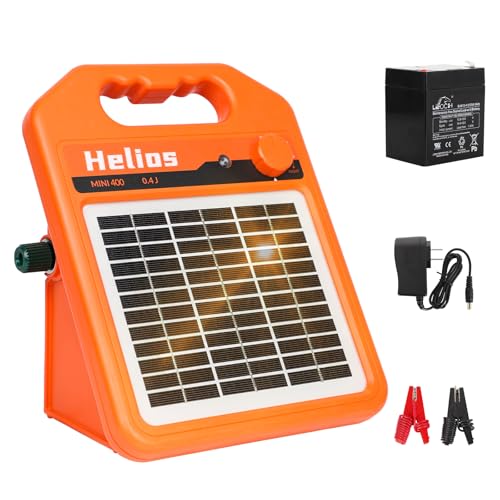
The MINI400 solar charger combines low-impedance output with a solar power source, suitable for remote pastures or off-grid operations. It provides up to 30 miles of fencing capability and features day/night pulses to optimize efficiency. The unit supports dual power options, enabling DC charging when solar input is insufficient, and is designed for easy installation on standard posts. It suits farms seeking energy independence and reduced electrical infrastructure needs.
Buying Guide: Key Purchase Considerations
Choosing the right electric fence charger for cattle requires weighing several factors. Here are the main considerations to ensure you select a unit that matches your farm’s size, fencing type, and management practices.
- Property size and fence length: For large properties, prioritize higher mile ratings or scalable options. Smaller parcels can work with mid-range units that still deliver reliable containment.
- Fence type compatibility: Ensure the charger supports high tensile wire, polywire, and polytape. This broad compatibility simplifies integration across existing fence configurations.
- Weed and grass conditions: Performance declines in heavy weed or tall vegetation. Choose a charger with a favorable rating in weed-heavy scenarios or plan weed management strategies to maximize effectiveness.
- Power source and reliability: AC-powered chargers offer consistent output, while solar units provide off-grid flexibility. Consider climate, sun exposure, and the availability of electricity when choosing.
- Durability and weather resistance: Farm equipment endures weather and frequent handling. Look for rugged enclosures, surge protection, and lightning arresters for long-term use.
- Security and safety: Choose models with built-in surge protection, failsafe grounding recommendations, and clear installation guidelines to protect livestock without compromising safety.
- Maintenance requirements: Some models require more regular voltage checks and weed clearing. Factor in labor availability and fence layout complexity when deciding.
- Scalability: If you anticipate future expansion, select a charger with higher maximum output or easy upgrade paths to cover additional miles without replacing the unit.
- Warranty and service: A solid warranty and access to replacement parts help reduce downtime and total cost of ownership over time.
In sum, the best choice blends farm scale, fence type, and the preferred power source. For expansive cattle operations, high-capacity AC-powered chargers provide robust coverage, while solar options offer energy independence for remote pastures. Regular fence maintenance, including voltage checks and weed control, remains essential to sustain performance across all models.