Direct answer: for compact, arching beauty in small spaces, choose dwarf laceleaf weeping Japanese maples that fit your climate and sunlight. This guide focuses on five reliable options ideal for container or in-ground use, with attention to form, color, and growth to help you pick the best cultivar for your landscape. Each pick suits different sun exposure, climate zones, and maintenance preferences, making it easier to match with your yard and gardening style.
Buyer types this guide serves best:
– Small-space gardeners seeking graceful, cascading foliage.
– Landscape planners needing year-round color and texture.
– New trees owners wanting low-maintenance, zone-appropriate varieties.
– Enthusiasts who value rich seasonal color transitions and heritage cultivars.
| Product | Size / Form | Best For |
|---|---|---|
| Perfect Plants Tamukeyama Japanese Maple 1 Gallon | 1 Gallon, Dwarf Weeping | Patio or small garden with striking red laceleaf foliage |
| Red Laceleaf Weeping Japanese Maple Tamukeyama | Live Plant (variety mature form varies) | Drought-tolerant color and dramatic red fall tones in sunny spots |
| Weeping Green Laceleaf Japanese Maple Viridis | 3 Year Live Plant | Graceful green cascade for shaded borders or containers |
| Perfect Plants Tamukeyama Japanese Maple 4-5ft | 4-5ft Mature Dwarf | Statement focal tree with year-round red hues |
| Emerald Lace Green Laceleaf Weeping Japanese Maple | 2-Year Live Tree in Pot | Rapid, green cascading color for faster impact |
Perfect Plants Tamukeyama 1 Gallon Weeping Maple

The Tamukeyama laceleaf offers delicate, bright red new growth that deepens to crimson in summer, then returns to luster in fall. Best for zones 5 through 8, it adapts to cooler and milder climates with graceful form. This 1-gallon size suits containers or small beds, making it ideal for first-time owners or space-limited landscapes.
Who it’s best for: homeowners with limited garden space who want a standout dwarf tree that still shows seasonal color. Why chosen: compact form, iconic laceleaf texture, and well-rounded seasonal color progression. Caution: can be sensitive to overly hot afternoon sun in very hot regions; provide some shade during peak heat.
Red Laceleaf Weeping Japanese Maple Tamukeyama

This cultivar is noted for hot-humid climates where color retention remains strong. Its vigorous growth and bright scarlet fall color make it a striking focal point with a dramatic weeping habit. The plant thrives in sun to light shade, offering vibrant red tones across seasons.
Who it’s best for: gardeners in warmer, sun-drenched sites seeking bold red foliage year-round. Why chosen: exceptional color stability in hot climates. Caution: may require more water in extreme heat to maintain its vivid color.
Weeping Green Laceleaf Japanese Maple Viridis

Viridis emphasizes lush green laceleaf foliage with a graceful cascading habit. It’s a good choice for shaded or partly sunny areas where a cooler, verdant accent is desired. This cultivar adapts well to containers as a dramatic focal plant or as a border specimen.
Who it’s best for: garden spaces seeking a serene green cascade. Why chosen: fast-growing, low-maintenance, and versatile for various spots. Caution: best performance achieved with consistent moisture and protection from harsh afternoon sun in very hot climates.
Perfect Plants Tamukeyama Japanese Maple 4-5ft

This taller dwarf form brings a stately presence with the same laceleaf texture and red hues across seasons. Suitable for larger containers or landscape bed planting in zones 5–8, it provides strong seasonal color progression and a refined silhouette.
Who it’s best for: homeowners needing a more substantial focal point without sacrificing the laceleaf look. Why chosen: consistent Tamukeyama characteristics at a more established height. Caution: ensure adequate root space and wind protection to prevent branch damage in strong gusts.
Emerald Lace Green Laceleaf Weeping Maple
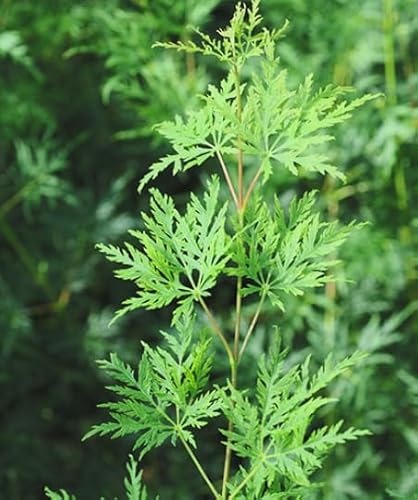
Emerald Lace is recognized as one of the fastest-growing green laceleaf varieties, delivering a lush, waterfall-like canopy. It ships as a two-year live tree in a pot, offering rapid landscape impact and a robust, arching form.
Who it’s best for: landscapers who want quick color and a strong structure. Why chosen: fast initiation of cascading form, ideal for instant garden drama. Caution: green foliage can be less showy in low-light situations; pair with lighting or contrast plants for best effect.
Buying Guide
What to consider when selecting a dwarf laceleaf weeping maple:
- Sun exposure: Some varieties tolerate full sun, while others prefer partial shade to protect vibrant leaf color from scorching.
- Climate and zone: Ensure the cultivar is rated for your hardiness zone (5–8 is common for Tamukeyama types) to guarantee winter hardiness and reliable leaf color.
- Growth habit and size: Decide between 1 gallon or multi-year live plants, and whether you want a compact or a taller dwarf form for your space.
- Soil and moisture: Most maples prefer well-drained soil; consistent moisture helps maintain the laceleaf texture and color, especially in container settings.
- Color stability: Red tones are striking but may fade in extreme heat; some cultivars maintain color better in hot climates.
- Container compatibility: Consider root space, pot size, and winter protection if placing in containers.
FAQs
Are dwarf laceleaf maples suitable for small gardens?
Yes. Dwarf laceleaf weeping maples are designed for compact spaces and containers while offering a dramatic, cascading habit.
Which cultivar has the brightest red color?
Red Laceleaf Tamukeyama varieties are known for strong red tones in spring and fall, especially in warmer sun.
Do these trees require a lot of maintenance?
Compared with larger maples, they are relatively low maintenance but benefit from consistent moisture and protection from harsh afternoon sun in extreme heat.
Can I plant them in containers long-term?
Yes, many laceleaf maples perform well in containers with proper soil, drainage, and winter protection.
Do these maples attract pests?
Standard garden care applies; monitor for common maples pests but these selections are not known for requiring unusual treatments.
These five selections provide a range of sizes, foliage colors, and climates to fit American yards. By focusing on dwarf laceleaf weeping maples, you can achieve a refined, year-round focal point with relatively straightforward care.
Key Purchase Considerations
- Site evaluation: measure space, sunlight, and wind exposure before choosing a cultivar.
- Watering plan: especially for newly planted maples, establish a consistent soil moisture routine.
- Mulching: mulch helps retain soil moisture and regulate root temperature.
- Protection: in cold winds or hot afternoon sun, use shade or windbreaks as needed.
- Long-term care: prune lightly to maintain laceleaf form and encourage balanced growth.