Looking to add edible tropical flair to your space? This guide highlights five top dwarf green banana tree options that are well-suited for home gardens, patios, and indoor spaces. Each pick is evaluated for ease of growing, space needs, and fruit potential. The best choice depends on your climate, pot size, and how you plan to use the plant—ornamental, edible yields, or a tropical focal point.
Summary table of selected products:
| Product | Best For | Key Benefit | Notes |
|---|---|---|---|
| Fam Plants Banana Tree Dwarf Cavendish (4 Pack) | Small-space growers | Four plants in one package | Great starter set for containers or garden beds |
| Wellspring Gardens Dwarf Cavendish Banana Plant | Indoor/outdoor versatility | Compact, well-documented care | Includes growth guidance and zones |
| YOKEBOM Dwarf Cavendish Starter Plant | Quick start for containers | Bareroot starter for fast growth | Beginner-friendly |
| Tropical Plants of Florida Dwarf Cavendish | Patio or balcony gardens | 28–38 inches tall, 3-gallon pot | Ready for in-ground or large container |
| Hello Organics Banana Plants (4-Pack) | Budget-friendly multi-pack | Four plants in tray pots | Good for creating a mini banana grove |
Fam Plants Banana Tree Dwarf Cavendish (4 Pack)

The Fam Plants Dwarf Cavendish four-pack is designed for gardeners who want multiple fruiting plants without buying individually. Best for small-space planters or a mixed container garden, this option supports self-sufficiency by letting you harvest organic bananas at home. It’s especially suitable for beginners who want a quick start with several plants at once.
Best for: Beginners and small-space growers who want quick, repeated fruiting potential or a fuller look in containers. This pack helps diversify your banana garden and increases the chances of seeing fruit in a single season.
Caution: As a starter collection, keep expectations aligned with container growth. Ensure adequate sunlight and consistent watering to support root development across all plants.
Dwarf Cavendish Banana Plant Live Tree – Wellspring Gardens

The Wellspring Gardens Dwarf Cavendish is a compact tropical option recommended for both indoor and outdoor settings. It reaches a mature height of 8–10 feet in ideal conditions but remains manageable in containers with proper pruning and care. The included care guidance emphasizes well-drained soil and quarterly to weekly feeding patterns depending on whether it’s in a pot or landscape bed.
Best for: Gardeners seeking a versatile dwarf banana that can adapt to indoor spaces or sheltered outdoor patios. It’s a solid pick for climates that rarely drop below freezing, and for those who want a visually striking tropical focal point.
Aim to avoid: Exposing the plant to freezing temperatures (below 35°F) to prevent damage. Indoor growers should tailor fertilization to container needs to maintain healthy growth.
Dwarf Cavendish Banana Tree Live Plant – YOKEBOM

The YOKEBOM Dwarf Cavendish live plant offers a compact tropical option suited for container gardens and small yards. It grows to a manageable height while still producing full-sized fruit when provided with ample light and warmth. This plant’s bareroot status means quicker establishment but requires attentive watering until roots settle in the new potting mix.
Best for: Home gardeners who want a faster start in a small space and are prepared to provide bright light and steady moisture. It’s a good choice for patios or sun-lit balconies where vertical space is at a premium.
Caution: Bareroot plants can experience transplant shock if moved into inconsistent conditions. Gradually acclimate to outdoor conditions if transitioning from indoor setting.
Tropical Plants of Florida Dwarf Cavendish Banana Tree

This Florida-grown Dwarf Cavendish is designed for patio or garden use with an emphasis on edibility and ornamental value. Arriving 28–38 inches tall in a 3-gallon nursery pot, it’s ready for in-ground planting or large containers. The variety is known for its tropical foliage and potential fruit production in suitable climates.
Best for: Patio enthusiasts and tropical garden lovers who want a ready-to-lift plant with substantial visual impact. Suitable for larger containers and semi-private outdoor spaces where warm temperatures persist.
Limitation: In cooler zones, plant may require winter protection or indoor overwintering to prevent frost damage.
Dwarf Cavendish Banana Tree Starter – YOKEBOM

This YOKEBOM starter offers a bareroot setup with a 5-inch height, designed for rapid establishment. It accommodates a broad hardiness range and prefers full sun with well-draining soil. The plant’s compact size makes it an ideal starter for users focused on space efficiency and fruit potential in warm climates.
Best for: Growers who want a compact plant with straightforward sun and soil needs. Choose this if you’re ready to provide consistent sun exposure and well-draining soil for thriving growth.
Caution: Cold or poorly draining conditions can slow growth or injure roots. Monitor moisture to avoid root rot in container setups.
Banana Plants Dwarf Cavendish Includes Four (4) Plants
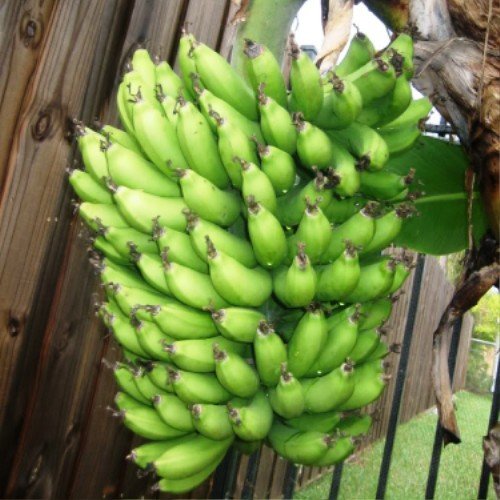
This four-plant package from Hello Organics provides multiple 2-inch rooted potted plants, suitable for creating a small grove or buffer in a garden bed. The Dwarf Cavendish variety is historically recognized for its tall habit and edible fruit, making this option attractive for budget-conscious buyers seeking a higher number of plants in one purchase.
Best for: Budget-conscious buyers who want to establish a mini banana grove or fill a larger container with multiple plants. It’s a practical way to maximize planting density and potential yields over time.
Limitation: Plants are small at shipment (3–6 inches tall), so patience and careful care are needed to reach fruiting size. Substantial growth will occur with proper care and space.
Buying Guide: Dwarf Dwarf Banana Trees for Home Growth
What to consider before buying a dwarf banana tree:
- Climate compatibility: Ensure your region’s temperatures and chill hours support fruiting or sustained growth. Some cultivars tolerate cooler nights better than others.
- Container versus in-ground: Decide whether you want an indoor-friendly plant or a patio/garden specimen. Container choices require well-draining soil and regular feeding.
- Light requirements: Most banana plants need full sun to partial shade. More light generally supports better growth and fruiting potential.
- Water and soil: Banana plants prefer consistently moist soil but not waterlogged. Rich, well-draining potting mix is beneficial for container growth.
- Fertilization: A balanced fertilizer with higher potassium supports fruiting. Follow product-specific guidelines to avoid leaf burn or slowed growth.
- Maintenance: Pruning and repotting as the plant grows helps manage height and promotes robust root systems. Monitor for pests and diseases common to tropical species.
Frequently Asked Questions
- Are dwarf banana trees easy to care for at home? Yes, with adequate sunlight, warmth, and proper watering, many dwarf varieties can thrive in containers or small yards.
- Can I grow a banana tree indoors? Yes, in bright indoor light and with regular feeding and humidity considerations, some varieties perform well indoors.
- Do dwarf banana trees produce fruit in pots? Fruit production is possible in pots if the plant receives sufficient light, irrigation, and proper nutrition.
- What size container should I use for a dwarf Cavendish? Start with at least a large pot (at least 12–15 gallons) to accommodate root growth, upgrading as the plant grows.
- How often should I fertilize banana plants in containers? Typically every 2–4 weeks during the growing season, with adjustments for indoor versus outdoor conditions.
- What are common issues to watch for? Yellowing leaves, brown leaf tips, slow growth, or poor fruit set can indicate nutrient gaps, improper watering, or pest pressure.