Looking for a drum roller to flatten soil, improve seed-to-soil contact, and create a smooth, even lawn surface? This guide selects five top drum rollers that balance weight, ease of use, and durability for homeowners, small farms, and maintenance crews. Each option is suited to different spaces and tasks—from compact lawns to larger yards and turf fields. Read on to compare capabilities, best-fit scenarios, and practical caveats to help you choose the right tool for your lawn care routine.
Buyer summary table
| Product | Best For | Weight / Capacity | Notes |
|---|---|---|---|
| VEVOR Lawn Roller | Small to medium yards, easy storage | 61 L drum (sand or water) | Wall-mountable; durable drum |
| Agri-Fab 45-0606 | Tractor-tulled yards; even spreads in wide swaths | 400 lb with water | Open-frame for easy cleaning |
| VINGLI Lawn Roller | User-friendly for varied terrains | 16 gallon capacity | Comfortable U-handle |
| ARNOT 12×36-Inch | Customizable weight for different soils | 63 L / 17 gal | Adjustable weight |
| Goplus Lawn Roller | Versatile push/pull/tow tasks | 17 gallons | Powder-coated steel; good tilt |
VEVOR Lawn Roller With 61L Drum

The VEVOR lawn roller uses a 61-liter drum that can be filled with sand or water to create the needed weight for soil compaction. Best for homeowners with smaller to mid-sized lawns who want a straightforward, push-style roller that’s easy to store, including wall-mount capability for a shed or garage. The thick, high-carbon steel drum and rust-resistant coating contribute to durability, while a sealed bearing system reduces maintenance needs. Use this roller when you want reliable compaction without heavy towing equipment.
Who this is best for: homeowners seeking an affordable, compact option for occasional use and easy storage. Why chosen: straightforward design, solid durability, and good balance between ease of use and weight. Limitation: while effective for leveling, its 61L drum may require more passes on very large areas compared with heavier models.
Agri-Fab 45-0606 18″ x 36″ Lawn Roller

The Agri-Fab roller is a tow-behind unit with a 400-pound capacity when filled with water, featuring a poly drum and a steel frame. Its 18-inch by 36-inch footprint makes it suitable for larger lawns and garden areas, especially when paired with a compatible garden tractor. Best for: medium to large lawns where a wide rolling swath speeds up the process. Better for: users who already have tractor or ATV towing capability. Caution: handle with care during transport to avoid tipping, and ensure the hitch is properly secured before use.
VINGLI Lawn Roller

The VINGLI model uses a 16-gallon capacity and a sturdy steel drum designed to resist bending and denting. It’s configured for both push and tow use, enabling flexibility in smaller yards or tight spaces where a wider roller isn’t practical. Best for: homeowners who need a versatile, light-to-moderate-weight roller for varying lawn sizes. The rounded drum ends reduce turf damage during turns. Limitation: 16 gallons means lighter weight than some 270+ pound options when filled with water.
ARNOT 12×36-Inch Lawn Roller
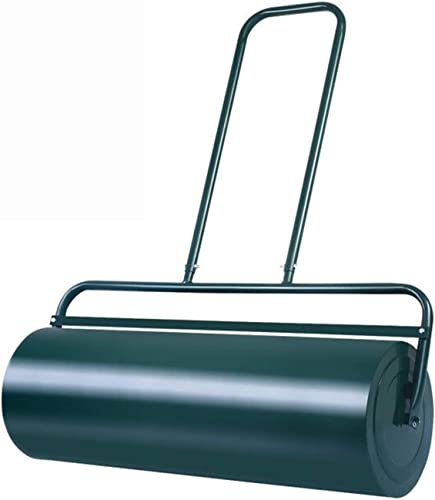
The ARNOT roller features adjustable weight through a 63-liter capacity and a design focused on easy maneuverability. It targets users who want to dial in the exact amount of compaction for different grass types and soil conditions. Best for: parks, lawns, and ball fields where varying soil moisture and grass types require tailored pressure. The main caveat: adjust weight carefully to avoid over-compacting tender soils or newly seeded areas.
Goplus Lawn Roller

The Goplus roller combines a powder-coated steel frame with a 17-gallon capacity. It supports push, pull, and tow operations and uses a 36″ x 12″ drum to cover sizable areas efficiently. Best for: users who want a robust, versatile tool for different rolling modes and easier handling. A potential limitation is the balance between weight and ease of movement on very large or uneven ground; it may require more effort on slopes or soft soils.
Buying Guide
What to consider when choosing a lawn drum roller
- Weight capacity: Heavier rollers compact more soil in a single pass, but require stronger equipment or more effort to move. Lighter rollers are easier to handle but may need multiple passes in dense soils.
- Drum material: Steel drums are durable and capable of applying consistent pressure. Poly drums resist denting and corrosion but may flex under heavy loads.
- Drum size and width: Wider rollers cover more area per pass. Small yards benefit from narrower drums that fit through gates and around landscaping.
- Fill material: Water offers consistent weight but can slosh; sand adds bulk but is denser and messier to fill. Some models allow interchangeable fill options.
- Push vs tow: Push rollers are simple and portable for tight spaces. Tow-behind designs are efficient for large lawns but require a compatible tractor or ATV.
- Durability and maintenance: Look for rust-resistant coatings, sealed bearings, and easy disassembly for storage or cleaning.
Practical use tips
- Water or sand-fill the drum to achieve the recommended weight for your soil type and seedbed stage.
- Roll twice in perpendicular directions to ensure even compaction and better seed-to-soil contact.
- Avoid rolling wet, freshly seeded soil to prevent smearing or seed displacement.
- Store indoors when not in use to shield metal drums from moisture and rust.
Frequently asked questions
- What is the best roller weight for a home lawn? The ideal weight depends on soil moisture and grass type. Start with a moderate fill and increase gradually if needed, avoiding over-compaction.
- Can I use a drum roller on a seeded lawn? Yes, but roll carefully on moist, compacted seedbeds to help seed-to-soil contact without displacing seeds.
- Should I push or tow a lawn roller? Push models are better for small or obstacle-filled areas; tow-behind models work well for larger lawns when you have a compatible hitch or tractor.
- What maintenance is needed after rolling? Clean out any dirt, dry the drum, inspect for rust, and lubricate bearings if required by the manufacturer.
- Do I need a weight distribution plan for different soil types? Yes. Softer soils may require less weight, while compacted clay or frost-affected ground may benefit from more pressure in short sessions.
- Are drum rollers suitable for ball fields or parks? Yes, several models are designed for larger areas and can help achieve uniform turf levels in fields.