Finding vibrant, orange-blooming plants that survive in hot, dry conditions is easier when you choose drought-tolerant seeds designed for low-water landscapes. This guide highlights five top options that bring warm orange hues to xeriscapes, borders, and pollinator-friendly gardens. Each pick targets a different garden need—from long-lasting borders to easy reseeders—so you can tailor your selections to your climate and maintenance goals.
Best for: buyers seeking a compact, heat-tolerant starter plant; Best for: perennial or reseeding options for year after year color; Best for: pollinator-friendly beds; Best for: showy, continual orange blooms; Best for: hardy, low-maintenance annuals. The table below summarizes why these choices stand out in dry climates.
| Product | Why It Stands Out | Best For |
|---|---|---|
| SunHaven Seeds Drought Tolerant Wildflower Mix | Durable mix that delivers waves of orange, yellow, and red blooms from spring to fall; 1 oz covers about 100 sq ft; Non-GMO | Meadows and low-maintenance wildflower beds |
| Outsidepride Orange Marguerite Daisy Seeds | Perennial, drought-tolerant daisies with long bloom time and pollinator appeal; 24-30 inch height; orange blossoms | Garden borders and cut flowers |
| Outsidepride Eschscholzia Orange California Poppy Seeds (1 lb) | Bright orange California poppies; easy reseeder; thrives in full sun; open-pollinated | Wildflower patches and meadows |
| Gazania Seeds Mix (3+ colors) | Very large blooms; heat and drought tolerant; orange, yellow, and multi-color options; compact growth | Ground covers and rock gardens |
| Outsidepride French Marigold Seeds Mix | Compact, prolific orange/yellow blooms; great for containers and beds; heat tolerant | Patios, borders, and containers |
SunHaven Seeds Drought Tolerant Wildflower Mix

This wildflower mix is designed for hot, dry climates and low-water landscapes. It provides vibrant waves of blooms in yellow, orange, red, and purple across spring to fall. The mix uses extra-large 1 oz resealable packets, making sowing flexible and storage simple. Best for xeriscaping and low-maintenance beds that still require seasonal color. Caution: germination rates can vary with soil quality and reseeding may occur unevenly in some regions.
Who it’s best for: gardeners who want a broad, low-effort color display that thrives in dry summers and who prefer a non-GMO seed blend to support naturalized areas.
Drought Tolerant Wildflowers Mix – Extra Large Packet

This mix contains over 7,500 open-pollinated, non-GMO seeds in an extra-large packet, designed to cover about 100 square feet. It emphasizes seeds with high germination potential to ease planting and ensure a successful start in dry, hot climates. Best for starting wildflower meadows or naturalized slopes that require low upkeep and extended bloom periods. Caution: results depend on soil and irrigation practices; some areas may require a light mulch to conserve moisture.
Who it’s best for: buyers seeking large quantities of seeds for expansive dry landscapes or for gifting a simple, easy-to-plant wildflower kit.
Outsidepride French Marigold Seeds Mix
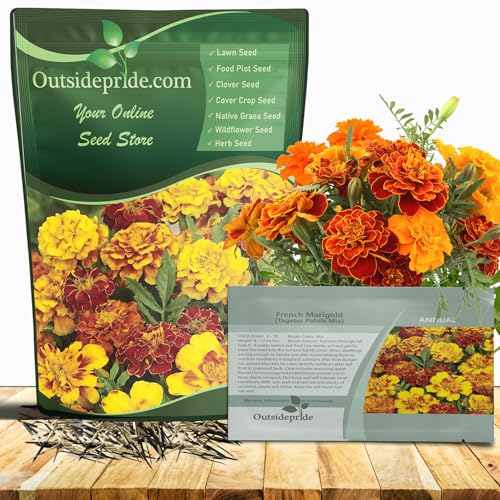
The French Marigold mix produces compact, vibrant blooms in orange and yellow, reaching about 8-12 inches tall. It is heat-tolerant and low-maintenance, making it ideal for container plantings, borders, and sunny beds. Best for gardeners who want consistent, cheerful color with minimal care. Caution: marigolds spread by reseeding in favorable conditions, which could be a consideration for mixed borders you want to keep compact.
Who it’s best for: those building small-space color displays or container gardens that need reliable orange flowers with easy maintenance.
Outsidepride Orange Marguerite Daisy Seeds

The Orange Marguerite Daisy is a drought-tolerant perennial that grows 24-30 inches tall, delivering long-lasting orange blooms from early summer through early fall. Its sun-loving, low-maintenance nature makes it a strong choice for borders, pollinator gardens, and cut-flower beds. Best for: perennial color that returns year after year in dry climates. Caution: in extremely hot climates, some soil types may benefit from light mulching to reduce soil moisture evaporation.
Who it’s best for: gardeners wanting a taller, repeat-blooming orange daisy with strong pollinator appeal and minimal upkeep.
Outsidepride Eschscholzia Orange California Poppy Seeds (1 lb)

The California poppy seeds deliver vibrant orange blooms and are well-suited for full-sun, drought-tolerant gardens. These heirloom, open-pollinated seeds are easy to establish and tend to reseed, contributing to self-sustaining color over multiple seasons. Best for wildflower patches, meadows, or native-style landscapes. Caution: poppies can be short-lived in extremely cold or very wet years; expect reseeding in favorable conditions.
Who it’s best for: gardeners seeking a classic drought-tolerant orange bloom with easy reseeding and rustic charm in wildflower zones.
Outsidepride Eschscholzia Orange California Poppy Seeds (5000 Pcs)

This pack mirrors the 1 lb option but in a smaller quantity, offering 5,000 seeds for broader planting across beds or borders. It remains an easy, drought-tolerant choice with bright orange blooms for full sun. Best for: starting multiple smaller patches or for replacing seeds in subsequent seasons. Caution: seed counts can vary slightly between batches; verify planting depth for optimal germination.
Who it’s best for: gardeners who want flexible quantities to fill larger sunny areas without committing to a full-pound bag.
Buying Guide: Key Purchase Considerations
- Climate and water use: Match seed mixes with your region’s rainfall pattern and irrigation capabilities. Drought-tolerant selections typically require less water but may benefit from initial moisture during germination.
- Bloom season and maintenance: Determine whether you want continuous color through summer or a prominent seasonal display. Perennial choices reduce replanting needs, while annuals offer flexible planning.
- Color and composition: If orange is the primary goal, prioritize varieties with orange blossoms such as California poppies, marguerites, gazania variants, and marigolds. Consider complementary colors for contrast.
- Soil and sun exposure: Most drought-tolerant seeds perform best in well-drained soils with full sun. Some species tolerate light shade; check each product’s notes for specifics.
- Seed quantity and coverage: Larger packets cover more area but require more upfront planning. For beginners, start with smaller packets to gauge germination and growth in your yard.
- Open-pollinated vs. non-GMO: Open-pollinated and non-GMO seeds sustain natural reseeding and local adaptation in many climates. If you prefer strict control over trait propagation, note seed type.
Frequently Asked Questions
- What is the best orange flower for drought-prone gardens? California poppies and gazania varieties are among the strongest orange performers in hot, dry climates due to their tolerance to heat and low water needs.
- How long do drought-tolerant orange blooms last? Perennial selections may return year after year, while annuals complete their life cycle in a single season but can reseed in favorable conditions.
- Do these seeds require special soil prep? Most prefer well-drained soil and full sun. Lightly preparing the soil with a rake and ensuring good drainage will help germination and establishment.
- Can I mix these seeds in a single bed? Yes. Consider balancing colors and bloom times to maintain visual interest throughout the growing season. Group similar water needs to simplify irrigation.
- Are these seeds non-GMO? Several options listed are Non-GMO or open-pollinated, which supports natural propagation in many landscapes.
- Do these plants attract pollinators? Yes. Species like marigolds, marguerites, and California poppies attract bees and butterflies, contributing to a healthy pollinator garden.