The right deer netting can protect gardens, fruit trees, and vegetable beds from deer, birds, and other small pests while still allowing sunlight, air, and water to reach plants. This guide reviews five top-rated options, highlighting mesh size, material quality, and installation practicality. Each product is chosen for durability, ease of use, and wildlife protection performance to help American gardeners make informed decisions.
| Product | Size | Mesh | Material | Key Benefit |
|---|---|---|---|---|
| Feitore Deer Fence Netting | 7 x 100 ft | 3/4 in | Polypropylene | Reusable, strong protection for plants and trees |
| KLEWEE Bird Netting | 7.5 x 100 ft | 3/4 in | UV-stabilized material | Durable barrier against birds, deer, and small critters |
| Dalen Deer X Netting | 7 x 100 ft | 3/4 in | Polypropylene with UV inhibitors | Made in USA; weather-resistant, strong fence alternative |
| ORIVOGAS Deer Fence Netting | 6.5 x 50 ft | 5/8 in | HDPE weave | Reinforced edges; versatile as temporary or garden fencing |
| AlpineReach Garden Netting | 7.5 x 100 ft | 5/8 in | Knitted HDPE | Heavy-duty, reusable, easy to install |
The following sections break down each product’s strengths, helping you compare protection level, durability, and installation ease for a typical American backyard or rural garden.
Feitore Deer Fence Netting
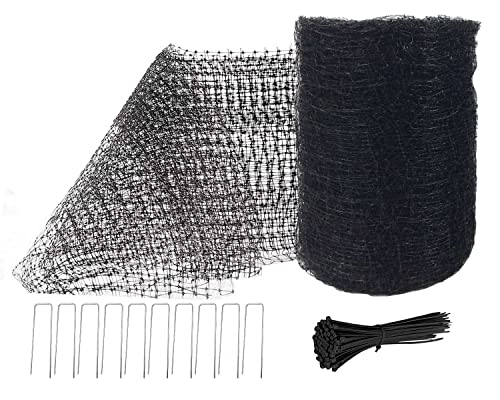
Feitore’s deer fence netting provides a robust 7 feet by 100 feet barrier with a 3/4-inch square mesh. Constructed from lightweight yet sturdy polypropylene, it resists tearing, rust, and rot, offering long-lasting garden protection. Accessories included—10 installation nails and 50 cable ties—facilitate quick setup. The mesh design prevents deer and small animals from reaching plants while remaining safe for birds and beneficial wildlife. This netting doubles as a bird net and can guard fruit trees, shrubs, vegetables, and berries without impeding plant growth.
KLEWEE Bird Netting

KLEWEE offers a 7.5-foot by 100-foot garden net with a 3/4-inch mesh, designed to shield ripening fruits, trees, and vegetables from birds, deer, squirrels, and other critters. The kit includes 10 metal U-shaped staples and 50 zip ties for secure installation. UV-stabilized material enhances weather resistance, and the netting is non-toxic and animal-friendly, ensuring it won’t harm wildlife or impede plant growth. Its sturdy construction makes it a reliable, reusable option for perimeter protection around an expanded garden or orchard area.
Dalen Deer X Protective Netting
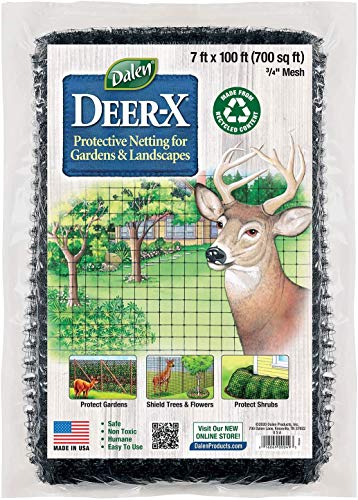
Dalen’s Deer X Netting emphasizes durability and domestic production in the USA. The 7-foot by 100-foot net uses a heavy-duty 3/4-inch polypropylene mesh with UV inhibitors to resist weathering. Marketed as a practical fencing alternative, it provides enhanced protection against deer, rabbits, and other wildlife, while maintaining accessibility for plant growth. Its availability in multiple sizes allows gardeners to tailor coverage to different beds or tree rows, making it a flexible option for varied landscapes and planting plans.
ORIVOGAS Deer Fence Netting

ORIVOGAS presents a 6.5 x 50-foot deer fence net with a 5/8-inch mesh and reinforced edges secured by ropes. The 55 gsm HDPE weave delivers high tear resistance, UV protection, and corrosion resistance. This netting’s added stiffness helps it stay in place in windy conditions, and its design supports multiple uses—from garden fencing to temporary barriers for pools or children’s play areas. It serves as a practical choice for smaller plots or localized protected zones where flexibility is valued.
AlpineReach Garden Netting
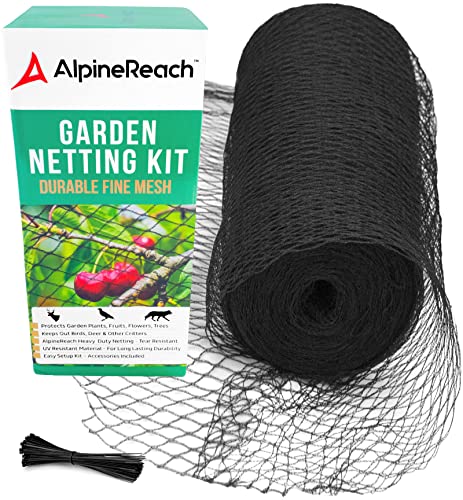
AlpineReach’s 7.5 x 100-foot net uses a heavy-duty 5/8-inch fine mesh with a knitted HDPE weave for added tensile strength and durability. The net is designed to be gentle on plant leaves and stems while providing robust protection from birds, deer, squirrels, rabbits, and other critters. The inclusion of zip ties makes installation straightforward, and the material’s weather resistance supports repeated seasonal use. Gardeners can layer the netting over beds or paths to create a dense barrier without restricting air flow or sunlight.
Buying Guide: Key Purchase Considerations
- Mesh size: A 3/4-inch to 5/8-inch mesh is standard for deterring birds and deer while allowing light, rain, and air to reach plants. Smaller mesh offers better protection but can be harder to work with on larger beds.
- Material and durability: Look for UV-stabilized polypropylene or HDPE with weather resistance for year-round use. Non-toxic materials protect wildlife and avoid plant harm.
- Size and coverage: Evaluate garden dimensions, tree rows, and bed layouts. Longer rolls reduce seams but require more staking and tensioning to stay taut.
- Installation accessories: Staples, cable ties, and stakes expedite setup and help secure the netting against wind and animals.
- Reusability: Lightweight plastics are often reusable for multiple seasons, but confirm warranty or indications of reuse capability in product descriptions.
- Versatility: Some nets double as bird protection, rabbit fencing, or pool safety barriers. Consider whether you want a single solution for multiple uses.
- Impact on plants: Choose nets designed to be gentle on stems and leaves; a heavy or tight mesh can cause friction or damage if installed improperly.
- Local wildlife: In regions with larger deer populations, a stronger, heavier net with secure anchoring will provide longer-lasting protection.
- Maintenance: Check for wear points, especially at edges and corners. Re-tension or replace nets showing tears or sagging to maintain effective coverage.
When selecting deer netting, balance durability with ease of use. For larger gardens or orchards, consider longer rolls with reinforced edges and a combination of stakes and ties to secure the netting tightly. For smaller plots or irregular shapes, a 6.5 x 50-foot option with robust edge reinforcement can offer flexibility without excessive material. Across all choices, ensure the netting does not hinder beneficial wildlife or pollinators, and install with tension to prevent sagging that could allow entry points for intruders.