Looking for deep blue aster flowers to extend fall color and attract pollinators? This guide highlights five reliable wildflower and garden seeds that deliver rich blue blooms and sturdy growth. Each option suits different garden goals—native restoration, pollinator gardens, or decorative borders. The summaries below help you choose seeds that match your climate, soil, and maintenance preferences.
| Product | Best For | Key Benefit |
|---|---|---|
| Smooth Blue Aster Seeds — Symphyotrichum laeve (Survival Garden Seeds) | Pollinator gardens, native wildflower patches | High germination, drought tolerance, late-season blue blooms |
| Earthcare Seeds Aster Smooth Blue | Low-maintenance biodiversity gardens | Native, drought-tolerant, supports pollinators |
| Everwilde Farms 500 Smooth Blue Aster | Seed collectors, Gold Vault enthusiasts | Long storage and packaging quality |
| Outsidepride Tall Pompon Blue Aster | Meadows, borders, vertical color accents | Tall, prolific blue blooms, deer resistant |
| Outsidepride Tall Pompon Blue Moon Aster | Accent plantings, mixed borders | Blue-tinged white petals, similar tall pompon form |
Smooth Blue Aster Seeds For Planting

Brand: SURVIVAL GARDEN SEEDS. These native North American Smooth Blue Aster seeds are heirloom, non-GMO, open-pollinated, and suited for USDA zones 3-8. They form tight 2-4 foot clumps with blue-violet blooms from September through November. They prefer full sun to partial shade and show natural deer resistance. Best for pollinator gardens, prairie restoration, and late-season interest. This choice is ideal for gardeners seeking a hardy, native option that boosts late-season nectar sources for bees, butterflies, and hummingbirds. Caution: germination rates vary with soil moisture and temperature.
Why it’s selected: Strong native appeal, late bloom, and good pollinator support. Best for naturalistic plantings and wildlife-friendly landscapes.
Earthcare Seeds Aster Smooth Blue
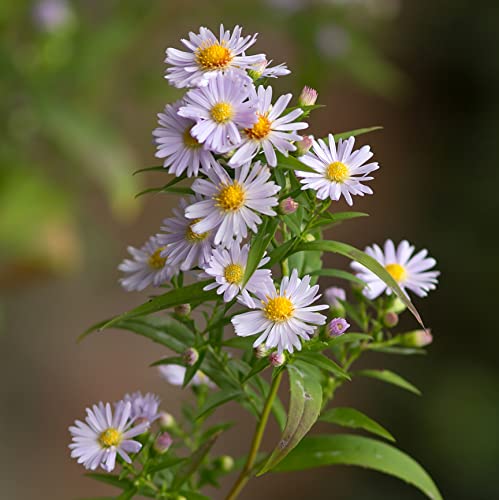
Brand: Earthcare Seeds. This Aster Smooth Blue set emphasizes native, drought-tolerant wildflowers that support local biodiversity. The seeds are open-pollinated and designed to thrive with minimal maintenance, attracting pollinators while blending into naturalistic landscapes. Best for gardeners who want a resilient, low-fuss addition that enhances ecosystem health. Caution: germination can depend on local conditions and soil preparation.
Why it’s selected: Versatile, low-maintenance, and focused on native biodiversity and pollinator support.
Everwilde Farms — Smooth Blue Aster Native Seeds

Brand: Everwilde Farms. This batch features 500 seeds in a Gold Vault packaging system designed for longer storage. It emphasizes quality and long-term viability, with storage advantages compared to paper or plastic. Best for seed collectors and gardeners planning future seasons. Caution: Gold Vault packaging is a storage feature, not a growth guarantee.
Why it’s selected: Focus on seed longevity and packaging quality, helpful for long-term projects and storage. Choose this if you value storage preservation.
Outsidepride Tall Pompon Blue Aster Seeds

Brand: Outsidepride. Tall Pompon Blue Aster seeds deliver striking blue blooms with 30-40 petals and can reach about 20 inches tall. Suited for borders, meadows, and as a vertical color accent. Hardy annual suitable for USDA zones 3-9. Best for bold color statements and pollinator-friendly landscapes. Caution: As an annual, blooms recur only within a single season, not perennially in most climates.
Why it’s selected: Excellent for a strong visual focal point and easy-to-grow confidence in a variety of climates.
Outsidepride Tall Pompon Blue Moon Aster Seeds

Brand: Outsidepride. Tall Pompon Blue Moon Aster seeds produce abundant white-blue blooms with a tall stalk, similar to the blue pompon category. Adaptable to USDA zones 3-9 and well-suited for meadows and borders. Best for gardeners who want a lighter blue with a white accent for mixed color schemes. Caution: Color tones can vary slightly with growing conditions and soil texture.
Why it’s selected: Adds a lighter blue-white palette that complements deeper blues and provides variety in a pollinator-friendly space.
Buying Guide
What should you consider when choosing deep blue aster seeds?
- Bloom timing: If you want late-fall color, prioritize varieties that bloom September–November.
- Hardiness zone: Match seeds to your climate (e.g., zone 3–8 for native options, zone 3–9 for multiple-year annuals).
- Growth habit: Choose a height that fits your space—groundcover, border accents, or tall focal plants (20 inches or taller).
- Pollinator value: Look for open-pollinated, native, and drought-tolerant seeds to support bees and butterflies.
- Storage and packaging: If you store seeds for future seasons, Gold Vault or similar packaging can improve longevity.
Choosing between wildflower natives and ornamental annuals depends on your goals. Native options typically offer better long-term habitat value, while tall pompon varieties provide dramatic vertical accents for seasonal color. Consider soil type, sun exposure, and watering needs to predict performance in your garden.
Frequently Asked Questions
- What is the best deep blue aster for attracting pollinators?
– Native Smooth Blue Aster varieties and other blue asters are generally strong pollinator magnets, especially when planted in sunny, well-drained spots. - Are blue asters perennials or annuals?
– Many blue aster seeds cited here are native perennials or biennials, while Outsidepride Pompon varieties are treated as annuals in many regions. - When should I plant blue aster seeds?
– Plant in spring after frost risk or in early fall in milder climates to establish roots before winter. - Do blue asters require special soil?
– Most options prefer well-drained soil; drought-tolerant varieties perform well with moderate moisture once established. - Will blue asters reseed themselves?
– Some open-pollinated native seeds can reseed, depending on climate and ongoing conditions; annuals may reseed less predictably. - Which seed is best for a compact border?
– Shorter forms or dwarf varieties are better for borders; tall pompon types work best as vertical accents in larger beds.