Cotton gardens blend ornamental appeal with fiber potential, offering a unique growing experience for hobbyists and small-space farmers alike. The following selections highlight reliable Gossypium hirsutum varieties, easy care, and versatile uses—from decorative ornamentals to craft-ready fiber crops. This guide compares five well-matched options, helps you choose by climate and soil, and provides essential planting tips for successful germination and growth.
| Product | Brand | Seed Count | Notes |
|---|---|---|---|
| American Cotton Seeds for Planting – Gossypium hirsutum | CZ Grain | 100 Seeds | Widely planted Upland cotton; ornamental appeal |
| KVITER 25 White Cotton Seeds | KVITER | 25 Seeds | Real cotton plant; high germination; ornamental or fiber |
| Cotton Seeds Non GMO, Untreated | MRC Seeds | 20+ Seeds | Indoor or direct sow; straightforward care |
| 25 White Cotton Gossypium Seeds | Seedville | 25 Seeds | Suitable for ornamental or fiber projects |
| Cotton Seed Pure White, 1 Pound | Thunder Acres | Over 3500 Seeds | High seed count; produces pink and white flowers |
American Cotton Seeds for Planting

The American Cotton Seeds for Planting by CZ Grain offer Gossypium hirsutum, commonly known as Upland or Mexican cotton. This variant is described as the most widely planted species in the United States, representing about 95% of production. The seeds are marketed as hand-packaged and shipped by CZ Grain, with emphasis on ornamental appeal for gardening clubs and enthusiasts. Ideal for gardeners seeking a broad, traditional cotton plant that can adapt to typical warm-season climates.
KVITER 25 White Cotton Seeds
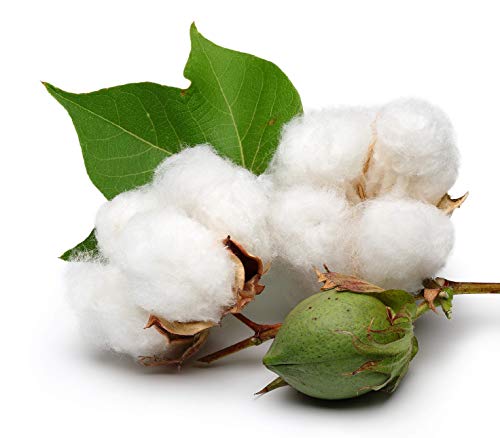
KVITER’s White Cotton Seeds are marketed as real cotton plant seeds for planting Gossypium hirsutum. They emphasize high germination and fiber quality, supporting ornamental use or fiber production. The plant is described as robust, thriving in USDA Zones 9–11, reaching up to four feet tall with a two-foot spread. Planting guidance includes soaking seeds before planting and germination typically starting within 7–14 days at 70°F. Full sun and regular moisture are recommended for best results.
Cotton Seeds Non GMO, Untreated

MRC Seeds offers Non GMO, Untreated cotton seeds suitable for garden growth. The product notes include a plant height range of 3 to 5 feet, full sun tolerance, and flexibility in sowing methods—indoor sowing or direct sowing. This option suits growers seeking straightforward cultivation with predictable height and sun exposure needs, making it a versatile choice for gardeners working with limited space or experimenting with container or bed plantings.
25 White Cotton Gossypium Seeds

Seedville’s 25 White Cotton Gossypium Seeds target ornamental and fiber-oriented use. The product notes indicate bloom timing in spring or fall and a hardiness range of zones 9–10. Plant height is estimated at 24–36 inches with spacing recommendations of 15–18 inches. This option is suitable for gardeners who want a mid-height cotton plant with a relatively straightforward growing cycle and predictable flowering windows.
Cotton Seed Pure White, 1 Pound

Thunder Acres provides Cotton Seed Pure White in a large 1-pound package, offering over 3,500 seeds. The description notes that the crop can produce pink and white flowers and yields pure white cotton. This option is best for penetrative planting where seed abundance is advantageous, or for educational demonstrations and fiber projects that require many plants across a larger area.
Arkansas Green Cotton 25 Seeds

Arkansas Green Cotton seeds come from Mountain Valley Seed Company as an open-pollinated variety. This naturally colored fiber option is noted for crafting and textile projects, with the ability to adapt to warm climates and well-drained soils. The plants are described as strong and productive, suitable for home gardens and hobbyists who want to explore natural fiber production and unique colored lint.
Buying Guide: Key Considerations for Cotton Seed Purchases
Choosing cotton seeds requires balancing climate, space, and purpose. Consider these factors to optimize success and outcomes:
- Climate and zone compatibility: Cotton generally needs warm temperatures and a long frost-free period. Verify zone recommendations (often 9–11 for many home garden seeds) and ensure enough days to maturity in your area.
- Germination and vigor: Look for seeds described as high germination rates or robust seed vigor. Soaking seeds before planting can improve germination speed for many varieties.
- Plant size and spacing: Cotton plants vary in height. Plan spacing to prevent crowding, ensuring adequate airflow and sunlight to reduce disease risk.
- Purpose: Decide whether you want ornamental cotton plants, fiber production, or edible-ornamental value (flowers or seed pods). Some varieties emphasize fiber quality; others emphasize decorative aspects.
- Open-pollinated vs. non-GMO: Open-pollinated varieties are typically easier to save seed for next year, while non-GMO seeds appeal to growers seeking conventional breeding lines without genetic modification.
- Soil and water needs: Cotton generally prefers well-drained soil and consistent moisture during critical growth phases. Ensure your garden or containers can support steady irrigation.
- Growing method: Evaluate indoor sowing versus direct sowing options. Container-friendly varieties may suit balcony or small-yard setups, while larger beds suit traditional plots.
- Ornamental vs. fiber focus: If fiber quality is your goal, prioritize varieties described with strong lint and fiber attributes; for ornamentals, visual traits like white or colored blooms and lint may guide your choice.
Notes on Planting and Care Across The Selections
Across these options, standard cotton care applies: choose well-drained soils, provide full sun, and water consistently during germination and early growth. For seeds emphasizing quick germination, maintain warm soil temperatures around 70°F (21°C) and keep soil evenly moist but not waterlogged. Monitor for sunburn in very hot regions and provide partial shade if heat stress occurs. Pruning is generally minimal, but ensure plants have room to grow to their anticipated height. Regularly remove weeds to minimize competition for nutrients and moisture.