Controlling clover in a home lawn is best approached with selective weed killers, proper timing, and a plan to strengthen your turf. This guide highlights five effective products, each suited to different lawn types and user needs. It explains who should choose each option, why it works, and how to use it safely. Whether you’re racking up a weed battle in a cool-season lawn or seeking a simple spray-and-go solution, you’ll find practical advice here.
Product Quick Reference
Below is a quick, at-a-glance summary of the five featured products. Use this table to compare what each one brings to your Clover-Control plan.
- Scotts Turf Builder Weed and Feed5: Weed killer plus lawn fertilizer for up to 4,000 sq. ft.; best for those who want a combined weed control and grass feed option.
- Ortho WeedClear Lawn Weed Killer Ready-To-Spray: Hose-end application that targets multiple weeds, including clover; best for a fast, broad reach with minimal prep.
- Ortho WeedClear Lawn Weed Killer Concentrate: Concentrated formula that treats a large area; best for larger lawns and DIY sprayers.
- Ortho Weed B Gon Chickweed, Clover and Oxalis Killer: Concentrate designed to kill clover and other common weeds at the roots; best for targeted clover control without heavy lawn disruption.
- Spectracide Weed & Feed 20-0-0, 3 Count: Dual-action formula that both kills broadleaf weeds and feeds the lawn; best for steady turf growth and weed suppression over time.
Scotts Turf Builder Weed and Feed5
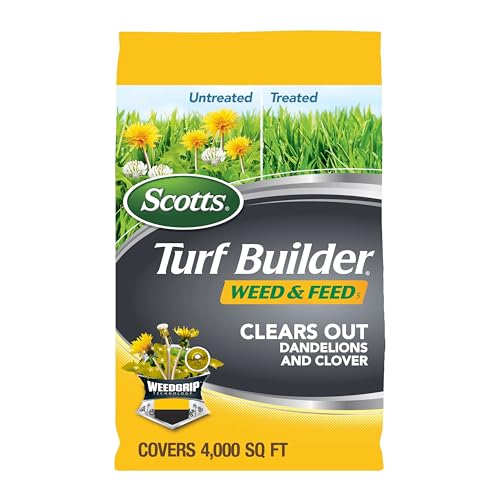
This product combines weed control with lawn fertilization to help crowd out future clover and other broadleaf weeds. It’s best used when weeds are actively growing and temperatures stay between 60°F and 90°F. The coverage is suitable for up to 4,000 sq. ft., delivering both weed suppression and turf thickening. This makes it a strong pick for homeowners who want a single-step solution that improves lawn density while mitigating clover competition.
Who it’s best for: homeowners seeking a mid-season, all-in-one solution for weed-killing and fertilization in a medium-sized lawn. Why selected: it targets common lawn weeds including clover and dandelion while helping the lawn itself to fill in and resist future invasions. Caution: do not use on St. Augustinegrass (including Floratam), Dichondra, Lippia, Carpetgrass, or Bentgrass lawns.
Ortho WeedClear Lawn Weed Killer Ready-To-Spray

This hose-end spray offers a fast, ready-to-use approach for killing listed weeds, including clover, dandelion, chickweed, and crabgrass. It promises quick results with a single application and covers up to 5,000 sq. ft. This makes it ideal for homeowners who want a straightforward, no-mix solution that can reach across a larger lawn quickly. Best for: quick knockdown of broadleaf weeds with minimal preparation.
Best-for use-case: choose this if you want a spray-and-go product that covers a substantial area in one outing. Limitation: effectiveness depends on proper application technique and timely re-application when new weeds appear.
Ortho Weed B Gon Chickweed, Clover and Oxalis Killer
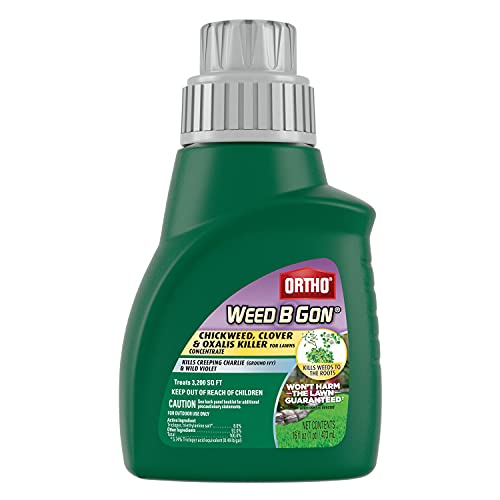
This concentrate is designed to target clover along with other common lawn weeds, using systemic action to kill weeds at the roots. It’s composed to work with established grasses and can control difficult offenders like chickweed and oxalis when used according to label directions. Best for: those dealing specifically with clover alongside other weeds, especially in varied turf types. Why selected: effective root-level action helps reduce regrowth. Caution: as with other concentrates, follow mixing instructions precisely to avoid lawn stress.
Spectracide Weed & Feed 20-0-0

Spectracide’s Weed & Feed combines weed control with lawn feeding. Its 20% nitrogen content supports turf growth while targeting major broadleaf weeds such as dandelion, chickweed, clover, and plantain. This product is best for homeowners who want ongoing lawn maintenance with periodic weed suppression, helping to maintain a healthier, denser lawn that can outcompete Clover over time. Best for: steady, routine lawn care with a focus on broadleaf weed control. Caution: ensure compatibility with your grass species and avoid over-application to reduce risk of fertilizer burn.
Buying Guide: How To Choose The Right Clover Control Product
When selecting a product to control clover in your lawn, consider lawn type, weed pressure, application method, and maintenance goals. The following questions help tailor the choice to your needs.
- What is my lawn size and accessible equipment? For larger lawns, concentrates may save money but require sprayers; ready-to-spray options cover more area with less effort.
- What grasses do I have? Some products are not recommended for St. Augustinegrass or other sensitive lawns; always check label cautions for your grass type.
- Do I want a combined weed control and fertilizer? If yes, an all-in-one product like a weed-and-feed option can simplify maintenance.
- Which weeds are the main problem? If clover is a primary target, choose products with proven clover efficacy and root-level action.
- How often should I treat? Some products allow multiple applications per year at limited frequency; overuse can stress the lawn.
Application Timing And Turf Health
Apply when weeds are actively growing and temperatures are moderate. This ensures better absorption and faster results. Avoid applying during extreme heat, drought, or freezing conditions. Follow label directions for watering, mowing, and re-entry intervals to protect the lawn and the environment.
Maintaining A Clover-Resistant Lawn
Beyond treatment, you can reduce future clover invasions by maintaining dense turf. Proper mowing height, adequate watering, and appropriate fertilization help grass outcompete clover. Aeration and overseeding can also improve turf density, creating a less favorable environment for clover to establish.
Safety And Environmental Considerations
Use protective gear as recommended on the label, keep pets and kids away from treated areas until safe, and store products correctly. Do not apply near water sources or in settings where leaching into soil and runoff could occur. Read and follow all label cautions for safe use.
Frequently Asked Questions
- Can I use clover-killing products on any lawn type? Not all products are suitable for every grass type. Always check label restrictions for your lawn variety to avoid damage.
- How quickly will I see results after applying a clover killer? Results vary by product and conditions, but many show visible weed reduction within days to a couple of weeks. Follow up treatments may be required for persistent clover.
- Is a fertilizer needed with weed control? Some products combine weed control with fertilizer; others are weed-only or require separate lawn feeding. Choose based on your lawn’s nutrient needs and maintenance plan.
- Should I reseed after treating clover? If your lawn has bare patches, consider reseeding or overseeding to promote dense turf that resists clover. Wait for the recommended interval after application before reseeding.
- Are there eco-friendly or selective options? Some concentrates and hoses sprays offer targeted weed control with minimal impact on beneficial plants, but all pesticides should be used responsibly and per label directions.
- Can these products prevent clover regrowth? Regular maintenance, proper mowing height, and timely re-treatments help reduce the likelihood of clover returning. Combine with a dense, healthy lawn strategy.