Healthy container plants rely on a reliable watering plan. A container plant watering system automates hydration, reduces guesswork, and helps maintain consistent soil moisture levels for potted greens, herbs, and flowering plants. This article highlights five top-rated options and compares how they handle cycles, timers, and plant diversity. Read on to identify a model that fits your plant lineup, pot sizes, and watering schedule needs.
| Product | Brand | Key Benefit |
|---|---|---|
| RAINPOINT Large Display Automatic Plant Waterer Indoor | RAINPOINT | Cycle & soak mode for efficient water use |
| Raindrip R560DP Drip Watering System | Raindrip | Timer-controlled, up to 20 plants |
| Blumat Classic Self-Watering Stakes – 3 Pack | Blumat | Automatic drip with ceramic siphon delivery |
| Automatic Plant Waterer Indoor Self Watering System – 15 Plants | beday | Programmable with humidity-based irrigation |
| TKSCUSR Plant Self-Watering Stakes – 15 Pack | TKSCUSR | Terracotta stakes with extended watering network |
RAINPOINT Large Display Automatic Plant Waterer
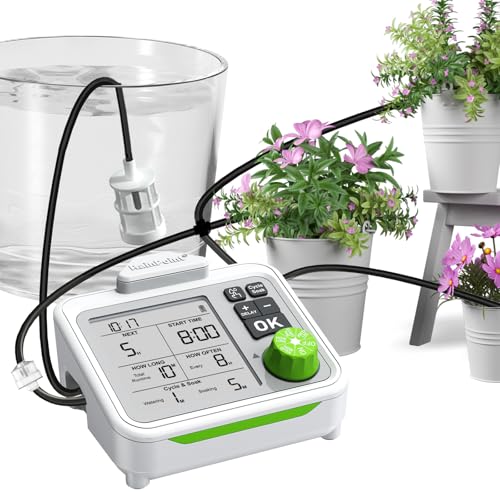
The RAINPOINT system presents a cycle-and-soak approach that splits irrigation into multiple shorter runs with soak intervals in between. This technique helps soil saturate evenly while conserving water, potentially reducing consumption by about 30% and increasing plant vigor in some cases. Users can choose continuous watering for longer durations or opt for cycle-and-soak for better soil penetration. The device features a user-friendly interface suitable for a range of pot sizes and plant types.
Programming is designed for real-world needs: water frequencies can range from every 8 hours to once every 30 days, with durations from 20 seconds to 20 minutes. A manual option allows immediate watering without affecting the preset schedule, and a delay function suspends watering for 24, 48, or 72 hours to prevent overwatering during rain or high soil moisture. This flexibility makes it suitable for busy households and varying plant collections.
Raindrip R560DP Drip Watering System
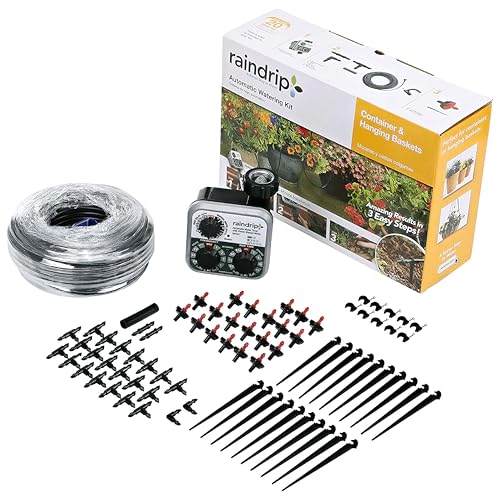
The Raindrip drip irrigation kit is designed to water up to twenty plants with a timer-driven setup. It includes all components needed to create a drip system for potted plants, hanging baskets, and planter beds. The installation is described in three easy steps: connect the timer and tubing, lay out tubing, and attach drippers using fittings. The kit is adaptable for various layouts and plant densities, making it a practical option for gardeners seeking automation without complexity.
Key strengths include scalable coverage, straightforward customization, and a timer-controlled approach that reduces daily maintenance. It appeals to hobbyists who want a reliable, plug-and-play solution that still provides enough flexibility to tailor watering patterns for diverse containers and sun exposure scenarios.
Blumat Classic Self-Watering Stakes – 3 Pack

The Blumat Classic stakes provide a self-watering solution using a siphon mechanism with a ceramic cone to draw water from a reservoir. The system is designed for both indoor and outdoor plants and is renowned for delivering steady moisture with minimal maintenance. These stakes are lauded for compatibility across a wide range of potted species and pot sizes, offering a reliable hydration method that responds to soil moisture needs without electronic timers.
Designed with Austrian engineering quality, the Blumat stakes are straightforward to deploy: insert into the soil, connect to a water source (including most common bottles), and let the ceramic cone regulate moisture. The 3-pack option fits compact arrangements or spaces where a neat, modular layout is preferred. These stakes are particularly favored by users seeking a low-tech, dependable watering method that minimizes overwatering risks.
Automatic Plant Waterer Indoor Self Watering System for 15 Potted Plants

This beday system is described as Butler-grade, offering reliable hydration for up to 15 pots. It emphasizes stability, strong water pressure, and the ability to water distant plants from the main source. The setup is designed for automated operation, with a programmable schedule that requires initial configuration before travel or extended absences. The framework aims to balance user convenience with effective plant care, helping homes maintain a lush, consistent appearance in the absence of daily watering routines.
Key considerations include the system’s capacity for multiple pots, the ease of programming, and the durability of components under varying home water pressures. While the description highlights a dependable water supply, users should ensure compatibility with their existing plumbing and verify that the unit can handle the total lift required for higher shelving or greenhouse setups.
TKSCUSR Plant Self-Watering Stakes – 15 Pack

The TKSCUSR system adds a terra cotta watering spike approach with a 12-sided concave design and a durable watering bell. The terracotta stakes automatically seep water when soil moisture drops, providing ongoing hydration until the soil is rehydrated. The 15-pack offers expansive coverage for larger collections or multiple planters across rooms or a greenhouse. The mechanism relies on capillary action and soil water uptake rather than electronic timers, appealing to those who prefer a simple, chemical-free method for plant hydration.
Usage considerations include the need to soak the spikes before first use, pre-buried holes for placement, and ensuring compatibility with your chosen containers. The terra cotta material provides a visually understated, reliable method for maintaining moisture in a variety of soils, from lighter mixes to denser potting media. The 15-pack option supports broader installation in larger living spaces or sunrooms.
Buying Guide: Key Considerations For Choosing A Container Plant Watering System
- Garden size and plant diversity: If you maintain many pots of varying sizes, a scalable system with multiple zones or 15- to 20-plant capacity offers the most flexibility.
- Water source and pressure: Some options rely on a stable home water pressure, while others work with simple reservoirs. Check compatibility with your faucet setup or container reservoir depth.
- Automation vs. manual control: Auto-timers and cycle settings reduce daily maintenance, but some users prefer manual override or humidity-based triggers for delicate varieties.
- Soil type and pot material: Slow-release ceramic cones and terra cotta spikes suit porous soils, while drip systems work well with dense potting mixes. Consider drainage and pot weight when designing layouts.
- Energy use and maintenance: Electric timers require minimal energy; non-electric stakes run passively but may need occasional pruning or repositioning to accommodate plant growth.
- Installation complexity: Simple stake systems are quick to deploy, whereas wired drip kits may demand more planning for tubing routes and dripper placement.
- Budget and replacement parts: Consider initial setup costs and the availability of replacement drippers, adapters, and tubing to extend systems over time.
- Seasonal protection: For indoor spaces with high humidity, you may need to adjust watering frequencies to prevent mold or overwatering, especially in enclosed sunrooms.
These five options cover a spectrum—from cycle-and-soak and timer-driven drip kits to passive terracotta stakes. When choosing, align the system’s capacity with your total pot count, the diversity of plant needs, and how often you travel or stay away from home. Consider maintenance needs, ease of use, and whether you prefer a plug-and-play solution or a more modular, expandable setup. Each product listed here offers a different balance of automation, simplicity, and coverage to suit American homes and gardens.