Turning kitchen scraps into usable compost is easier with an electric, odorless composter. The following five models blend compact design, fast processing, and low-noise operation to suit American homes—from apartments to small backyards. Below you’ll find concise product notes, a quick comparison, and practical buying guidance to help you choose the best fit for your needs.
Summary Table of Chosen Products
| Product | Brand | Capacity | Key Benefit |
|---|---|---|---|
| Ouaken 4L Electric Composter for Kitchen | Ouaken | 4L | Low noise, odor control, auto-cleaning |
| MERIOR 3L Electric Composter | MERIOR | 3L | Odor-filtering system, fast 4–6 hour cycle |
| Reencle Prime Electric Composter | Reencle | 14L | Patented microbes, rapid decomposition |
| Ouaken Electric Composter for Kitchen | Ouaken | 3L | LED progress display, one-touch operation |
| AMZCHEF Electric Composter for Kitchen | AMZCHEF | 4L | Smart modes, odor suppression, quiet operation |
Ouaken 4L Electric Composter for Kitchen

This 4-liter model blends compact form with substantial capacity for a family’s daily scraps. It processes food waste via high-temperature drying, grinding, and cooling, reducing residual waste by up to 90% within hours. A low-noise motor keeps disturbances to a minimum, making it suitable for night use. A large carbon filter helps maintain an odor-free kitchen, and the unit alerts when the filter needs replacement to sustain odor control.
MERIOR 3L Electric Composter

This compact, stylish kitchen companion fits neatly on any countertop. It features an integrated odor-filtering system with replaceable carbon filters to keep smells contained. With a straightforward one-touch start and two modes—Standard and Quick—compositing completes in about 4–6 hours, yielding ready-to-use compost. Its design emphasizes ease of use without sacrificing efficiency.
Reencle Prime Electric Composter

The Reencle Prime combines a generous 14-liter capacity with microbial-driven aerobic composting. It claims rapid decomposition, turning up to 2.2 pounds of food scraps daily into nutrient-rich fertilizer in as little as 2–24 hours. The package includes carbon filters, a starter pack, and a shovel to streamline setup and ongoing use, making it a versatile option for kitchens producing steady waste streams.
Ouaken Electric Composter for Kitchen
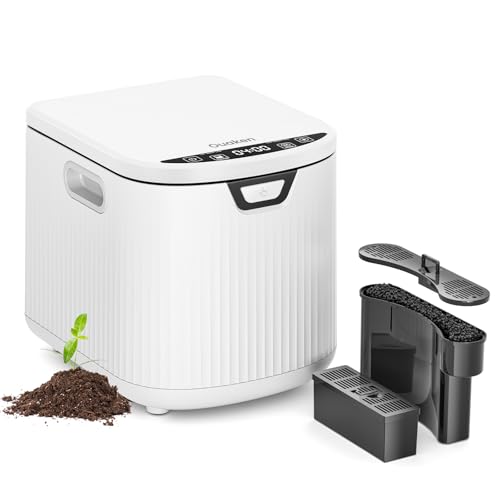
This 3-liter unit emphasizes a balance of capacity and counter space savings. It delivers 4–6 hour composting cycles and reduces waste volume by up to 90%. An LED progress indicator and one-touch operation simplify use, making it a practical choice for households prioritizing speed and straightforward operation.
AMZCHEF Electric Composter for Kitchen

The AMZCHEF 4-liter model emphasizes speed and versatility with Mode S and Mode L options, delivering 4–7 hour cycles depending on load. Odor control is enhanced by an upgraded carbon-filter and turbine vent design, reducing odors by over 90%. A quiet motor supports use in apartments or late-night composting, and the large capacity suits daily family waste without frequent emptying.
4L Electric Composter for Kitchen by MERIOR

Note: This entry highlights a different MERIOR model with auto-clean features and odor suppression. It demonstrates the continued emphasis on odor-free operation and compact capacity, making it suitable for those seeking low-maintenance, quiet performance in a small kitchen space.
Buying Guide: How To Choose The Best Food Waste Composter
- <strong Capacity and Footprint: Choose a model sized for your household waste output and counter space. 3–4 liter units suit most kitchens, while larger 14-liter options suit higher daily waste volumes.
- <strong Odor Control: Look for activated carbon filters, odor-neutralizing tech, and airtight lids. Regular filter replacement helps maintain freshness.
- <strong Noise Levels: If you live in an apartment, prioritize low-noise designs (below 40 dBA is common for quiet operation).
- <strong Fast Processing: Many models claim 4–6 hour cycles for fresh compost. If you need quicker turnover, check cycle options and modes.
- <strong Ease of Use: One-touch start, clear progress indicators, and auto-clean or auto-start features reduce effort and maintenance.
- <strong Odor-Free Assurance: For indoor use, select units with quiet fans or venting improvements and carbon-filter systems.
- <strong Compatibility with Waste Types: Most handle fruit/vegetable scraps and eggshells; some models accommodate bones or denser waste—check the user manual for limits.
- <strong Sustainability and Maintenance: Consider filter lifespans, replacement costs, and whether the unit ships with starter supplies (filters, compost starter, or shovel).
- <strong Price vs. Features: Higher-capacity or more feature-rich models typically cost more, but can offer faster cycles or longer filter life—balance needs against budget.
- <strong Outdoor vs Indoor Use: Some units are designed for indoor countertops, while others can function with a weatherproof exterior for outdoor setups; verify intended use before purchase.
When evaluating options, align features with your daily waste volume, kitchen layout, and tolerance for maintenance. The five featured models cover a range of capacities and performance profiles, enabling you to pick a solution that fits your home and environmental goals while maximizing convenience and odor control.