Choosing the right compost or waterless toilet for a tiny living space requires evaluating odor control, ease of use, maintenance, and capacity. This guide highlights five top options suited for tiny houses, RVs, vans, and off-grid setups. Each product is reviewed with its core features, practical considerations, and what makes it a good fit for compact homes. A concise buying guide follows to help you compare essential factors like waste capacity, urine separation, maintenance cycles, and installation needs.
| Product | Brand | Key Benefit |
|---|---|---|
| OGO™ Compost Toilet | OGO | Odorless separation function; no dump-stations required |
| Nature’s Head Self Contained | Nature’s Head | No odor; simple installation; strong support |
| Separett Villa Urine Diverting | Separett | Urine-diverting, high-capacity, waterless |
| TRELINO Evo S | TRELINO | Odorless, compact, separate waste containers |
| Modiwell Dry Flush | Modiwell | Waterless, odor-free, highly portable |
OGO™ Compost Toilet | Best Nature’s Compost Toilet
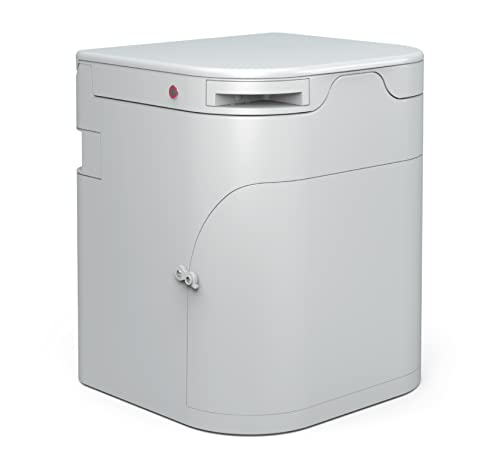
Key features include an odorless separation function that prevents odors by isolating liquids from solids, eliminating the need for harsh chemicals. The design is rugged, manufactured in Ohio, and supports up to 550lbs. It uses no water to function, aiding independence from dump-stations, which is ideal for remote tiny-house setups. The waste management system includes a removable solids bin and a 2.4-gallon urine bottle for easy cleaning. With an estimated 25-30 uses for solids between dumps, maintenance intervals are practical for regular use in small spaces. The unit’s straightforward design prioritizes reliability in tight living environments.
Pros: Odor control, no dump-stations, solid build. Cons: Requires proper placement for gravity and venting considerations in very tiny spaces.
Nature’s Head Self Contained Composting Toilet
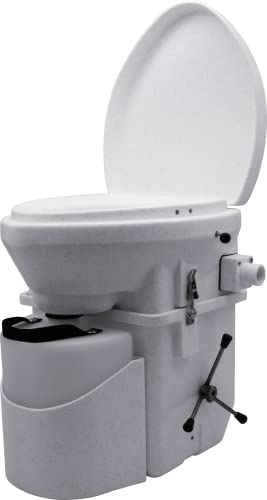
The Nature’s Head unit is a self-contained composting system designed for tight spaces with close-quarters usability. It emphasizes odor avoidance and minimal maintenance, backed by a strong warranty and customer support. Installation is straightforward for many DIY remodels, and the unit is praised for its easy maintenance with accessible parts and a simple emptying process. Some users in tiny houses appreciate the quiet operation and the absence of a water line. Overall, it provides a compact, robust solution where space and reliability are critical.
Pros: Quiet, easy install, strong warranty. Cons: Initial setup may require precise venting and fans for optimal odor control.
Separett Villa Urine Diverting High Capacity

This model emphasizes urine diversion, which reduces odors and simplifies waste management in off-grid setups. Its high capacity design suits longer intervals between dumps, an advantage for tiny homes where maintenance windows are limited. As a waterless system, it aligns with off-grid living and requires no plumbing or water supply, helping keep installations clean and simple. The unit is known for robust performance, though it may involve a learning curve for first-time users adjusting to the separation mechanism.
Pros: Waterless, odor reduction, off-grid friendly. Cons: May need upfront planning for venting and user familiarization with separation process.
TRELINO Evo S Gray, Portable Toilet

The TRELINO Evo S is designed for on-the-go use in small spaces like vans, tents, or tiny houses. It is odorless thanks to separation and drying features that minimize odors without chemicals. The unit uses separate containers for urine (1.2 gallons) and solids (1.6 gallons), offering practical capacity for compact living. Its dimensions and portability make it a popular choice for those who travel or relocate within a tiny footprint. The design emphasizes easy cleaning and quick emptying, which is essential for tiny-house routines.
Pros: Odor control, portable, easy maintenance. Cons: Smaller waste capacity requires more frequent disposal in busy households.
Modiwell Dry Flush Toilet

The Modiwell Dry Flush offers a waterless, odor-free option with a self-contained system and one-click flushing technology. It uses waste bags and an automatic sealing mechanism to simplify disposal and reduce maintenance. The unit is designed to be portable with robust support legs, capable of handling up to 350 pounds. This makes it a practical choice for RVs, boats, tiny houses, and off-grid setups where plumbing is impractical. The system emphasizes ease of use and a compact footprint suitable for tight spaces.
Pros: Simple maintenance, portable, odor-free. Cons: Requires waste bags and proper bag disposal planning.
Buying Guide
When choosing a compost or dry-flush toilet for a tiny house, consider the following factors to ensure the best fit for your space and lifestyle:
- Waste separation and odor control: Urine-diverting designs and odorless separation systems reduce maintenance and keep living areas comfortable. Decide whether you prefer a urine-diverting approach or a more traditional composting setup.
- Capacity and maintenance frequency: Assess solid and liquid waste capacities and how often you’ll need to empty or replace components. Tiny houses benefit from larger capacities to reduce trips to disposal, but portability can also be important.
- Portability vs. permanence: For movable tiny homes or vans, consider lightweight, portable options with simple setup. For a stationary tiny house, a more robust, permanently installed unit might be preferable.
- Water usage: Waterless or low-water systems are ideal for off-grid living but require careful planning for venting and disposal. If you have a reliable water source, a traditional composting toilet can be viable.
- Installation considerations: Some units require venting, while others are entirely self-contained. Check space dimensions, weight limits, and the availability of a solid waste bin or separate urine container in your layout.
- Maintenance and cleanup: Look for removable waste bins, easy-access cleaning components, and clean-out procedures that fit your routine. User-friendly designs save time and reduce mess.
- Durability and warranty: Since tiny houses are long-term investments, choose products with strong warranties and reputable customer support. Built-in reliability is key for off-grid lifestyles.
- Cost of ownership: While price isn’t a price tag, factor in disposal bags, accessories, venting requirements, and potential replacement parts into the long-term cost of ownership.
Across these options, you’ll find a balance between odor control, ease of maintenance, and space compatibility. For tiny houses aimed at off-grid living, urine-diverting, odorless designs paired with straightforward emptying are often the most practical. If you travel frequently or require a highly portable setup, lighter, easily detachable units with compact waste capacities can be preferable. Always verify installation needs, ventilation plans, and local regulations regarding toilet systems before purchase.