Discover durable, breathable fabric raised beds designed for productive, scalable gardening. This guide highlights top options that blend heavy-duty materials with versatile designs, ideal for both small urban spaces and larger commercial setups. Each product emphasizes airflow, drainage, and modular layouts to support healthy root growth and high yields.
The following table summarizes five high-performance fabric raised beds tailored for reliable, long-term use in varied climates. All listings are available on Amazon, with features focused on durability, drainage, and ease of setup.
| Product | Brand | Key Capacity/Dimensions | Notable Features |
|---|---|---|---|
| CJGQ 2 Pack Fabric Raised Garden Bed | CJGQ | 6 ft x 3 ft; 128 gallons per bed | Non-woven fabric; excellent drainage; breathable roots; easy to use in poor soil |
| CIEOVO 4 Pack Fabric Raised Garden Bed | CIEOVO | 3 grids per bed; 22 gallons per bag (4 packs) | Multi-grid partitions; thickened non-woven fabric; strong ventilation and drainage |
| KLEWEE Fabric Raised Garden Bed | KLEWEE | 6 ft x 3 ft; 128 gallons per bed (8-grid design) | Reinforced stitching; durable, breathable; promotes air pruning |
| FVOTNW 8 Grids Fabric Raised Garden Beds | FVOTNW | 4 ft x 2 ft x 1 ft; 8 compartments | High-quality felt; compact 8-compartment design; portable |
| ikanboo Fabric Raised Garden Bed | ikanboo | 2 ft x 8 ft | Durable, UV-resistant non-woven fabric; neat, organized layout; easy to use |
CJGQ 2 Pack Fabric Raised Garden Bed

The CJGQ raised beds come as a two-pack set, offering a total 6×3 feet of planting space with a 128-gallon capacity per bed. Constructed from non-woven fabric, these beds emphasize drainage and air movement through the soil, supporting robust root growth. The design caters to gardeners looking to convert limited outdoor spaces into productive plots and is particularly suited to growing herbs, vegetables, and flowers in soils that may lack nutrients. Assembly is straightforward, and the fabric helps preserve soil nutrients while minimizing soil compaction.
LGJIAOJIAO Weed Barrier Landscape Fabric
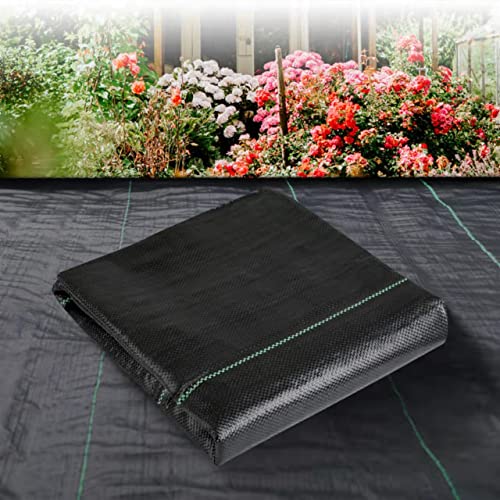
Although primarily marketed as a weed barrier, this heavy-duty fabric underlays landscape installations and large garden beds by providing durable, long-lasting protection while allowing water and nutrients to pass through. In commercial or education-focused gardens, it supports raised-bed layouts by reducing weed pressure and maintaining cleaner soil profiles. Its polypropylene composition delivers high tensile strength and tear resistance, making it a reliable base layer for fabric beds placed in driveways, pathways, or garden beds that experience foot traffic and weather exposure.
CIEOVO 4 Pack Fabric Raised Garden Bed

The CIEOVO set includes four fabric beds organized with a 3-grid design per bag, enabling diverse plantings within a single frame. The thickened non-woven fabric offers durability and reliable drainage, ensuring soil remains well-aerated. The partitions support separate root systems for herbs, flowers, and vegetables, reducing root entanglement. This arrangement is ideal for educational demonstrations, community gardens, or homes with limited space seeking high-yield layouts without heavy wooden frames.
KLEWEE Fabric Raised Garden Bed

The KLEWEE bed combines 8-grid compartments within a 3×6 foot footprint, delivering substantial growing space and organized zones for different crops. Crafted from thickened non-woven fabric with reinforced stitching, these beds emphasize durability and reuse across seasons. The breathable nature of the material facilitates air movement to the root zone, while the fabric’s porous structure aids drainage. Gardeners can deploy these beds for vegetables, herbs, and ornamental plants in patios, decks, or backyards.
FVOTNW 8 Grids Fabric Raised Garden Beds
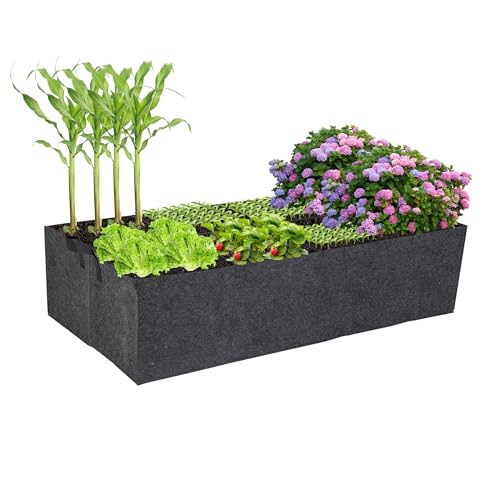
FVOTNW offers a compact 4x2x1 ft footprint with 8 grid compartments, ideal for organizing diverse vegetable and herb crops in tight spaces. The square design supports neat, tidy layouts for balconies, patios, or indoor setups with sufficient ventilation to promote healthy root development. The square bed is lightweight and portable, making it easy to reposition for sun exposure or season changes. It’s suitable for small commercial plots or school gardens seeking modular growing units.
ikanboo Fabric Raised Garden Bed

ikanboo provides a 2 ft by 8 ft rectangle raised bed designed for longer garden plots. The bed uses a proprietary durable fabric that promotes airflow and drainage, reducing the risk of root rot and promoting vigorous growth. It is described as suitable for both indoor and outdoor planting, with easy setup—unfold, fill, and grow. The extended length supports a larger lineup of crops, making it suitable for row-style plantings in backyards, schools, or community gardens.
Buying Guide
Key considerations when choosing fabric raised beds:
- Durability and material: Look for thickened non-woven fabric with reinforced seams to withstand seasons of use and weather exposure.
- Drainage and aeration: Beds should enable air movement to roots and fast drainage to prevent waterlogging and root rot.
- Size and layout: Consider grid partitions and overall footprint to fit your space and desired crop diversity. Multi-grid designs help manage different crops separately.
- Portability and setup: Lightweight, foldable, or modular beds are preferable for movable layouts or seasonal reconfiguration.
- Maintenance and reuse: Reusability over multiple seasons lowers long-term costs and supports sustainable gardening practices.
- Application context: For commercial, educational, or community use, prioritize products that offer modularity, durability, and clear labeling of compartments or grids.
When comparing options, assess whether the bed’s capacity aligns with your crop plan, soil expectations in your climate, and the long-term maintenance required for fabric beds versus alternative materials.