Choosing the right coir twine can help hops vines grow strong and healthy. This guide highlights five reliable coconut fiber twines to support hop plants, with details on strength, eco-friendliness, and practicality for gardening and crafts. Read on to compare options and find the best fits for hanging hops, trellises, and general binding needs.
| Product | Brand | Approx. Length | Diameter | Best For |
|---|---|---|---|---|
| GrowByCoco Coconut Coir Twine | growbycoco | 200 ft (50 ft x 4 hanks) | 6 mm | Hop trellises, gardening |
| Coconut Fiber Twine | Garden Twine | 200 ft (50 ft x 4) | 5 mm | General tying, crafts |
| Grow Organiks Coir Fibre Rope | Grow Organiks | 80 ft (4 x 20 ft) | 2-ply twist | Crafts, plants |
| Tomato Tying Garden Twine | Coconut Fiber Works | 60 ft | 3 mm | Tomato and herb supports |
| Tomato Tying Garden Twine | Happy House | 50 ft | 5 mm | Home garden ties |
GrowByCoco Coconut Coir Twine — 6mm x 200ft
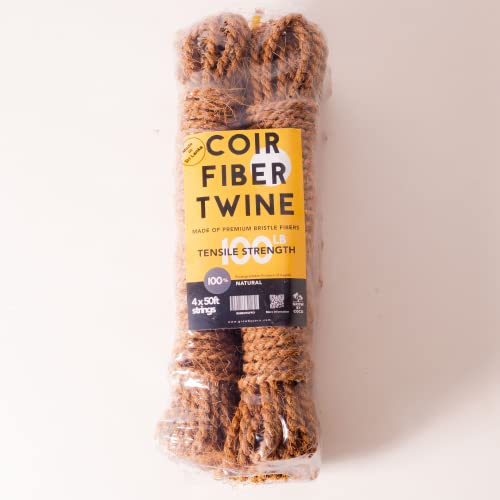
The GrowByCoco coir twine is designed for hops plant support and garden tying tasks. Its 6 mm diameter provides strong binding, while the generous 200-foot total length across four 50-foot hanks offers flexibility for trellising and light-duty trellises. Made from 100% natural coconut coir fiber, it is biodegradable and eco-friendly, reducing plastic waste in the garden. With a stated breaking strength of 100 pounds, this twine balances strength with pliability, enabling reliable support for climbing hops without excessive stiffness. Ideal for seasonal garden setups and craft projects that require natural fiber binding.
Coconut Fiber Twine — 200 Feet (5 mm, 4 Hanks)

This premium machine-spun coir twine from Garden Twine offers 200 feet of 5 mm diameter coconut fiber twine. Its natural fibers promote gentle binding for hops vines, supporting growth without cutting into stems. The blend is biodegradable and sourced from coconut husks, presenting an earth-friendly option for sustainable gardens. While marketed for general gardening, the twine’s strength and thickness make it a reliable choice for medium-duty hop supports, pruning ties, and craft applications where a natural look is desired.
Grow Organiks Coir Fibre Rope — 4 x 20 ft Hank

Grow Organiks offers a four-hank pack of coir rope crafted from two-ply twisted coconut fibers, delivering durability for garden ties and craft projects. Made from 100% natural coconut fiber, this rope is biodegradable and eco-friendly. A notable feature is its water-absorption capability—coir rope can hold significant moisture, potentially aiding root hydration and preventing wilting in humid climates. This makes it a practical option for longer-term hops supports, particularly where higher moisture retention is advantageous. Suitable for trellising, plant hangers, and rustic displays.
Tomato Tying Garden Twine — 60 Feet (Coir Fiber)

This coir twine from Coconut Fiber Works is 100% natural coconut fiber and comes with a compact 60-foot length ideal for smaller hops setups or light tying tasks around trellises. Its natural fibers provide a pleasant aesthetic and environmental benefits while delivering basic strength for vine management and training. The product emphasizes natural material content and is a practical option for hobby gardeners focusing on sustainable materials for routine ties and supports.
Tomato Tying Garden Twine — 50 Feet (5 mm)

Happy House offers a 50-foot coir twine with a 5 mm diameter, making it suitable for medium-duty hops tying and garden supports. Made from 100% natural coconut fiber, this twine is biodegradable and friendly to soil health, making it a good pick for sustainable gardening. The shorter length suits smaller hops plots or rapid, light binding tasks. It provides a straightforward option when only a modest amount of twine is needed.
HOP Twine — 1150 Feet, 5 mm

HOP Twine from Coconut Fiber Works provides an extended spool for large hops operations or multiple planting cycles. With 1150 feet of 5 mm biodegradable garden twine, this option supports extensive trellising, multiple hop rows, and long-lasting binding tasks. Crafted from 100% natural coconut fiber, it delivers strength with biodegradability—an important combination for growers seeking long-term, eco-friendly plant support materials. Particularly suitable for serious hops growers and community gardens needing a durable, reusable binding solution.
Coir Yarn for Growing Hops — 5 Strands of 20 Feet

Chicago Brew Werks presents a coir yarn option designed specifically for hops growth. The product consists of five strands of 20 feet each, crafted from coconut husk fibers. This lightweight, versatile option is well-suited for quick binds, stringing up hop vines, and craft applications. The natural fiber composition supports sustainable gardening practices and aligns with eco-friendly cultivation approaches while offering sufficient flexibility for artistic trellising ideas.
Buying Guide
- Strength vs. flexibility: For heavy hop vines, look for thicker diameters (4–6 mm) and higher breaking strength. Lighter ties are adequate for small hops or light binding tasks.
- Length and packaging: Consider total length and how it’s packaged (single hank vs. multi-hank). More length reduces the need for frequent replacements but may be heavier to manage.
- Material safety: Ensure the twine is 100% natural coconut coir or coconut fiber and fully biodegradable if you aim to minimize environmental impact.
- Water absorption: Coir fibers absorb water well, which can help in maintaining root moisture but may affect drying times after rain. Balance moisture retention with airflow.
- Durability and longevity: For long-term hops installations, choose a rope with proven durability and resistance to fraying, especially in outdoor conditions.
- Eco-friendliness: Coir is a renewable resource. If sustainability is a priority, verify sourcing and certifications that confirm eco-friendly practices.
- Application fit: Assess whether the twine is best used for trellises, plant hangers, or general tying. Some products are better suited for crafts and lightweight tasks.
- Maintenance: Regular inspection of ties is advisable. Replace ties if fibers begin to show wear to prevent vine damage.