Finding the right coco coir and perlite growing medium can improve drainage, aeration, and moisture retention for indoor and outdoor plants. This guide highlights top coco perlite mixes chosen for their balance of porosity, buffering, and ease of use. Each option is suitable for hydroponics, containers, or potting beds, and many come pre-buffered to reduce salt buildup. Below is a quick reference table of the five products selected for detailed sections.
| Product | Brand | Size | Key Benefit | Amazon Link |
|---|---|---|---|---|
| Nutrifield Coco Coir Perlite Mix 10 Liter | NUTRIFIELD | 10 L | 70/30 blend with pre-buffered calcium | View |
| Coco Coir Perlite Mix 10 Quarts | Bigmeta | 10 qt | 70/30 blend for improved porosity | View |
| Royal Gold Coco & Perlite 70-30 | Royal Gold | 1.76 cu ft | Ready-to-use, high porosity mix | View |
| Mother Earth Coco + Perlite Mix | Mother Earth Products | 1.8 cu ft | 70/30 blend with durable structure | View |
| Nutrifield Coco Coir Perlite Mix 50 Liter | NUTRIFIELD | 50 L | Large-volume option with buffering | View |
These selections represent reliable coco coir and perlite blends designed to improve drainage while preserving moisture, making them versatile for hydroponic setups, containers, and raised beds. Each product offers a balanced 70/30 coir-to-perlite ratio, with buffering and salt reduction in many cases to support steady nutrient delivery. The following sections break down each option with its features and potential use cases.
Nutrifield Coco Coir Perlite Mix 10 Liter

The Nutrifield mix pairs 70% desiccated coconut coir with 30% perlite to create a substrate with strong water retention and effective drainage. Pre-buffered with calcium, it stabilizes pH and reduces soluble salts, helping to maintain a consistent nutrient profile for hydroponics or container gardening. The larger pore structure from perlite supports root oxygenation, reducing compaction and supporting steady growth. Its RHP certification signals quality control and suitability for a range of growing methods.
Coco Coir Perlite Mix 10 Quarts

This mix uses a 70/30 blend to boost porosity and keep roots well-aerated. Coir provides moisture retention while perlite enhances drainage and air movement around the root zone. The product is described as easy to use straight from the bag—no pre-wetting or breaking up required—making it convenient for beginners and seasoned growers alike. It also notes adjusted pH and salt reduction through its formulation.
Royal Gold Coco & Perlite 70-30 Premium

Ready-to-use without additional mixing, this high-porosity, soilless medium is designed for propagation, hydroponics, and container gardens. The blend emphasizes consistent particle size and quality Coco Fiber to ensure predictable results. It suits sensitive plants and environments where rapid root establishment and stable moisture are priorities. The pre-buffered components help manage nutrient delivery in varied setups.
Mother Earth Coco + Perlite Mix
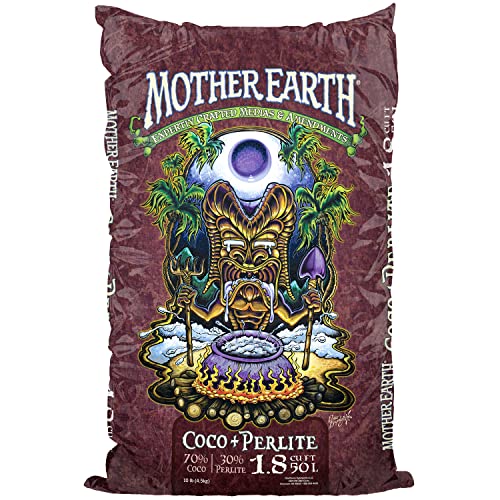
Mother Earth’s Coco + Perlite uses a 70/30 ratio to balance aeration and moisture control, aiming to resist compaction and extend container life. The media is suited for indoor and outdoor containers, with an emphasis on durability and stable structure. The formula supports robust root systems by promoting air exchange and reducing the likelihood of root rot in humid environments.
Nutrifield Coco Coir Perlite Mix 50 Liter

A large-volume version of Nutrifield’s coco-perlite mix, this 50 L bag maintains the same 70/30 balance with pre-buffered calcium. It is designed for bigger grows, including hydroponic setups or multiple containers. The buffering and rinsing reduce salt content and help stabilize pH, aiding consistent nutrient availability. The product aims to deliver reliable performance across extended grow cycles and varying plant densities.
Buying Guide: Coco Coir Perlite Mixes
Key purchase considerations help compare these products for different growing situations. The following points cover multiple perspectives to support an objective choice.
- Ratio and structure: A 70/30 coir-to-perlite blend provides a good balance of moisture retention and drainage. Higher perlite contents improve aeration but reduce water-holding capacity; higher coir content retains moisture but may compact if not supplemented with perlite.
- Buffering and salt content: Pre-buffered mixes reduce salt buildup and help stabilize pH. For sensitive nutrient programs, buffering can simplify feeding schedules and protect young roots from osmotic stress.
- Buffering vs. ready-to-use: Some mixes are ready to use straight from the bag, while others benefit from pre-wetting or rinsing. Consider your container size and whether you want to optimize setup speed or tailor-to-soil moisture.
- Volume and cost efficiency: Larger bags (like 50 L) lower per-unit cost and are suitable for larger gardens. For small-space growers, smaller bags (10 L or 10 qt) provide flexibility and reduced storage needs.
- Application versatility: These mixes are compatible with hydroponic systems, seed starting, container plants, and raised beds. Some brands emphasize quick rooting and robust propagation, while others focus on long-term stability in containers.
- Material quality and sourcing: Look for high-quality coco coir with consistent fiber content and minimal dust. Perlite quality affects drainage and aeration; ensure the blend uses appropriately sized perlite for root access to air.
- Brand reputation and certifications: Certifications (like RHP) and manufacturer track records can indicate consistent quality across batches and ease of troubleshooting during growth cycles.
When choosing a coco coir and perlite mix, align your selection with plant type, climate, and grow method. For example, container gardeners in humid environments may favor mixes with strong drainage and buffering, while hydroponic setups may prioritize rapid drainage and uniform particle size. Always monitor moisture and EC levels after transplanting to ensure the substrate maintains the intended nutrient balance.