Choosing the right chili seeds can transform you into a reliable harvest of spicy peppers for sauces, salsas, drying, or fresh eating. The following selections balance heat, flavor, germination reliability, and growing conditions for American gardeners. Each option includes notes on suitability for containers, indoor starts, and outdoor beds so you can plan a peppers program that fits your space and climate.
| Product | Brand | Heat (SHU) | Best For |
|---|---|---|---|
| The Thai Chili Pepper Seeds | SURVIVAL GARDEN SEEDS | 50,000–100,000 | Compact plants, containers, high yields |
| KVITER Birds Eye Chili Pepper Seeds | KVITER | 50,000–100,000 | Patio pots, high-yield bush |
| Cayenne Pepper Seeds | SURVIVAL GARDEN SEEDS | 30,000–50,000 | Drying, sauces, bold seasoning |
| Hatch Green Medium Chile Seeds | Sandia Seed | Green chile strength (mild to medium heat) | New Mexico green chile flavor |
| Mexican Serrano Pepper Seeds | SURVIVAL GARDEN SEEDS | 10,000–25,000 | Salsa, hot sauces, fresh peppers |
The list below focuses on varieties that perform well in American gardens, with options suitable for small spaces, indoor starting, and long storage. Each section provides practical growing notes to help you compare options quickly and plan your pepper garden with confidence.
Thai Chili Pepper Seeds For Planting

The Thai Chili Pepper Seeds from SURVIVAL GARDEN SEEDS deliver a hot, heirloom variety with 50,000–100,000 SHU. The plants are described as compact, making them well-suited for container gardening or small raised beds. Germination is expected in 7–14 days, and growers can anticipate a 95–130 day harvest window after transplanting outdoors post-frost. Ideal for cooks who want robust heat and prolific yields in a limited space, these seeds offer a reliable option for spice lovers and survival-focused gardeners alike.
Hot Pepper Seeds Variety Pack By Sustainable Sprout

This 7-seed variety pack from Sustainable Sprout includes Cayenne, Anaheim, Jalapeño, Hungarian Wax, Habanero, Serrano, and Poblano. It emphasizes high germination rates and long-term storage viability, with a focus on versatile hot peppers for year-round cooking. The pack is designed for beginners and seasoned gardeners alike, offering a broad palette of heat levels and flavors to accompany a wide range of dishes. The product highlights robust germination and storage resilience, useful for prepping or long-term seed vaults.
KVITER Birds Eye Chili Pepper Seeds
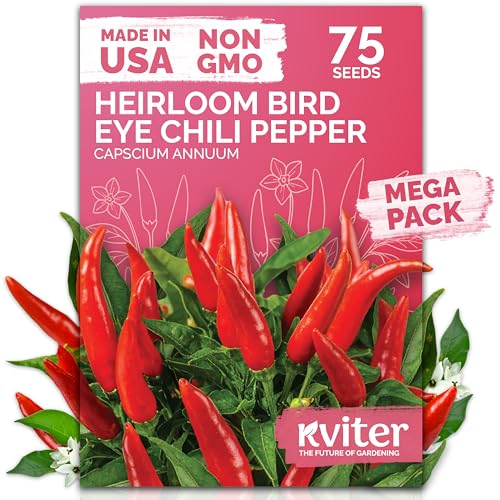
KVITER’s Birds Eye Chili Pepper Seeds are designed for speed and high yield. Germination typically occurs in 7–14 days at 75–85°F, with plants reaching 12–18 inches in height and spread, making them well-suited for pots, raised beds, or compact gardens. The peppers deliver a fiery heat profile consistent with Thai chilies and can be used fresh or dried. This variety is ideal for gardeners seeking a reliable, compact plant with abundant fruiting potential and intense flavor.
Cayenne Pepper Seeds For Planting
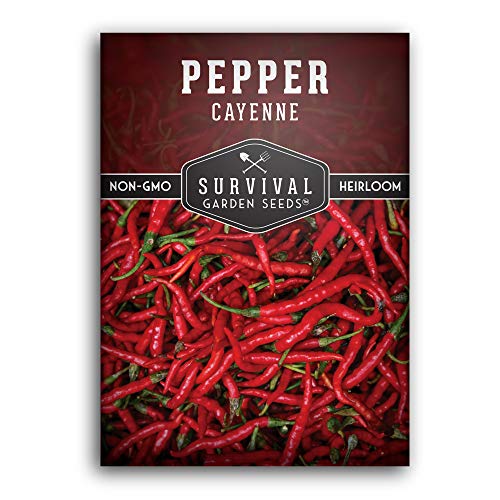
Survival Garden Seeds’ Cayenne Pepper Seeds offer classic heat with 30,000–50,000 Scoville units. The plants are high-yielding, producing slender 5–6 inch fruits ideal for drying and sauces. They mature relatively quickly at 70–85 days and perform well in full sun with moderate watering, adaptable from zones 4–11. This option is suitable for gardeners who want a dependable workhorse pepper for preservation and bold seasoning.
Mexican Serrano Pepper Seeds

Survival Garden Seeds’ Mexican Serrano Pepper Seeds produce 3–4 inch fruits with 10,000–25,000 SHU. These plants mature in about 75–90 days and perform well in full sun across USDA zones 4–11. Serranos are versatile for sauces, salsas, pickling, and fresh peppers. This variety is notable for moderate heat coupled with bright, clean flavors that work well in a diverse range of hot pepper recipes.
Buying Guide: Key Purchase Considerations For Chili Seeds
- Heat level and flavor: Identify whether you want mild, medium, or hot peppers, and whether you prefer fruity, smoky, or bright flavors for specific dishes.
- Growing space and plant size: For container gardens or balconies, prioritize compact or determinate varieties. For raised beds, consider bush or semi-determinate types with manageable spread.
- Germination rate and seed shelf life: Look for high germination percentages and seeds designed for long-term storage if you’re building a seed vault or prepping for emergencies.
- Climate compatibility: Choose peppers that thrive in your USDA zone and sunlight pattern. Some varieties perform best with longer days and consistent watering; others tolerate drier or cooler seasons.
- Indoor vs. outdoor starting: If starting indoors, select seeds labeled for indoor germination. Plan transplant timing to avoid frost and give plants a strong start in outdoor beds or containers.
- Storage and handling: Peppers require proper drying or freezing if you plan to preserve. Some seeds come with backup guides or supplementary materials for cultivation and culinary uses.
- Non-GMO and organic considerations: For gardeners prioritizing organic cultivation, check seed certifications and storage guidelines to ensure seed integrity over multiple seasons.
- Storage space and longevity: Keep seeds in a cool, dry place. If you buy a mixed pack, organize by variety to optimize rotation and planning for successive sowings.
- Culinary versatility: Some peppers excel in sauces, others in salsas or drying. Align your seed choices with your intended preserves and cooking plans.
In selecting chili seeds, consider your space, climate, and culinary goals. A well-rounded lineup can provide fresh peppers across seasons, with options for drying, pickling, and immediate cooking needs. The varieties listed here offer a balance of heat intensity, plant size, and germination reliability to help American gardeners establish a dependable chili pepper harvest.