Copper-based algaecides and chelated copper supplements are popular tools for maintaining clear, healthy ponds. This article highlights five credible options that are commonly used by pond enthusiasts and professionals. The list focuses on products with chelated copper or copper-based formulations designed to control algae while minimizing harm to fish when used as directed. Always follow label instructions and test water parameters before and after treatment.
Summary of chosen products
| Product | Brand | Type | Primary Use | Notes |
|---|---|---|---|---|
| Cutrine-Plus Aquatic Algaecide | APPLIED BIOCHEMISTS | Liquid algaecide | Active algae control for ponds, lakes, reservoirs | EPA-approved; fast-acting |
| Crystal Plex – Lake and Pond Algaecide Treatment | Crystal Blue | Liquid copper algaecide | Algae control for lakes and ponds | Broad spectrum; general pond use |
| Crystal Blue Copper Sulfate Algaecide (5 Pounds) | Crystal Blue | Copper sulfate granular | Algae suppression in larger water bodies | Be mindful of vegetation and oxygen impact |
| In The Swim Super Algaecide (Pool) | In The Swim | Copper-based algaecide | Algae prevention in pools; applicable to water features | High concentration; handle with care |
| Greenway Biotech Chelated Copper EDTA Fertilizer | Greenway Biotech, Inc. | Chelated copper fertilizer | Plant growth support in hydroponics/soil | Not pond-specific; use as plant nutrient in water features with caution |
Cutrine-Plus Aquatic Algaecide
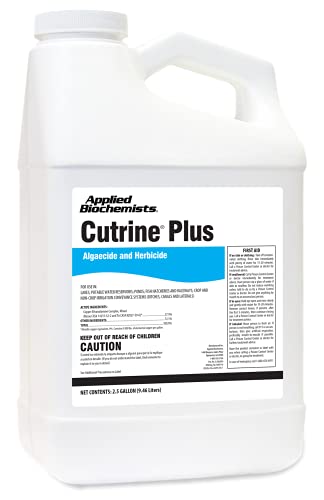
Cutrine-Plus is a fast-acting copper-based algaecide formulated for aquatic use in ponds, lakes, and reservoirs. It targets planktonic and filamentous algae and is widely used by professionals for water clarity. The product is designed to be quick-acting, with visible reductions in algae growth typically within 1–2 days when applied according to label directions. It is EPA-approved and emphasizes safe use around wildlife; however, users should avoid applying to copper-sensitive fish populations and monitor dissolved oxygen levels during treatment. When treating large algal blooms, apply gradually to prevent rapid oxygen depletion and to maintain a stable aquatic environment for fish and beneficial organisms.
Crystal Plex – Lake And Pond Algaecide Treatment

Crystal Plex is a liquid copper algaecide designed for lake and pond applications. It targets a range of algae types to help restore water clarity and balance. The product is promoted as safe for humans, animals, and typical pond life when used as directed, but it cautions against use in certain fish populations like koi or trout ponds and recommends adherence to dosage guidelines. For best results, apply during periods of active algae growth and follow water testing recommendations to prevent over-treatment and minimize stress on aquatic life.
Crystal Blue Copper Sulfate Algaecide (5 Pounds)

This granular copper sulfate algaecide is designed for larger water bodies and is a common option for bulk pond applications. It targets a broad spectrum of algae but requires careful handling to avoid depleting oxygen or harming aquatic plants if applied excessively. It’s particularly suited for active algae management in ponds with larger surface areas or where rapid algae suppression is needed. Always apply gradually in sections and monitor water quality parameters such as dissolved oxygen and pH during treatment.
In The Swim Super Algaecide (Pool)
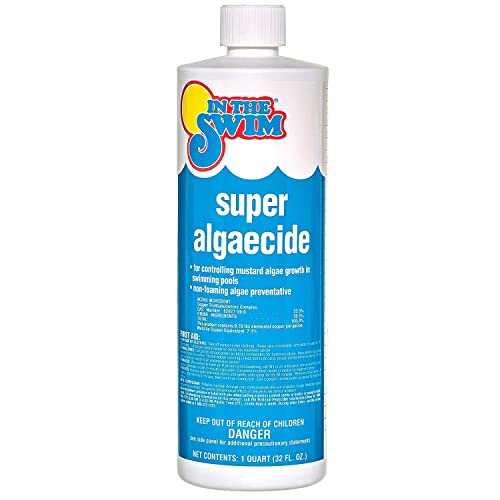
In The Swim’s algaecide for pools is a copper-based formulation designed for preventing and treating yellow and mustard algae. While primarily marketed for swimming pools, some pond owners consider it for water features with caution, given the presence of copper and chelated copper components. If using this product for a pond, apply according to the label, avoid over-treating, and ensure the treatment will not adversely affect fish or beneficial microorganisms. It is priced for maintenance and prevention with clear dosing guidance.
Greenway Biotech Chelated Copper EDTA Fertilizer

Greenway Biotech’s chelated copper EDTA fertilizer is a plant micronutrient supplement intended for hydroponics and soil applications. While primarily marketed for plant growth, chelated copper can be a component of water feature maintenance when used as part of a broader fertilization strategy for aquatic plants. This product is 100% water-soluble and contains 14% copper. Use in accordance with plant- or water-feature guidelines, and ensure compatibility with pond inhabitants and existing pond chemistry. It is not a dedicated pond algaecide, but it provides copper in a chelated form that some pond managers may consider for plant health.
Buying Guide: Key Purchase Considerations For Chelated Copper In Ponds
When selecting copper-based products for pond management, consider the following factors to align with pond size, fish compatibility, and algae species present.
- Target algae types: Different products combat planktonic, filamentous, and chara algae with varying effectiveness. Identify the predominant algae in your pond before choosing a product.
- Formulation and release: Liquid copper algaecides provide fast action and easier distribution in water but require careful dosing. Granular copper sulfate is often used for larger bodies but should be applied gradually.
- Pond size and water conditions: Large ponds or water bodies with high organic load may require higher dosing or repeated applications. Always follow label directions for concentration limits and intervals.
- Oxygen and fish safety: Copper-based treatments can affect oxygen levels and certain fish species. Monitor dissolved oxygen and avoid treating during stressful weather or low-oxygen periods.
- Plant life and beneficial organisms: Some copper products can harm aquatic plants and beneficial microbes. Assess the impact on plant health and algae-eating organisms before application.
- Maintenance vs. prevention: Use preventative copper-based products for regular maintenance, and reserve curative applications for active algal blooms to reduce stress on the ecosystem.
- Regulatory and water-use considerations: In some regions, copper use in irrigation or water features may be restricted. Check local guidelines and ensure safe runoff management.
- Fish safety and sensitivity: Copper sensitivity varies among fish species. If your pond houses sensitive species (like koi or certain trout), consult a pond specialist and conduct small, incremental treatments with close monitoring.
- Water testing: Regularly test pH, hardness, alkalinity, and copper concentration where feasible. Adjust dosage based on water chemistry to prevent toxicity.
- Alternatives and integration: Consider non-copper options (mechanical removal, shading, barley straw, beneficial bacteria) to reduce algae load and complement copper-based approaches.
In sum, the best choice depends on your pond’s specific algae profile, fish population, and water chemistry. The products listed above represent a mix of professionally used algaecides and chelated copper options commonly found in pond management arsenals. Always apply according to label instructions, perform water tests, and monitor aquatic life after treatment to maintain a healthy pond ecosystem.