When choosing affordable wood for raised beds, look for sturdy construction, good drainage, and long-lasting materials. The following options are designed to be budget-friendly while delivering solid performance for hobby and home gardeners. This guide highlights five practical picks, ideal for beginners, budget-conscious gardeners, and urban growers who want quick setup and reliable results.
Summary table of selected products (quick reference):
- VIVOSUN Elevated Wooden Raised Garden Bed — Deep, sturdy fir wood, 220 lb capacity, pre-drilled drainage.
- Yaheetech 8×4 ft Wooden Horticulture Raised Bed — Divisible design, durable single-piece construction, open-base for drainage.
- Yaheetech 8×2 ft Wooden Horticulture Raised Bed — Flexible DIY layout, upgraded slotting for modular expansion.
- Giantex Wooden Raised Garden Bed — Large 48×24 inch space, natural fir wood, open-ended design for root health.
SPECRAFT 8×4 Ft Wood Raised Garden Bed — Open-base, generous depth, quick assembly.
VIVOSUN Elevated Wooden Raised Garden Bed

Features: Spacious 48.6″ L x 24″ W x 30″ H; 220 lb weight capacity; pre-drilled drainage holes; durable fir wood; weather-resistant construction to prevent sagging.
Best for: Gardeners who want a deep, high-capacity bed for root-heavy vegetables or herbs in patios, balconies, or backyards. The height is well-suited for easy access without bending excessively.
Why this pick: It combines generous depth with a robust frame and built-in drainage, which helps maintain soil moisture and root health in variable conditions. The bed’s fir wood provides a natural look for outdoor spaces and can withstand typical weather in many American climates.
Caution: Pre-drilled drainage helps prevent waterlogging, but ensure proper drainage away from walls or surfaces to avoid prolonged moisture exposure to surrounding areas.
Yaheetech 8×4 Ft Wooden Horticulture Raised Garden Bed
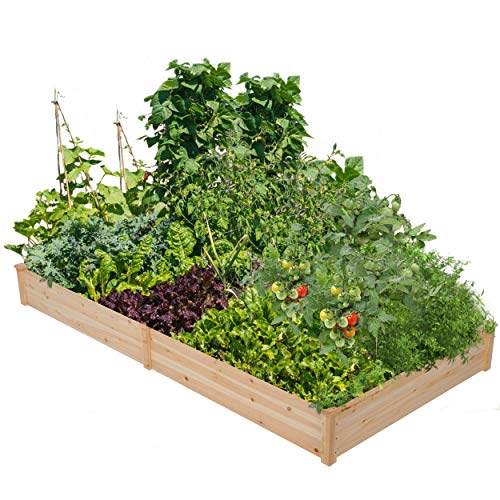
Features: Divisible design allowing two growing areas; 8×4 feet footprint; natural pine wood with transparent anticorrosion paint; solid construction with leg support for year-round use.
Best for: Gardeners who want flexible planting configurations and the option to separate plants or create combined sections as needed. Also suitable for outdoor spaces where soil health and drainage matter.
Why this pick: The divisible design and leg-supported frame make it adaptable for different plant types and layouts while keeping a simple assembly process. The pine wood with a protective coating adds durability in outdoor exposure.
Caution: Assembly may be slower compared to simpler boxes due to the number of parts; use a drill for faster, more secure construction.
Yaheetech 8×2 Ft Wooden Horticulture Raised Bed Divisible

Features: Divisible two-column design with removable divider; suitable for vegetables, herbs, or flowers; durable pine wood with a protective finish; straightforward assembly with emphasized stability.
Best for: Home gardeners who want to optimize space by stacking or arranging beds in tight yards, balconies, or patios. Good for experimenting with companion planting or crop rotation in a compact footprint.
Why this pick: The two-section design supports diverse plant strategies and makes it easier to manage different soil types or moisture needs within a single footprint. The robust wood provides a stable base for heavier crops.
Caution: The modular design means more connection points; ensure all fasteners are tight to prevent wobble over time.
SPECRAFT 8×4 Ft Wood Raised Garden Bed

Features: Open-base design for drainage; large 44 cubic feet planting space with about 1.5 feet depth; mortise and tenon structure with a central divider for organization; quick, tool-free assembly.
Best for: Gardeners who want maximum soil volume in a wood bed with reliable drainage and a straightforward build process. Suitable for vegetables, herbs, and flowers in larger outdoor spaces.
Why this pick: The open-base design promotes airflow and drainage, supporting healthy root systems. Its depth and width provide abundant growing area, making it a versatile choice for a variety of crops.
Caution: The absence of paint or stain means you may want to seal or treat the wood if you live in a very wet climate to extend longevity.
Buying Guide: Key Considerations For Cheap Wood Raised Beds
What size should I choose for my space?
- Small patios: Consider beds around 4×2 feet or 4×4 feet to maximize planting area while fitting through doors or gates.
- Medium yards: A 4×8 feet bed provides ample space for diverse crops and easier access from all sides.
- Height matters for comfort: Elevated beds around 24 to 30 inches reduce bending and back strain but may require deeper soil or liners for stability.
What wood type is most cost-effective and durable?
- Fir and pine are common in budget-friendly beds. They offer decent strength for raised beds and natural appeal, especially when properly finished or treated for outdoor use.
- Untreated wood is safe for contact with soil but may require staining or sealing in damp climates to prolong life.
How important is drainage?
- Open-base or pre-drilled drainage designs help prevent waterlogging and root rot. If your site retains moisture, prioritize beds with drainage features or plan for drainage holes.
Is assembly or modular design a deciding factor?
- Divisible or modular beds offer layout flexibility, allowing you to adapt to space constraints or to rotate crops easily.
- Single-piece beds tend to be quicker to assemble and may be sturdier for heavier crops in certain conditions.
What maintenance is required?
- Regular checks on screws, joints, and supports help maintain stability. If using untreated wood, consider sealing or staining every couple of seasons to extend lifespan.
- Soil depth: Deeper beds improve root development for root crops like carrots and potatoes and reduce the risk of root crowding.
How do I choose between bed depth and plant types?
- Shallow beds (8-12 inches) suit greens, herbs, and shallow-root crops. Deeper beds (12-30 inches) accommodate tomatoes, carrots, peppers, and root vegetables.
- For mixed planting, a deeper bed with a good drainage plan provides more versatility and longer growing seasons.
Frequently Asked Questions
- Are wooden raised beds durable for outdoor use? Yes, when constructed with sturdy wood and appropriate drainage, they hold up well in many climates, though untreated wood may require sealing in wet areas.
- What height is best for maintenance-free gardening? Beds around 24-30 inches offer comfortable access for most gardeners and reduce bending, while still enabling ample soil depth.
- Should I treat the wood? Treating with a water-based sealant or stain designed for outdoor use can extend life, especially in humid or rainy regions.
- Is it better to buy a modular bed or a fixed bed? Modular beds offer layout flexibility and easy expansion; fixed beds tend to be quicker to assemble and can be very sturdy for heavier crops.
- What plants are best for raised beds? Leafy greens, herbs, tomatoes, peppers, beans, carrots, and strawberries are commonly grown in raised beds due to improved soil quality and drainage.
- Do these beds require liners? Liners help when soil is prone to erosion or when growing water-loving plants; some beds include bed liners or can be paired with standard liners.